 The Marketer
Pay-per-click (PPC) advertising is one of the fastest ways to generate traffic, leads, and sales. Platforms like Google Ads, Microsoft Ads, and social media advertising give businesses the ability to target highly specific audiences and measure results in real time.
But there’s a catch: without the right strategy, PPC can quickly turn into a budget black hole. Many advertisers—especially small businesses and startups—make common mistakes that waste clicks, inflate costs, and deliver poor ROI.
If you’ve ever felt like your PPC campaigns aren’t performing as they should, you’re not alone. Let’s break down the most frequent PPC mistakes that drain budgets—and how to fix them.
Mistake 1: Targeting Too Broadly
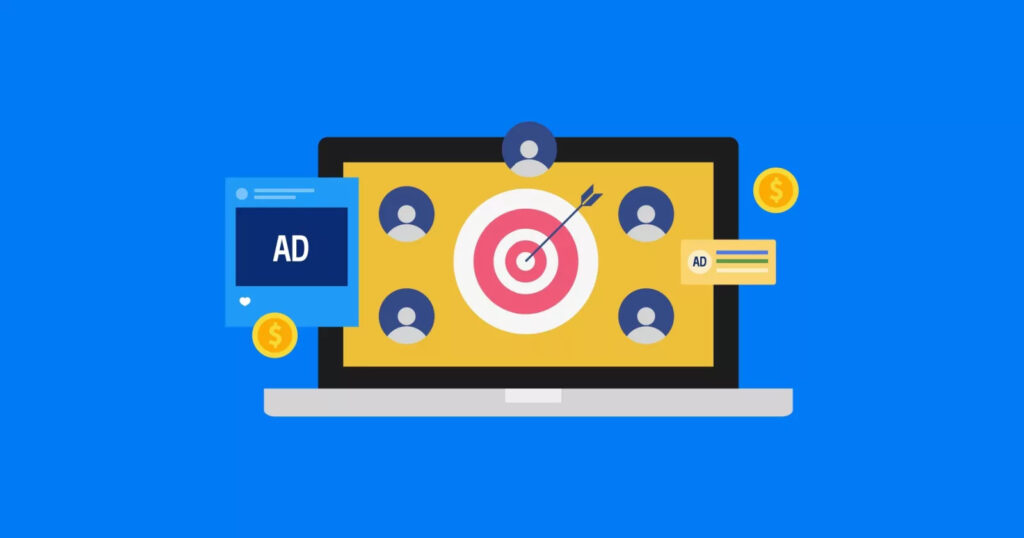
One of the biggest PPC errors is casting too wide a net. Broad targeting might give you more impressions, but it also means you’re paying for clicks from people who are unlikely to convert.
For example, running ads for “shoes” when you sell only “women’s running shoes” means your ad will appear for irrelevant searches. Those clicks cost money, but they don’t bring you sales.
Fix: Use long-tail keywords, phrase match, and exact match targeting to ensure you’re attracting the right traffic. Layer in demographic filters, device targeting, and geolocation to tighten relevance.
Mistake 2: Ignoring Negative Keywords
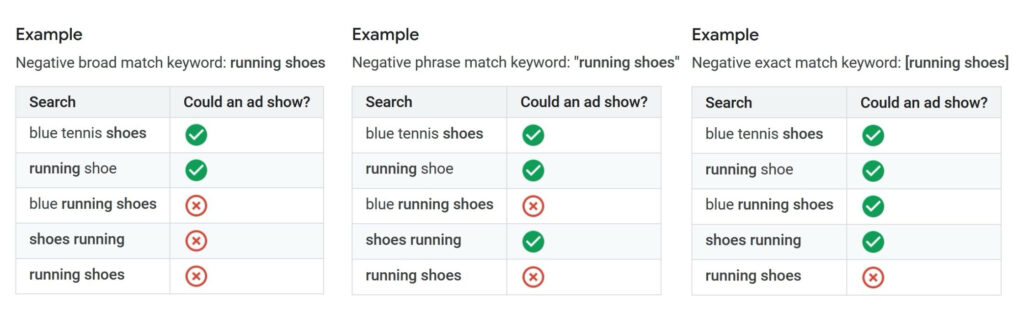
Too many advertisers overlook negative keywords, which filter out irrelevant search queries. Without them, your ads may appear for terms that waste your spend.
For instance, if you’re selling luxury handbags, you don’t want to pay for clicks from people searching “cheap handbags.”
Fix: Build a strong negative keyword list and update it regularly. This keeps your ads focused and ensures you’re paying only for traffic that’s actually interested.
Mistake 3: Poor Ad Copy That Fails to Attract Clicks
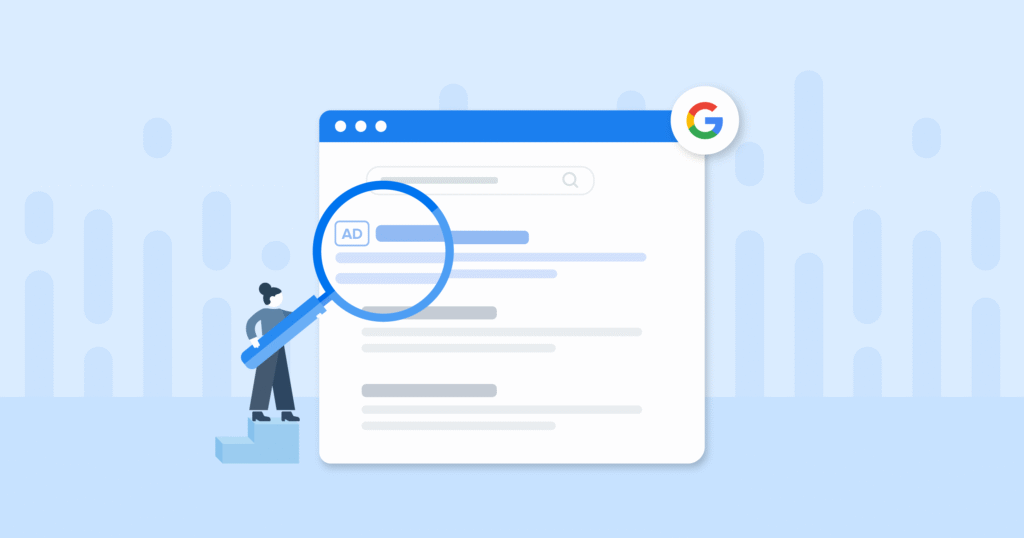
Even with the best targeting, bad ad copy will sink your campaign. Weak headlines, unclear calls to action, or generic descriptions result in low click-through rates (CTR), which drives up your cost per click (CPC).
Fix: Write ad copy that speaks directly to your audience’s needs. Highlight benefits, use strong action verbs, and test different variations. For example, instead of “Buy Shoes Online,” try “Shop Women’s Running Shoes – Free 2-Day Delivery.”
Mistake 4: Not Optimizing Landing Pages
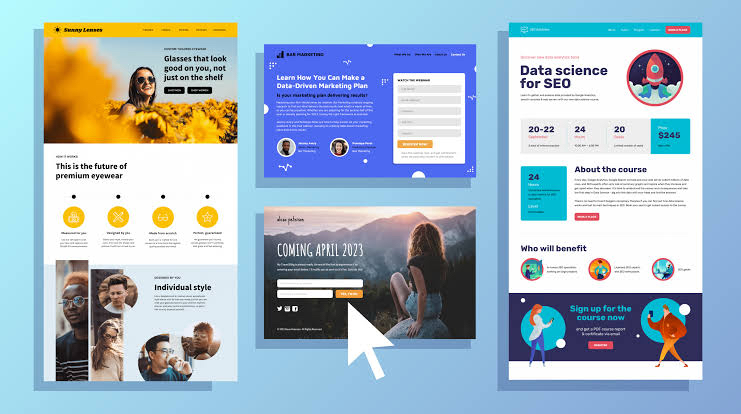
Driving traffic to the wrong landing page is like inviting guests to a party and forgetting to unlock the door. If your ads send people to a generic homepage or a slow-loading site, you’ll lose them instantly.
Fix: Create dedicated landing pages for each campaign. Keep the messaging consistent with your ad, ensure fast load times, and make conversion easy (clear CTA buttons, simple forms, mobile-friendly design).
Mistake 5: Setting and Forgetting Campaigns
PPC is not a “set it and forget it” strategy. Markets change, competitors adjust bids, and user behavior evolves. If you’re not monitoring performance, your budget could drain while you sleep.
Fix: Review campaigns weekly at a minimum. Track CTR, conversion rates, and quality scores. Adjust bids, pause underperforming ads, and scale what’s working.
Mistake 6: Ignoring Quality Score
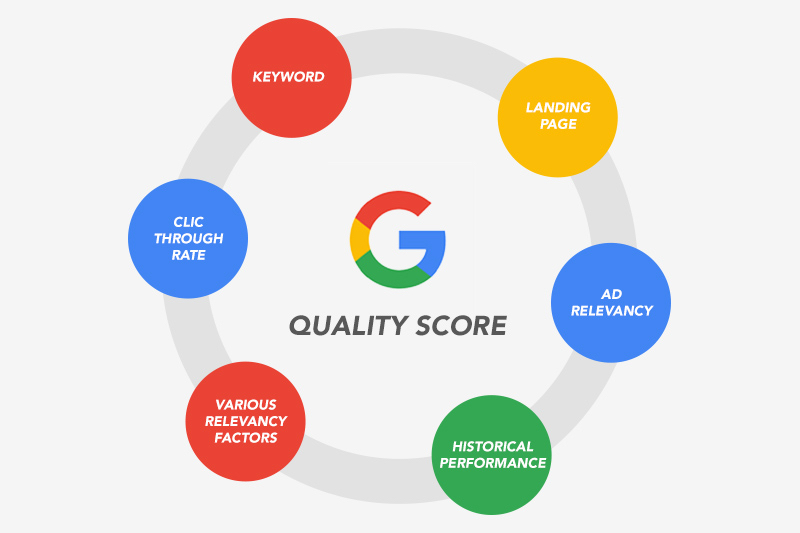
Google Ads uses Quality Score (based on CTR, ad relevance, and landing page experience) to determine your ad rank and CPC. A low score means you’ll pay more for clicks—even if your competitors are bidding the same amount.
Fix: Improve relevance at every step. Align keywords with ad copy, use compelling CTAs, and ensure your landing page delivers exactly what the user expects.
Mistake 7: Not Using Conversion Tracking
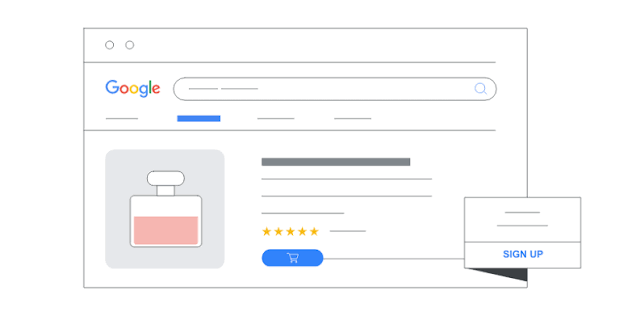
Without conversion tracking, you’re essentially flying blind. Many advertisers measure clicks but fail to track what happens after the click—whether it’s a purchase, signup, or lead submission.
Fix: Set up proper conversion tracking in Google Ads, GA4, or your CRM. This lets you see which campaigns are profitable and which are draining your budget.
Mistake 8: Overbidding on Competitive Keywords
It’s tempting to bid aggressively on high-volume keywords like “insurance” or “lawyer,” but these terms can cost upwards of $50–$100 per click in some markets. Unless you have a big budget and strong conversion funnel, you’ll struggle to make ROI.
Fix: Focus on niche, intent-driven keywords. Instead of “lawyer,” try “family lawyer in Singapore” or “divorce lawyer free consultation.” Lower CPC, higher intent.
Mistake 9: Not Leveraging Ad Extensions
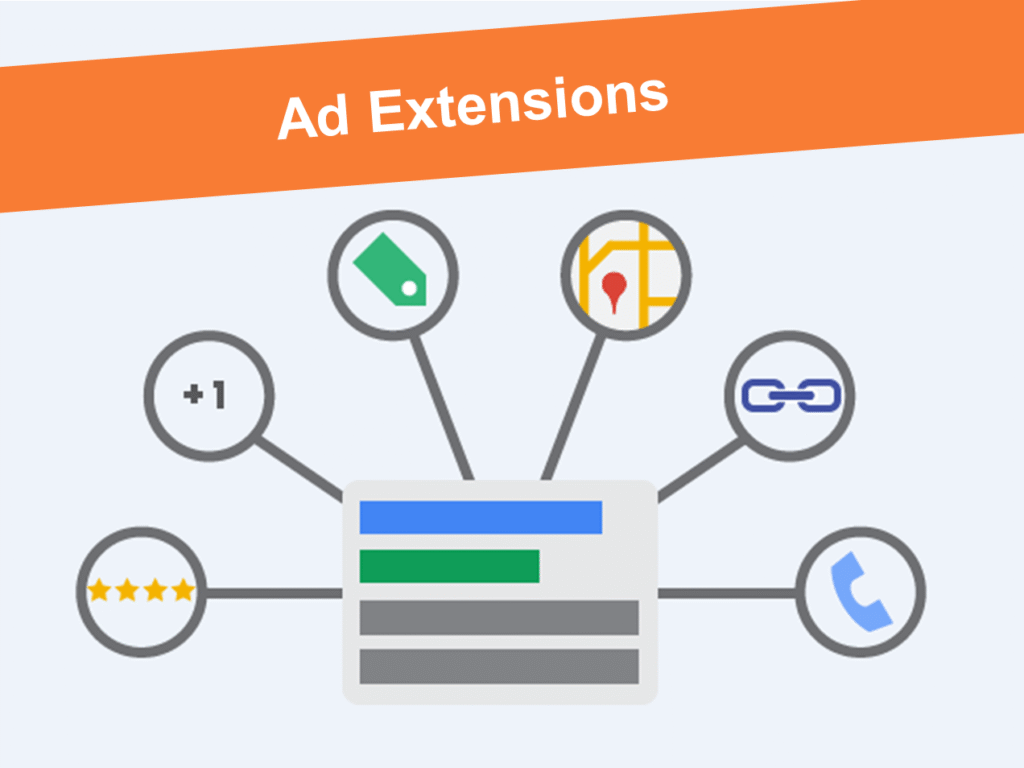
Ad extensions (like site links, call buttons, location info, and promotions) increase visibility and boost CTR. Failing to use them means you’re leaving valuable real estate—and potential clicks—on the table.
Fix: Enable all relevant extensions in your campaigns. They’re free to add and can significantly improve ad performance.
Mistake 10: Treating All Platforms the Same
Running identical campaigns on Google, Facebook, and TikTok is a mistake. Each platform has unique user behaviors, ad formats, and targeting options. A strategy that works on Google may flop on TikTok.
Fix: Customize campaigns for each platform. For Google Ads, focus on search intent. For Facebook, leverage audience segmentation. For TikTok, prioritize engaging video creative.
Mistake 11: Neglecting Mobile Optimization
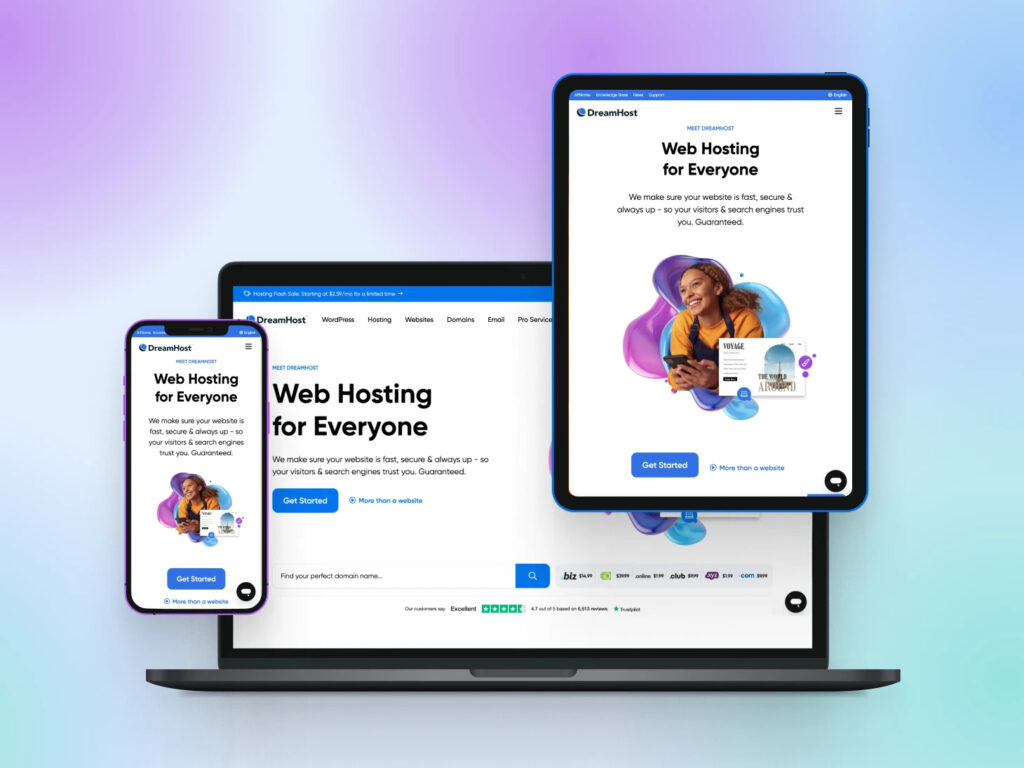
Most clicks today come from mobile devices. If your landing page isn’t mobile-friendly, your bounce rates will skyrocket and conversions will vanish.
Fix: Design ads and landing pages with a mobile-first mindset. Test load times, button sizes, and form fields to ensure smooth mobile experiences.
Mistake 12: Focusing on Vanity Metrics
Clicks and impressions are nice, but they don’t pay the bills. Too many advertisers chase vanity metrics without focusing on what truly matters: conversions and ROI.
Fix: Define clear goals before running campaigns. Optimize for sales, leads, or sign-ups, not just traffic. Measure cost per acquisition (CPA) and lifetime value (LTV) to evaluate success.
Mistake 13: Ignoring Retargeting Opportunities
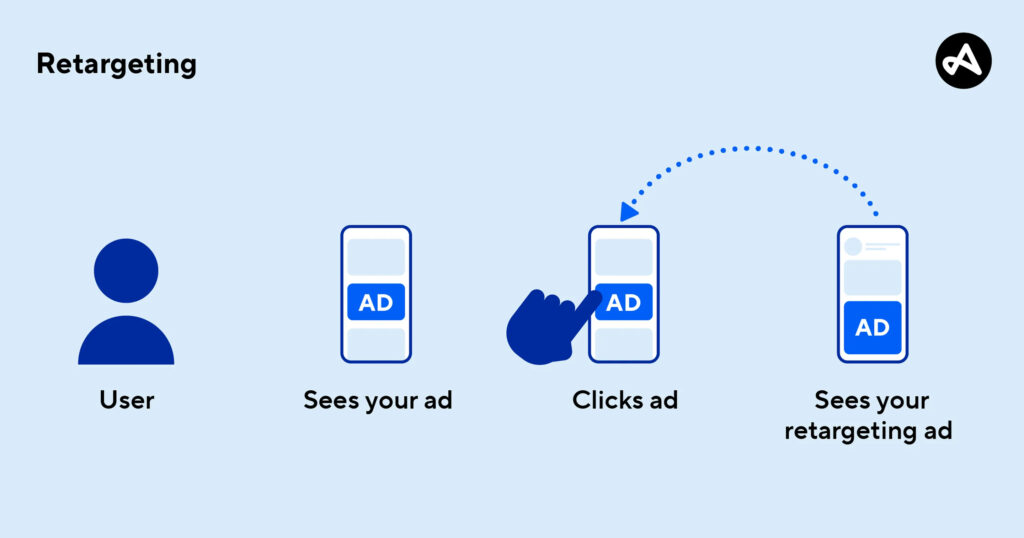
Not every visitor will convert on the first click. If you’re not retargeting, you’re leaving money on the table.
Fix: Set up retargeting campaigns to re-engage past visitors. Use dynamic product ads, special offers, or reminders to bring them back. Retargeting typically delivers some of the highest ROI in PPC.
Final Thoughts: Smarter PPC Means Smarter Spend
PPC is a powerful tool, but it’s also unforgiving. A few wrong settings or overlooked details can burn through your budget without delivering meaningful results. By avoiding these common mistakes—like broad targeting, weak landing pages, or neglecting negative keywords—you’ll ensure every dollar works harder for you.
Think of PPC like a high-performance car: it can take you far and fast, but only if you know how to steer. Audit your campaigns regularly, track conversions closely, and always align ads with real business goals. That’s how you transform PPC from a budget drain into a revenue engine.
