 The Marketer
In the past decade, marketing has evolved at a dizzying pace. Automation, personalisation, influencer marketing, and AI-driven targeting have allowed brands to reach consumers more efficiently than ever before. Yet paradoxically, as marketing becomes more advanced, consumers are engaging less.
Amid this oversaturated digital environment, a quiet movement is gaining traction among the world’s most forward-thinking brands: the era of “less marketing.” It’s not about abandoning promotion—it’s about embracing restraint, authenticity, and value-led communication.
In 2025, the brands that will stand out are not those that shout the loudest, but those that choose their words carefully—and sometimes, say nothing at all.
The Decline of Overexposure
The modern consumer is constantly surrounded by marketing stimuli. Studies suggest that people encounter up to 10,000 branded messages a day, from digital banners to influencer mentions. Instead of creating stronger engagement, this constant bombardment has led to what psychologists call persuasion fatigue—a state in which audiences subconsciously tune out commercial messaging.
This is not simply about ad blockers or low click-through rates. It’s a broader cultural shift in attention and trust. Consumers—especially Gen Z and Gen Alpha—are not rejecting marketing per se; they’re rejecting over-marketing.
As a result, they’re gravitating toward brands that offer simplicity, clarity, and meaning—brands that communicate less, but with far greater intention.
The Case for “Less”
Minimalist marketing is not a withdrawal; it’s a recalibration. It represents a conscious shift from volume-driven visibility to value-driven resonance.
1. Less Noise, More Clarity
When every brand competes for attention in the same digital spaces, differentiation becomes a challenge. Brands that communicate less often—but with purpose—naturally stand out. In this sense, silence can become a strategic differentiator.
Bottega Veneta demonstrated this in 2021 by deleting all its social media accounts. The move was unexpected, but it reinforced the brand’s image of quiet confidence and exclusivity. Instead of losing relevance, Bottega generated conversation—and prestige.
2. Restraint Builds Trust

Constant self-promotion breeds skepticism. Today’s consumers value transparency and consistency over aggressive persuasion. By reducing marketing frequency and focusing on authenticity, brands can rebuild trust.
Patagonia’s “Don’t Buy This Jacket” campaign is a classic example. The message encouraged conscious consumption rather than sales—but ultimately strengthened brand loyalty. The campaign succeeded because it aligned with Patagonia’s core values rather than contradicting them.
3. Quality Over Quantity
Algorithms reward consistency, but audiences reward quality. Brands that post less frequently but deliver richer, more thoughtful content often achieve higher engagement per impression. This principle applies across platforms—from LinkedIn thought leadership to YouTube storytelling.
The Cultural Forces Behind the Shift
Several macro trends are fueling the move toward quieter, more meaningful marketing strategies.
The Maturity of Digital Consumers
Audiences have become deeply aware of marketing mechanics. They understand sponsored content, influencer deals, and retargeting pixels. The result? A more discerning consumer who prefers authenticity over optimisation.
The Saturation of AI-Generated Content
AI has made it easier than ever to create copy, visuals, and campaigns at scale. But it’s also made content homogeneous. As generative tools flood feeds with similar-looking ads and scripts, human creativity—and human restraint—have become the new luxury.
The Demand for Meaningful Brands
Purpose-driven marketing is no longer a trend; it’s an expectation. A growing number of consumers, particularly in Asia and Europe, expect brands to stand for something beyond profit. “Less marketing” aligns with this mindset by prioritising substance over spin.
Minimalism as a Competitive Advantage

The world’s most enduring brands have long understood the power of understatement.
- Apple has built a global identity on simplicity. Its campaigns rarely oversell features; instead, they focus on design, usability, and emotion.
- Muji rejects logos altogether, positioning itself as “brandless.” Its minimalist aesthetic has become synonymous with calm, honest living—a concept that resonates in a noisy, hyper-commercial world.
- Aesop communicates through design and storytelling rather than overt advertising. Every touchpoint—from store architecture to typography—feels deliberate, understated, and aligned with its intellectual brand image.
Each of these brands has demonstrated that marketing restraint can amplify desirability.
What “Less Marketing” Looks Like in Practice
A less-is-more approach doesn’t mean silence; it means precision. Here’s how the concept is manifesting across modern marketing strategies:
1. Purpose-Led Storytelling
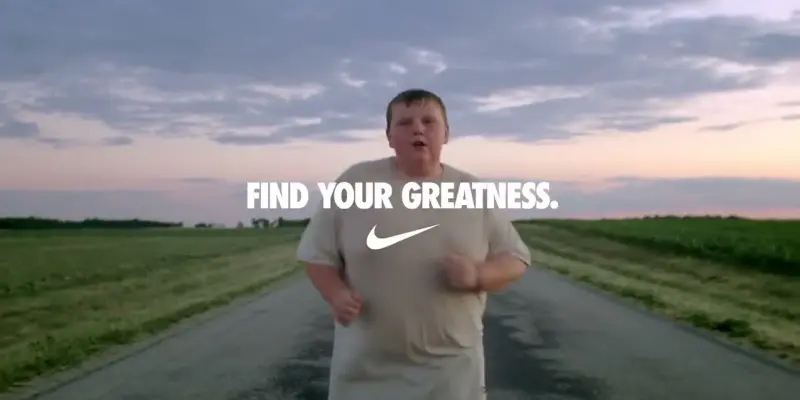
Rather than releasing a constant stream of content, brands are focusing on fewer, higher-impact narratives that reinforce long-term positioning. Nike’s recent campaigns, for example, have moved toward broader cultural commentary—less about the product, more about the message.
2. Community Over Reach
The emphasis is shifting from scale to intimacy. Instead of chasing massive audiences, brands are investing in niche communities that drive advocacy and organic growth. Discord groups, private forums, and curated events now often outperform public ads in driving loyalty.
3. Value-Based Silence
Sometimes, choosing not to participate in every trend or campaign can itself be strategic. Brands that avoid overexposure preserve a sense of mystery and exclusivity—a principle long mastered by the luxury sector.
From Marketing to Meaning
The next phase of marketing maturity involves rethinking the function of the discipline itself. Traditional marketing aimed to persuade; contemporary marketing aims to connect. The next era will aim to create meaning.
In this future, marketers will act less like promoters and more like curators of experience and value. The goal is not to fill every channel, but to make every interaction matter.
This mindset requires a new set of KPIs. Instead of measuring clicks, impressions, and open rates, the focus will shift to metrics like brand sentiment, emotional recall, and community retention. These indicators reflect depth of connection rather than breadth of exposure.
The Role of Technology in Doing Less
Ironically, technology—often seen as the driver of marketing complexity—may be what enables this new simplicity.
AI and automation can now handle repetitive, operational tasks, freeing marketers to focus on strategy, storytelling, and ethics. Data analytics can help identify when and where audiences actually want to hear from a brand, ensuring that every message adds value rather than clutter.
As a result, the most successful marketing teams of the next decade may not be those producing the most campaigns, but those producing the most meaningful ones.
Conclusion: Restraint as the New Creativity
“Less marketing” is not about doing nothing—it’s about doing the right things, deliberately and with integrity. It’s a response to a world of overexposure, overproduction, and overstimulation.
The brands that will lead the next decade understand that consumers don’t want to be overwhelmed—they want to be respected. They seek experiences that feel intentional, communications that feel considered, and brands that stand for something beyond the next sale.
In this environment, the future of marketing belongs to those who know when to stop talking. The power of restraint—executed with clarity, creativity, and conviction—may be the most effective marketing strategy of all.
