Discounts have been the bread and butter of marketing for decades. Whether it’s “20% off your first order” or a seasonal clearance sale, price reductions have long been a go-to tactic to drive conversions. But in today’s subscription-driven economy, free trials are quietly stealing the spotlight.
From SaaS platforms to streaming services, fitness apps, and even gourmet food delivery, businesses are increasingly discovering that offering a free trial outperforms discounts in building long-term loyalty and generating higher lifetime value.
In this article, we’ll dive into why free trials convert better than discounts, examine real-world examples, discuss pitfalls to avoid, and explore how your brand can implement free trials effectively.
The Psychology Behind Discounts: Short-Term Wins, Long-Term Risks
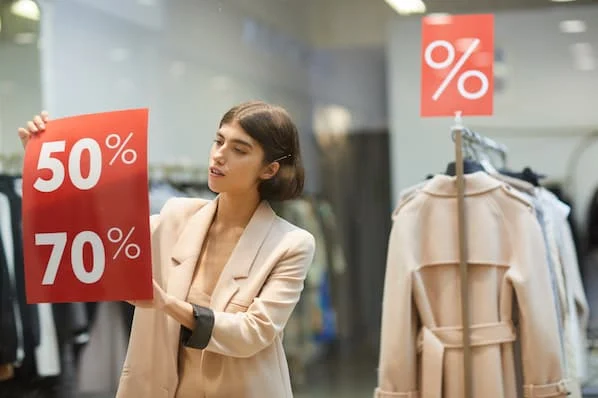
Discounts work because they tap into the fear of missing out (FOMO). When customers see a time-sensitive discount, they act quickly. But that urgency fades once the discount ends.
Here’s why relying too heavily on discounts can backfire:
- Price conditioning: Customers start expecting lower prices and hesitate to pay full value.
- Eroded brand value: Constant discounts can make a premium brand feel cheap.
- Low retention: Discount hunters are rarely loyal. They’re motivated by saving, not by your brand’s actual value.
- Margin erosion: Cutting prices eats into profitability, especially if it becomes a habit rather than a rare tactic.
Discounts are like an adrenaline shot: they give a quick burst of sales but often leave brands scrambling to maintain momentum.
The Power of Free Trials: Experience Before Commitment
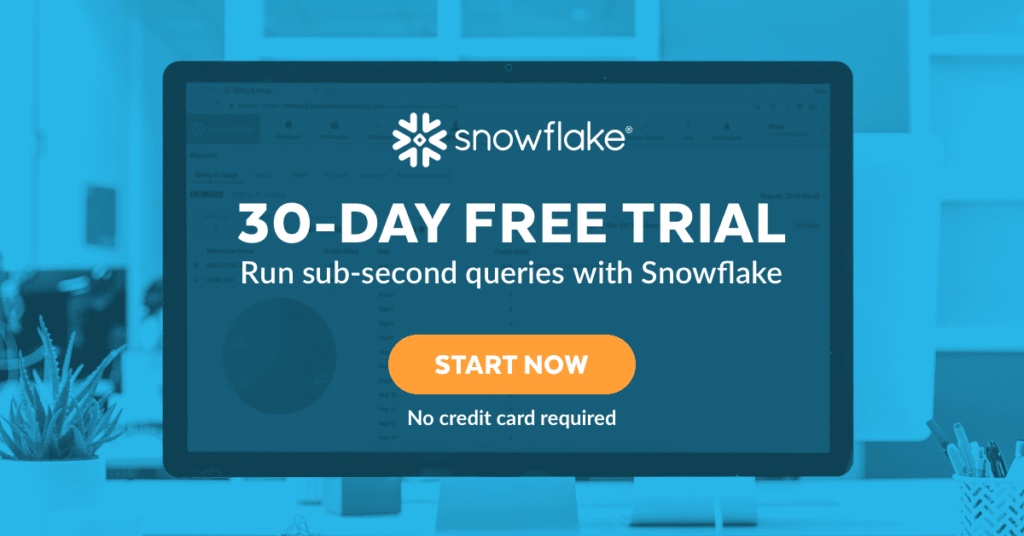
Free trials, on the other hand, speak to a deeper consumer need: trust. By letting people experience your product without risk, you remove purchase anxiety.
Instead of asking buyers to make a decision based on price, free trials invite them to test the product’s value in real life. This leads to:
- Emotional buy-in: Users don’t just think your product is good—they feel it’s valuable because they’ve lived with it.
- Habit formation: Once customers integrate a service into their daily routine, it’s harder to give it up.
- Lower churn risk: Trial users who convert are often genuinely interested, not just bargain hunters.
- Stronger brand perception: Offering a free trial signals confidence in your product.
In essence, free trials shift the conversation from “This is cheaper” to “This is worth it.”
Why Free Trials Outperform Discounts
1. They Sell Value, Not Price
Discounts make customers focus on saving money. Free trials make them focus on whether the product improves their life. Long-term loyalty comes from perceived value, not cost savings.
2. They Encourage Habit Formation
Behavioral science shows it takes about 21 days to form a habit. Free trials, often lasting 7–30 days, give customers time to weave the product into their lives—be it listening to music, editing designs, or meditating.
3. They Attract Higher-Quality Leads
Free trial users often have genuine intent. They’re curious about the product, not just the discount. This leads to more qualified conversions and less churn.
4. They Build Trust and Transparency
By saying, “try us for free,” a brand signals confidence. It removes skepticism because the customer isn’t pressured into paying upfront.
Case Studies: Free Trials That Changed the Game
1. Netflix: From Free Trial to Daily Habit

Netflix’s early growth was fueled by free trials. Once users binged a few shows, canceling became difficult. The brand didn’t just sell entertainment—it created daily rituals. Even after removing the free trial in some markets, the momentum proved how powerful the model had been in building habits.
2. Spotify: Free Trial to Premium Pipeline
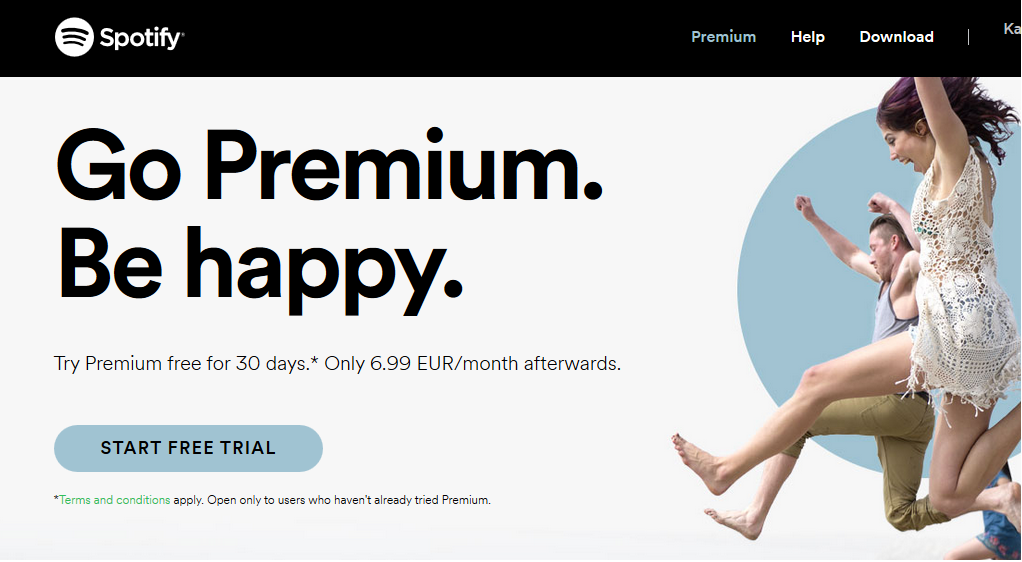
Spotify’s free trial allows users to experience ad-free listening. Many convert because playlists become part of their daily life. The transition from free to paid feels natural once music streaming is ingrained in routines.
3. Adobe Creative Cloud: Proving Worth Before Purchase
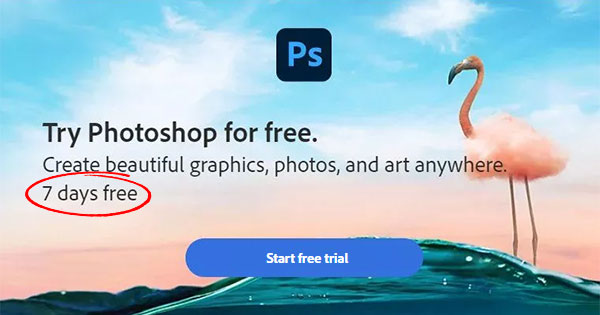
Adobe’s software comes with a steep learning curve and a high price tag. Free trials let users explore features and experience the creative freedom, making the purchase decision easier.
4. Calm & Headspace: Meditation Apps That Hook Users
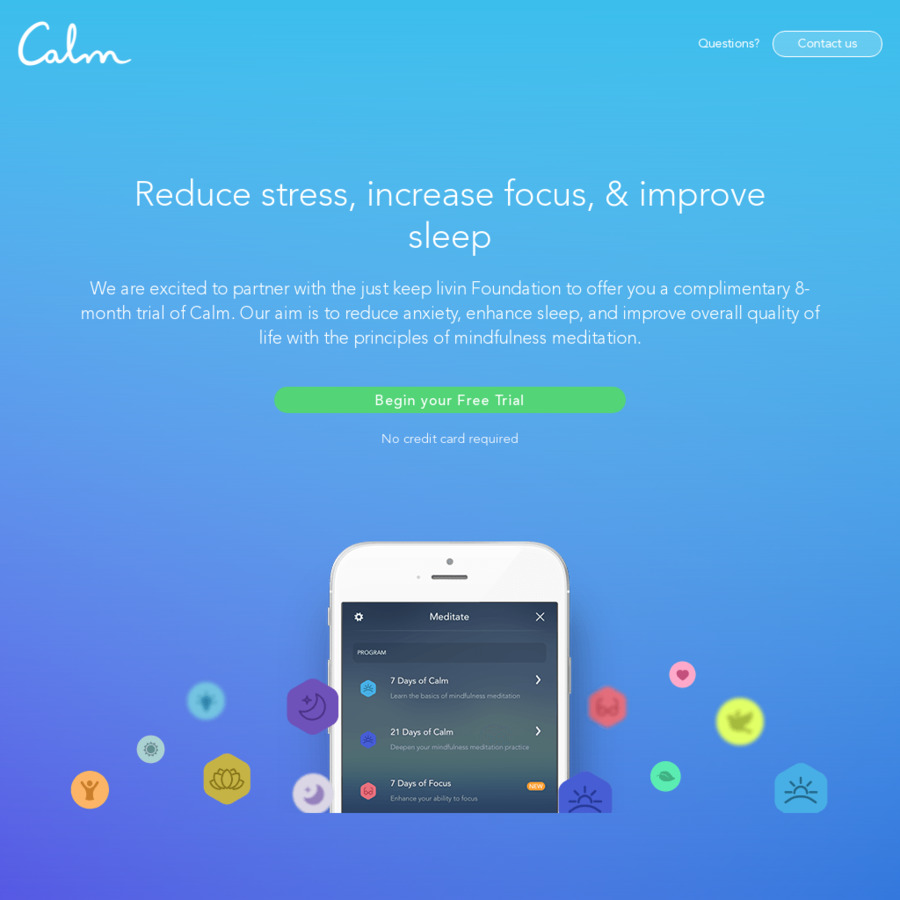
Both meditation apps rely on habit-building. Once users commit to daily sessions during a free trial, paying to continue feels like an investment in their well-being.
5. Peloton: Trials That Drive Lifestyle Changes
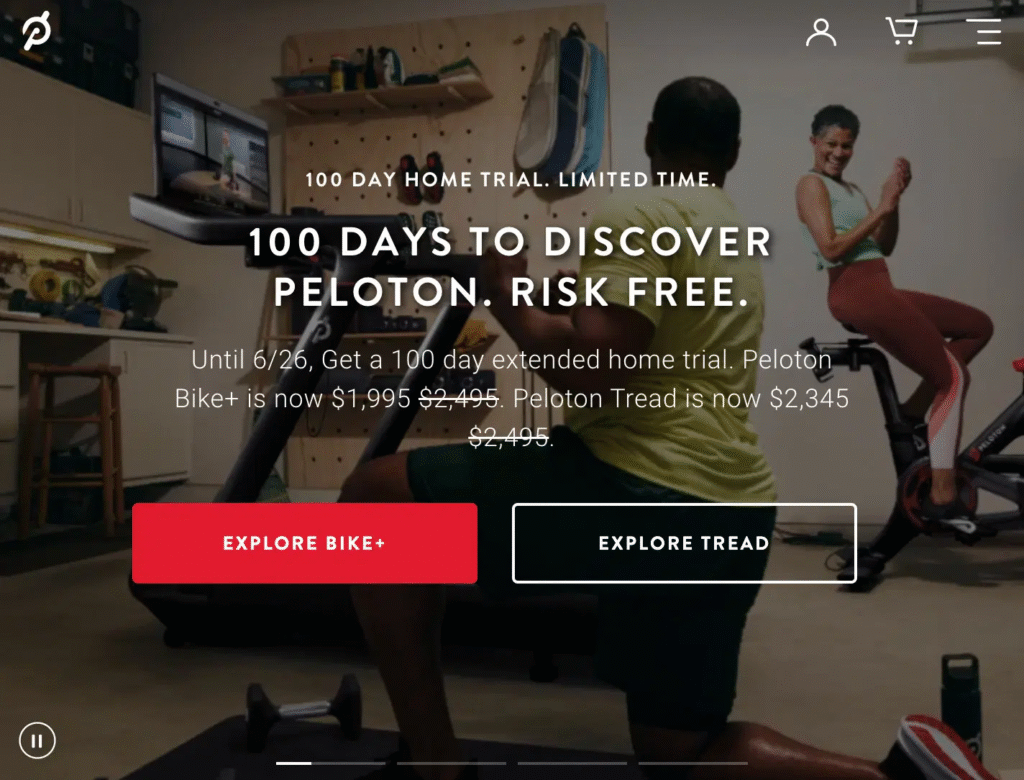
Peloton’s free trial of its app and occasional hardware trials give users a taste of the community and content. Once fitness becomes part of a routine, the barrier to paying diminishes.
These examples highlight a core truth: free trials let the product do the selling.
Pitfalls of Free Trials (and How to Avoid Them)
While free trials can outperform discounts, they’re not without risks. Here are some common pitfalls:
1. Too Long, Too Free
If a trial is overly generous, customers may extract all the value without converting. Solution: Keep trials long enough to showcase value (7–14 days for most, 30 days for complex SaaS), but not endless.
2. Lack of Onboarding
Users who don’t understand the product won’t convert. Solution: Provide clear onboarding—tutorials, guided tours, and quick wins to help users experience value early.
3. Poor Conversion Funnel
Some businesses fail to follow up. Solution: Use email drip campaigns, push notifications, and in-app nudges to guide users toward paid plans.
4. Not Showcasing Full Value
Overly restricting features during a trial can frustrate users. Solution: Offer core features, but create natural upgrade points that highlight premium value.
5. High Drop-Off After Trial Ends
If cancellation is too easy, churn rises. Solution: Remind users of their achievements (songs streamed, designs created, workouts completed) to build emotional attachment.
How to Maximize Free Trial Conversions
Free trials outperform discounts when they’re strategically designed. Here’s how to optimize:
- Find the Right Length:
- SaaS: 14–30 days to explore features
- Apps: 7–14 days to build habit
- Premium goods/services: trial samples or experiences work best
- Onboard Fast: Get users to their “aha moment” quickly. For example, Canva pushes users to create their first design within minutes of signup.
- Educate Along the Way: Don’t assume trial users will explore everything. Show them hidden value via emails, in-app prompts, and tutorials.
- Remind Them of Their Wins:
- Reinforce usage metrics: “You’ve meditated 10 times this week” or “You designed 5 graphics in 7 days.” These reminders highlight progress worth paying for.
- Make Upgrading Frictionless: The transition from trial to paid should be one click. Overcomplicating payment or adding hidden steps can kill conversions.
Free Trials vs. Discounts: When to Use Each
Use Discounts when clearing inventory, running seasonal promotions, or attracting price-sensitive shoppers. Use Free Trials when selling experiential products, subscriptions, or anything where long-term engagement matters.
The best strategy often combines both. For example, after a free trial ends, a brand might offer a short discount to nudge hesitant users.
The Bottom Line: Experience Beats Price
In the battle of free trials vs. discounts, the winner is clear: free trials build habits, trust, and loyalty that discounts can’t match.
Discounts may boost short-term revenue, but free trials cultivate long-term customers who stick around because they’ve already experienced the product’s value.
For marketers, the lesson is simple: stop racing to the bottom with discounts. Instead, let your product prove its worth. That’s how you build sustainable growth in today’s customer-first economy.
Leave a Reply