 The Marketer
In the ever-changing retail landscape, one trend has captured the imagination of both brands and consumers alike: pop-up stores. While these temporary retail spaces have gained popularity worldwide, they have found a particularly fertile ground in Asia. From luxury fashion houses in Tokyo to tech innovators in Shanghai and beauty brands in Seoul, pop-up stores are thriving across the region. But why do they work so well here compared to other markets? The answer lies in a mix of cultural dynamics, consumer behavior, and digital integration that makes Asia a perfect playground for experiential retail.
The Allure of Exclusivity
One of the main reasons pop-up stores resonate so strongly in Asia is the cultural value placed on exclusivity and limited editions. Asian consumers, especially in cities like Seoul, Shanghai, and Hong Kong, are drawn to products and experiences that feel unique and fleeting. A pop-up shop naturally creates a sense of urgency—if you don’t visit now, the opportunity will disappear.
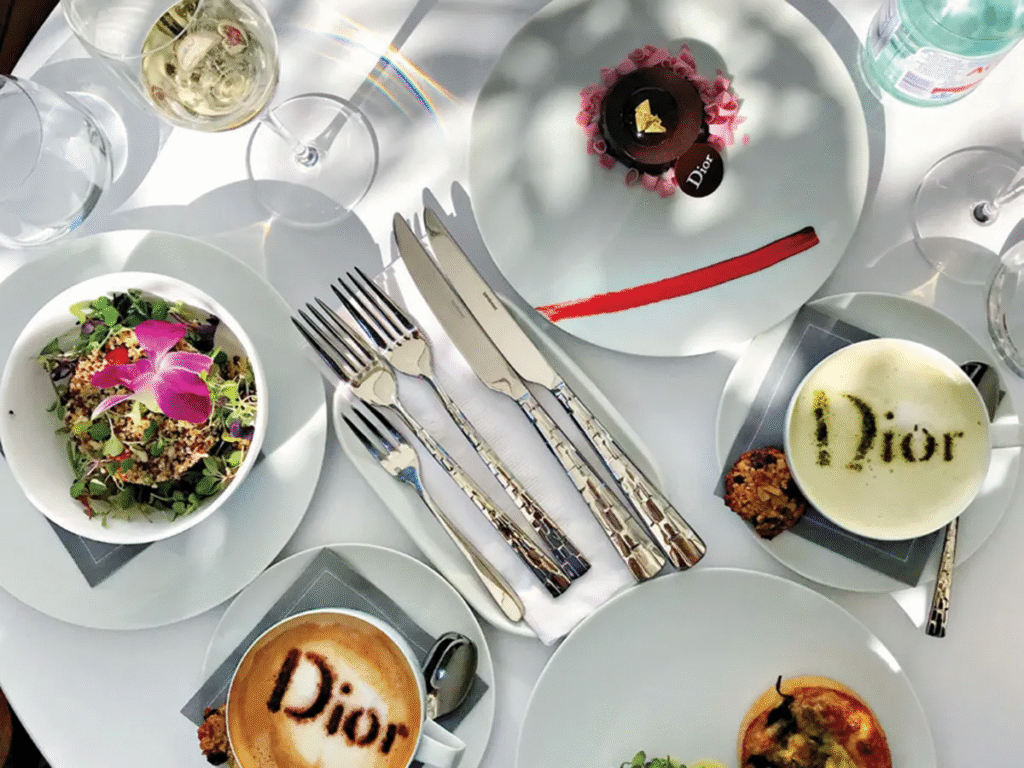
This taps directly into scarcity marketing, which is highly effective in Asia’s competitive retail environments. For instance, when luxury brands like Louis Vuitton or Dior host themed pop-up cafes or stores, lines often stretch around the block, driven by the desire to be among the first to experience something rare.
A Culture That Values Experience
Shopping in Asia is not just about buying products—it’s about the experience. Pop-up stores go beyond retail by offering immersive environments that blend shopping with entertainment, art, and culture.
In Japan, for example, brands often create pop-ups that feel like art installations, encouraging visitors to take photos, share them online, and extend the brand’s reach.
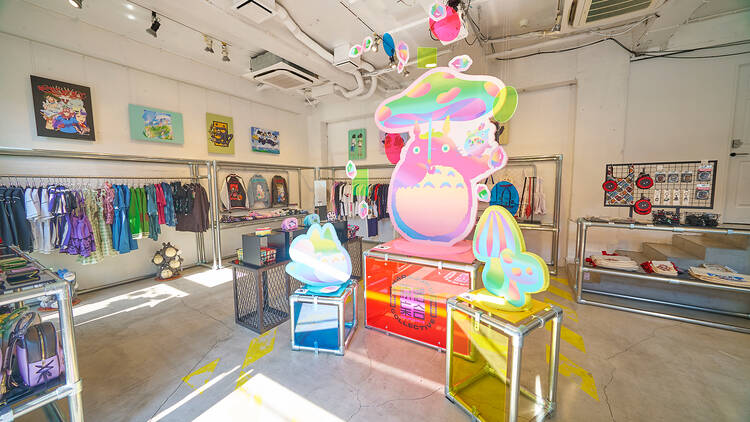
This aligns perfectly with the rise of the “experience economy” in Asia, where consumers, particularly Millennials and Gen Z, prioritize experiences over possessions. Pop-ups that offer interactive displays, gamification, or themed environments deliver on this desire, making them more than just a place to shop—they become destinations.
Social Media Amplification
In Asia, social media is not just a channel for communication—it’s a lifestyle. Platforms like Xiaohongshu in China, Instagram in Singapore, and TikTok across the region have created a culture where consumers love to share their experiences visually. Pop-up stores are designed with this in mind: eye-catching installations, creative backdrops, and limited-edition packaging all encourage visitors to snap photos and post them online.
This user-generated content effectively turns every visitor into a micro-influencer, amplifying the reach of the campaign at minimal cost to the brand. The viral potential of pop-ups in Asia is one of the biggest reasons they’ve become a go-to strategy for both global and local brands.
Flexibility in Fast-Changing Markets
Asia is one of the fastest-moving consumer markets in the world. Trends emerge, peak, and fade rapidly, especially in categories like beauty, fashion, and tech. Pop-up stores allow brands to test products, experiment with new markets, and gather consumer insights without the heavy investment of opening permanent stores.
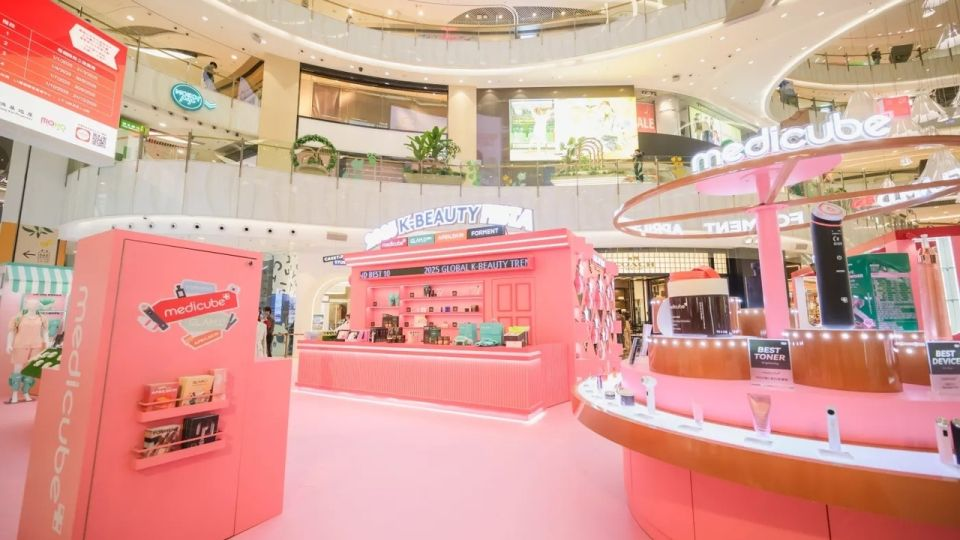
For example, K-beauty brands often use pop-ups to launch new product lines, monitor consumer feedback, and create hype before rolling out products at scale. Similarly, global brands entering Asia may launch pop-ups in cities like Bangkok or Jakarta to gauge demand before committing to larger operations.
Bridging Online and Offline
Asia is home to some of the world’s most advanced e-commerce ecosystems, but consumers still crave offline experiences. Pop-up stores act as a bridge between digital and physical retail. Brands often integrate QR codes, AR try-ons, or seamless mobile payment options within pop-ups, blending the convenience of online shopping with the excitement of physical discovery.
This hybrid approach is especially important in markets like China, where “New Retail”—the merging of online and offline commerce championed by Alibaba—has reshaped consumer expectations. Pop-up stores that incorporate digital elements not only meet these expectations but elevate the shopping journey.
Localized Storytelling
Another reason pop-ups thrive in Asia is their ability to tap into local culture and traditions. Many successful pop-ups align with regional festivals, from Lunar New Year to Diwali, or incorporate local design and storytelling elements that make them feel authentic.
For example, Nike has launched pop-ups in Shanghai inspired by local street culture, while food brands in Singapore have created limited-time pop-ups around hawker-style dining.

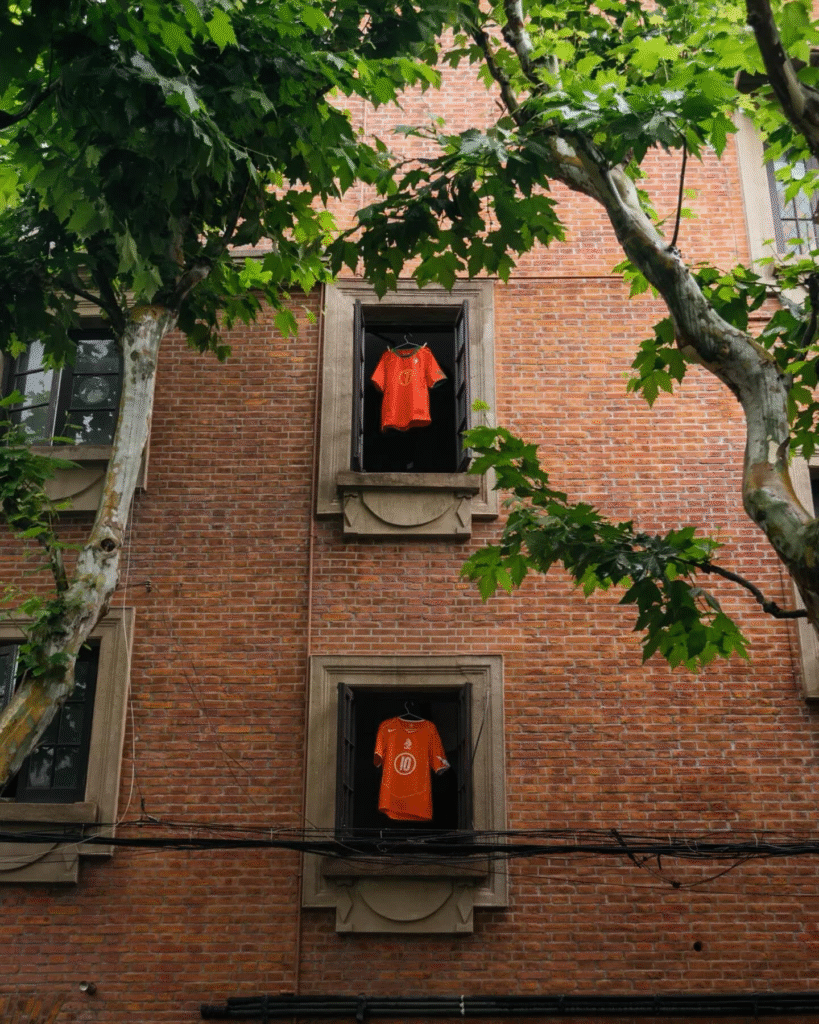
By blending global branding with local flavor, these experiences resonate deeply with consumers.
Final Thoughts
Pop-up stores succeed in Asia because they reflect the region’s unique mix of cultural values, digital habits, and consumer desires. They offer exclusivity in markets that crave it, provide experiences that align with lifestyle-driven consumption, and create Instagram-worthy moments that fuel organic buzz. At the same time, they serve as flexible, low-risk testbeds for brands navigating Asia’s dynamic markets.
As long as Asian consumers continue to value novelty, experience, and shareability, pop-up stores will remain more than a passing trend—they’ll be a vital part of how brands connect with audiences across the region.
