 The Marketer
In 2021 and 2022, three letters dominated the internet: NFT. Everyone from luxury fashion houses to fast-food chains jumped on the bandwagon, promising exclusive access, digital ownership, and community. For a brief but intense period, NFTs (non-fungible tokens) weren’t just a crypto craze—they were the marketing world’s favorite new toy.
But as the hype faded and prices crashed, a question emerged: why did NFTs and marketing have a moment, and what lessons can brands take away from it?
This isn’t a story about blockchain technology or speculative bubbles. It’s about how NFTs perfectly captured a cultural moment where ownership, identity, and digital life collided—and how brands, for better or worse, tried to capitalize on it.
The Perfect Storm: Culture Meets Technology
To understand why NFTs exploded, you have to look at the cultural context. The pandemic accelerated digital transformation and blurred the line between physical and virtual life. People were spending more time online—shopping, socializing, and even expressing identity through avatars and digital spaces.
NFTs arrived as the next logical step in that evolution. For the first time, digital goods could be owned, verified, and traded with proof of authenticity. In an era where memes and digital art were endlessly copied, NFTs offered something rare: scarcity.
Marketers saw the potential immediately. The idea of digital exclusivity resonated with the same principles behind luxury branding—limited editions, community belonging, and emotional storytelling.
In short, NFTs weren’t just tech—they were psychology.
The First Movers: Brands That Dove In Early
When NFTs began to trend, brands wasted no time experimenting. Some used them as collectibles, others as loyalty tools, and a few as full-fledged marketing campaigns that redefined engagement.
1. Nike: Digital Sneakers and the Future of Ownership
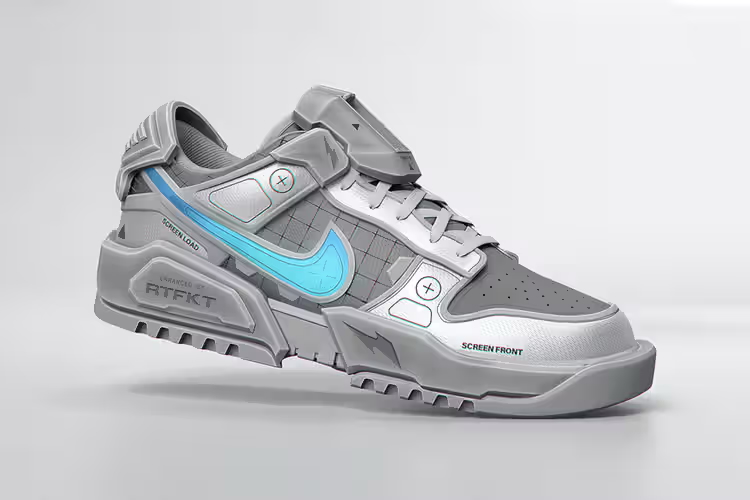
Nike was one of the earliest mainstream brands to take NFTs seriously. Through its acquisition of RTFKT Studios, a digital fashion startup, Nike entered the “metaverse wearables” space—selling NFT sneakers that could be worn in virtual environments.
This wasn’t just about tech experimentation. It was about planting a flag in the future of identity. Nike understood that if tomorrow’s consumers live partly online, they’ll also want to flex their fashion digitally.
2. Coca-Cola: Nostalgia Meets the Metaverse
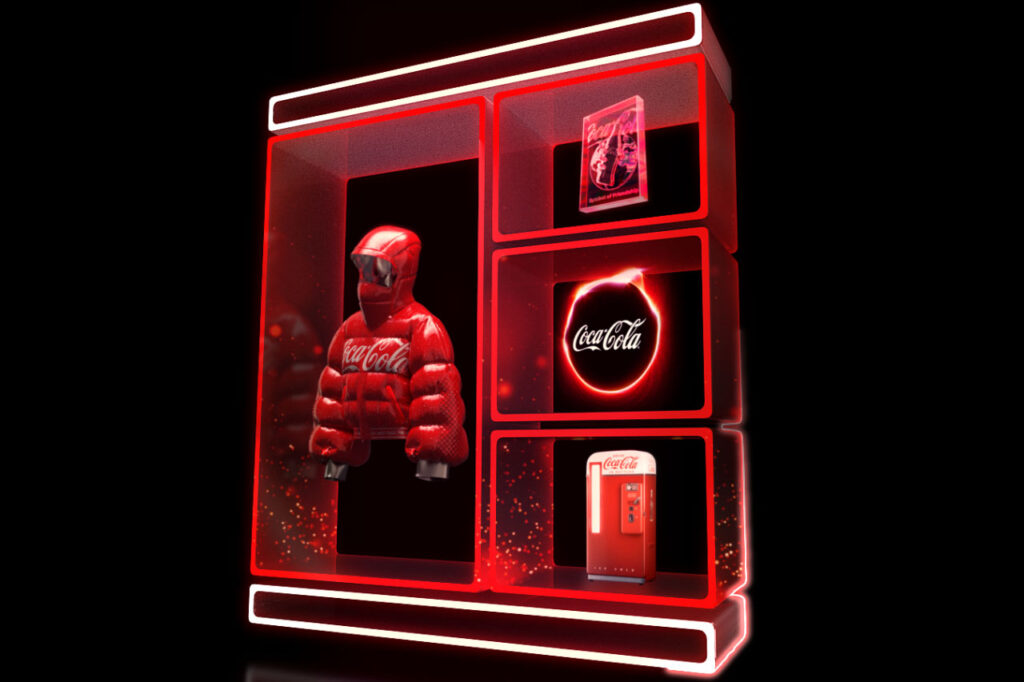
Coca-Cola took a storytelling approach. To celebrate International Friendship Day in 2021, the brand released a series of NFT collectibles inspired by its heritage—complete with a “loot box” that included sound bites of a Coke being opened and poured.
The campaign bridged nostalgia and innovation—a brilliant way to make an old brand feel culturally relevant again.
3. Taco Bell: Quick, Quirky, and Viral

Taco Bell’s entry was less about long-term strategy and more about cultural commentary. The brand launched NFT taco GIFs for charity, which sold out in minutes. It was a perfect example of how NFTs could generate headlines, virality, and goodwill—all without overcomplicating the message.
The Hype Cycle: From Boom to Burnout
Like all marketing trends, NFT mania followed a familiar arc—enthusiasm, experimentation, oversaturation, and eventual fatigue.
At first, NFTs felt revolutionary. But soon, every brand wanted in. From high fashion to fast food, the market flooded with projects that offered little value beyond novelty. Consumers began to question what they were actually buying—and why.
Many NFT campaigns fell into the same trap: they focused on the technology, not the experience. Instead of creating meaningful communities or lasting value, some brands chased buzz and forgot the fundamentals of good marketing—storytelling, authenticity, and purpose.
As the crypto market crashed, so did the hype. But that doesn’t mean the experiment failed. In fact, it revealed something profound about modern consumers and the evolution of marketing itself.
The Real Lesson: People Crave Participation
At its core, the NFT movement wasn’t about digital art—it was about belonging. NFTs created communities where ownership translated into identity. Holders weren’t just fans; they were insiders, co-owners, and advocates.
That sense of participatory marketing—where consumers are not just buyers but stakeholders—is what made NFTs powerful.
Consider the success of the Bored Ape Yacht Club (BAYC). It wasn’t just a collection of JPEGs; it was a status symbol and membership card to an exclusive digital club. For marketers, it was a case study in brand storytelling, scarcity, and network effects.

Brands that understood this—like Adidas, which collaborated with BAYC and Punks Comic—tapped into that community-driven energy. They didn’t just sell a product; they invited consumers into a story.
Luxury and Exclusivity in the Digital Age
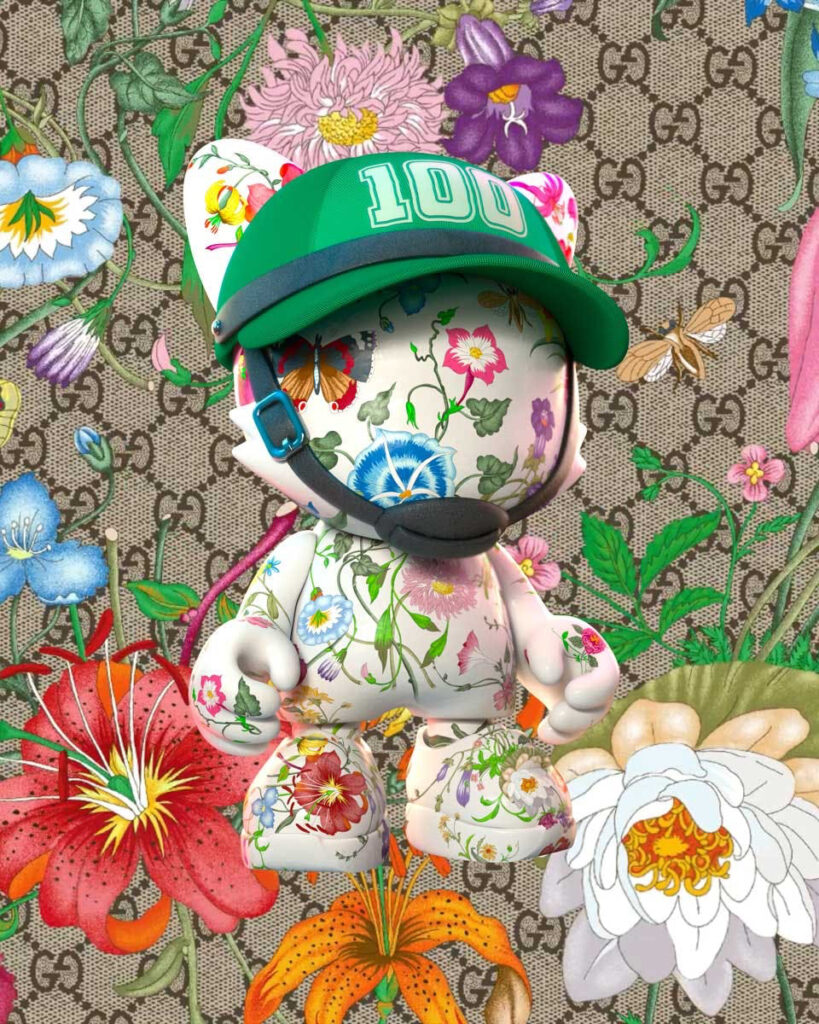
Luxury brands, in particular, found NFTs irresistible because the logic aligned perfectly with their DNA.
- Scarcity: Limited drops mirror limited-edition fashion collections.
- Status: Owning a rare NFT confers digital prestige.
- Storytelling: Each NFT can represent a piece of a brand’s heritage or artistry.
Brands like Gucci and Louis Vuitton experimented with digital fashion, AR experiences, and blockchain-backed collectibles. Gucci even sold a virtual handbag in Roblox that cost more than its real-world counterpart—a striking example of how value perception has shifted in digital culture.
In the luxury sector, NFTs proved that exclusivity no longer requires physical materials. Digital ownership, if emotionally charged, can feel just as prestigious.
Beyond Collectibles: The Next Phase of NFT Marketing
Even as the NFT bubble burst, the underlying technology continues to evolve. The concept of digital ownership is far from dead—it’s simply finding new, more practical applications.
Here’s where NFTs and marketing are heading next:
1. Loyalty and Membership
Brands are experimenting with NFTs as loyalty tokens that unlock rewards, events, or early access. Starbucks’ Odyssey program, for example, uses NFTs to gamify customer engagement—without ever mentioning crypto jargon.
2. Ticketing and Event Access
NFTs can replace traditional tickets, offering proof of attendance, resale royalties, and post-event perks. This concept is gaining traction in music festivals, sports, and entertainment.
3. Digital Twins for Physical Goods
Imagine buying a luxury watch and receiving an NFT version that verifies its authenticity and records its ownership history. This concept—called a digital twin—is gaining serious attention in retail and fashion.
4. Creator Economy 2.0
For independent artists, musicians, and creators, NFTs still represent empowerment. They enable direct relationships with fans, bypassing platforms that take massive cuts. For brands, this creator-led model offers fresh collaboration opportunities rooted in authenticity.
What Marketers Should Remember
The NFT boom taught marketers several valuable lessons that extend beyond blockchain:
- Hype isn’t a strategy.
Riding trends can generate attention, but sustainable marketing requires purpose. The NFT campaigns that endured were those with clear value and storytelling. - Community is currency.
Whether digital or physical, ownership only matters if it connects people. The emotional pull of community outlasts the novelty of technology. - Transparency builds trust.
As digital ownership becomes mainstream, consumers expect clarity on value, privacy, and data. Marketers must treat these spaces ethically, not exploitatively. - Experimentation is essential.
NFTs may have peaked, but the willingness to explore new mediums—metaverse activations, AI campaigns, AR storytelling—remains vital to keeping brands relevant.
The Cultural Legacy of NFTs in Marketing
Even if the NFT frenzy has cooled, its impact on marketing culture is undeniable. It accelerated conversations about ownership, authenticity, and identity in the digital era.
It also marked a generational shift: younger audiences now value digital status as much as physical. Owning an NFT, wearing a digital fashion piece, or joining a tokenized community reflects who they are—just as much as driving a luxury car or carrying a designer bag once did.
In this way, NFTs gave marketers a preview of the future. They forced brands to rethink what “value” means when products aren’t tangible but emotional, social, and symbolic.
The Road Ahead: From Novelty to Utility
So, are NFTs gone for good? Hardly. What’s happening now is a correction—a move away from speculative hype toward real-world utility. The most successful projects in the next phase won’t be about selling art or status; they’ll be about solving problems and enhancing relationships.
In marketing, that means NFTs could quietly become the infrastructure behind loyalty programs, influencer collaborations, and customer experiences—without even using the acronym “NFT.”
Much like QR codes, which were once dismissed as a fad but later became ubiquitous, NFTs might fade from headlines only to reappear as everyday tools in brand ecosystems.
Final Thoughts
NFTs and marketing had a moment because they tapped into something bigger than technology—they reflected the human desire for connection, identity, and ownership in an increasingly digital world.
For a few electric years, they turned the internet into a playground of creativity and possibility. And while the hype has cooled, the lessons remain: value is emotional, communities are powerful, and storytelling is still the beating heart of every great brand.
In the end, the NFT moment wasn’t about blockchain—it was about imagination. And in marketing, that never goes out of style.
