 The Marketer
For a brand founded in 1895, Swarovski’s recent rebranding is nothing short of a masterclass in modern luxury repositioning. Under the leadership of CEO Alexis Nasard and Creative Director Giovanna Battaglia Engelbert, the Austrian crystal house has been redefined with a fresh aesthetic, sharper strategic focus, and a clear ambition: to become a bold “pop luxury” brand that bridges high-fashion heritage and accessible style.
A Legacy Brand Faces a Turning Point
Swarovski has long been synonymous with precision-cut crystal—trusted, elegant, but perhaps also somewhat safe and predictable. By 2020, the brand faced a common challenge among heritage luxury players: evolving consumer expectations, digital disruption, and the need for relevance among younger, trend-savvy customers.
The rebrand launched in early 2021 marked the first major brand identity refresh in over 30 years.
Key changes included:
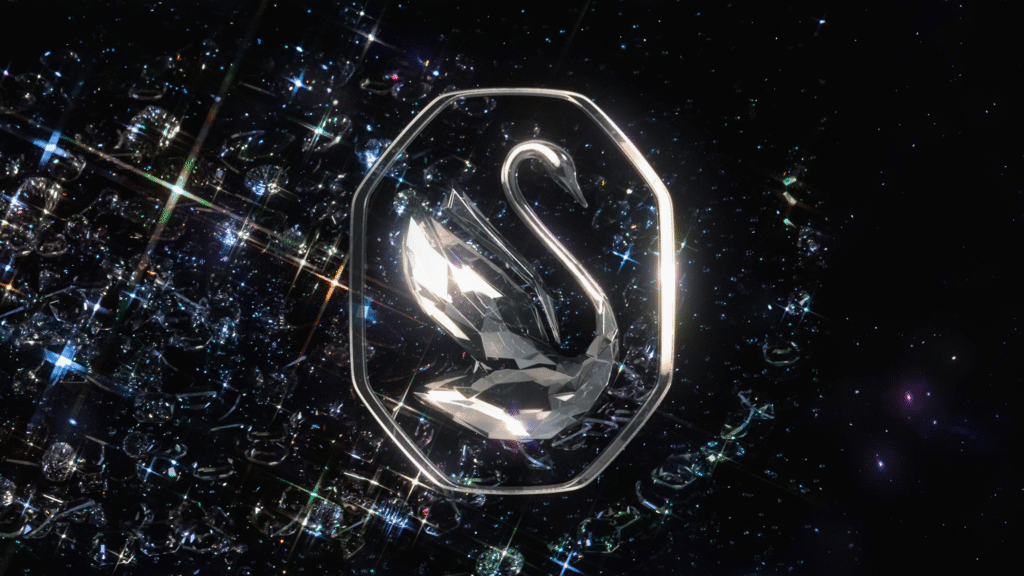
- A redesign of the iconic swan logo—now facing right, elongated, set within a stylised octagon inspired by crystal facets.
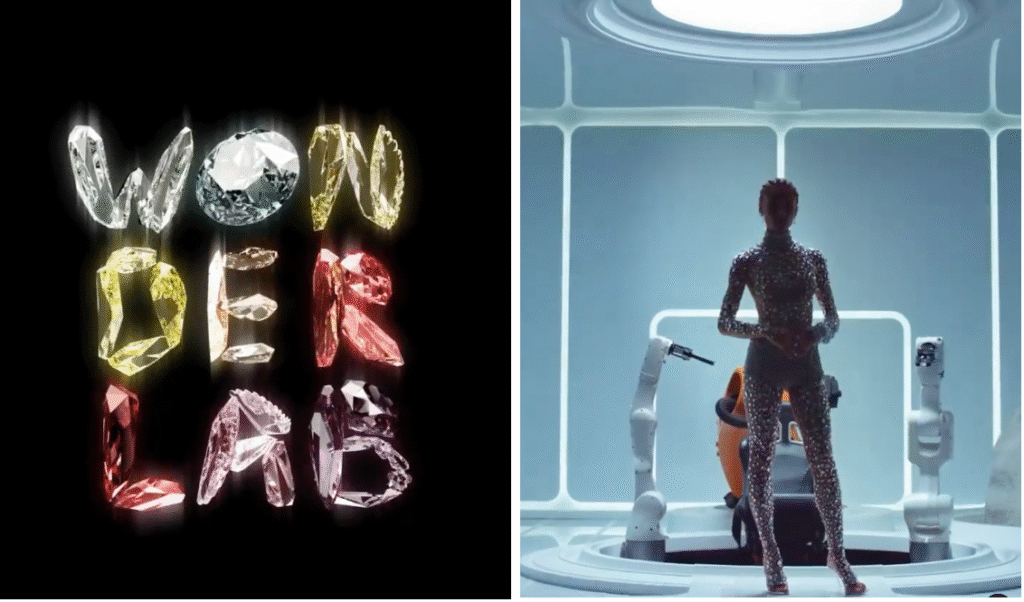
- A new brand film and campaign under the “Wonderlab” concept positioning the brand as “where magic and science meet”.
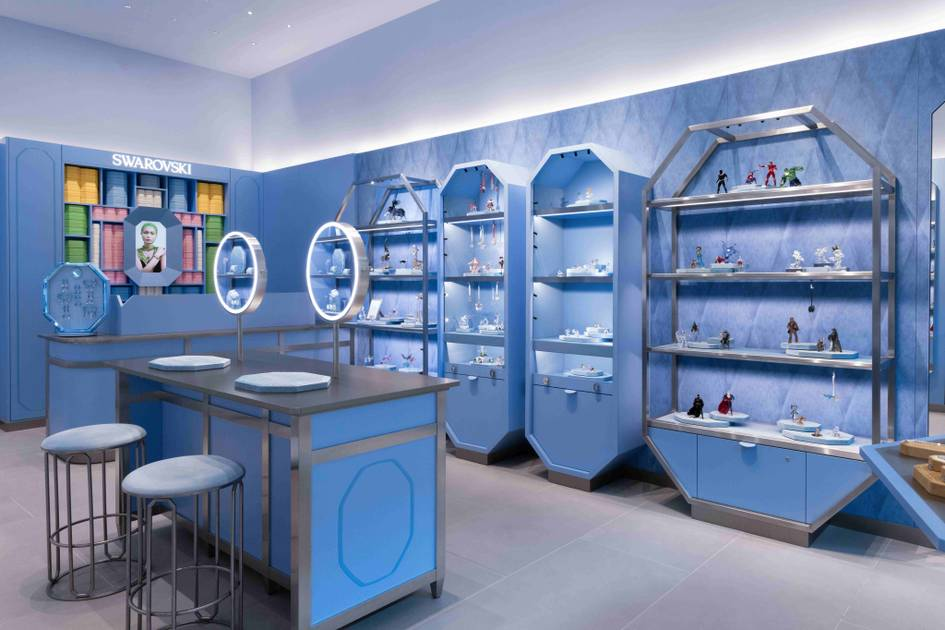
- A global store redesign with the “Instant Wonder”/WonderLUX concept, designed to feel immersive, playful and aspirational.
Repositioning Luxury: The “Pop Luxury” Strategy

Rather than merely raising price points or leaning into exclusivity, Swarovski’s strategic direction under Nasard has been to redefine luxury by value, experience, and cultural relevance. In an interview he described luxury as “providing true value to the customer”—not about “excessively high prices, fake rarity, and haughty service.”
Under this repositioning:
- Swarovski broadened its reach while remaining premium, offering pieces across different price tiers so that a wider audience feels invited in.
- The brand embraced collaborations and cultural moments—such as campaigns with Ariana Grande, viral celebrity looks and major fashion collaborations—to cement relevance in pop culture.
- A strong digital, social and experiential focus was emphasised—from flagship stores to immersive campaigns and content designed for Gen Z and Millennials.
What the Brand Refresh Delivered
The outcomes of Swarovski’s rebranding effort are measurable and meaningful. According to reports:
- Swarovski reported around €1.83 billion in revenue for 2023, and growth across business lines, even when broader luxury markets faced challenges.
- Their US market and retail footprint are being prioritised, targeting growth in key global cities where cultural influence is high.
- Sales of higher-margin jewellery and meaningful shifts in brand perception show that the repositioning is resonating.
Key Pillars of the Rebranding Strategy
Swarovski’s transformation wasn’t just cosmetic — it was built on several strategic pillars:
Heritage Reimagined. While the brand leaned into modernisation, it grounded its identity in its crystal heritage: faceting, light, color, and craftsmanship. The octagonal motif and the iconic swan were retained—but evolved.
Cultural Relevance. To remain relevant in a fast-moving world, the brand moved beyond a traditional luxury narrative. Swarovski is now actively participating in cultural trends (fashion, music, social media) rather than just serving heritage consumers.
Experience-Led Retail and Digital Integration. The “WonderLUX” store concept and immersive digital campaigns signal that Swarovski isn’t simply selling jewellery—it is selling a shimmering world of aspirational lifestyle.
Inclusive Accessibility. One of the more interesting aspects of the repositioning is the effort to make luxury feel accessible—without diluting it. By offering a tiered approach and embracing aspirational segments, Swarovski invites a broader audience into its world while maintaining premium perception.
Lessons for Marketers
Swarovski’s rebrand offers valuable lessons for any brand—luxury or otherwise—that seeks to refresh its identity in a digitally connected, trend-savvy market:
- A heritage brand can remain relevant only if it evolves its story rather than relying solely on legacy. Repositioning should focus not only on what you make, but how you make people feel. Swarovski shifted from “crystal” to “experience, pop culture, joy”.
- Brand identity refresh is best when rooted in core heritage but amplified for modern audiences—logo redesigns, store concepts and campaigns must reflect both.
- Cultural integration (through collaborations, influencers and social moments) helps a brand become part of the conversation—not just an advertiser in it.
- Creative direction and leadership matter. The appointment of Engelbert as creative director and Nasard as CEO reflect the importance of transformative leadership in executing rebrands.
Looking Ahead
As Swarovski continues to build on its repositioning, it faces several interesting challenges: staying ahead of fast-moving trends, maintaining desirability without overexposure, and deepening its luxury credentials (including newly launched lab-grown diamonds and fine jewellery) while still appealing to broader markets.
Yet, if the early results are any indication, the brand is not only surviving its reinvention—it’s thriving because of it.
Final Thoughts
At its core, Swarovski’s rebranding is a story of transformation—not from one luxury brand to another, but from tradition to relevance, from decorativeness to dynamism. It has managed to keep the sparkle of its crystal heritage alive, while re-casting it in a language of modern culture, experience and inclusivity. That is the alchemy of successful luxury repositioning—and one that marketers should study closely.
