 The Marketer
Here are some of the top marketing-industry developments worth knowing this November, and what they mean for marketers in 2025.
1. Agencies and analytics firms shift leadership
This month we saw notable leadership changes that reflect how agencies and data vendors are repositioning themselves for a changing marketing landscape. Kantar announced the appointment of Kristi Rogers as President of Global Solutions, signalling a push toward unified marketing and branding solutions.
Meanwhile, Bain & Company tapped Philip Dowling as the new Global Leader of Brand, Marketing & Sales.
Why it matters: These moves reaffirm that marketing leadership today is about more than creative or media—it’s about driving integrated brand, data and growth functions under one roof. If you’re a marketer, it’s a reminder to align internally across brand, performance, and analytics rather than staying siloed.
2. Measurement standards rise in importance
Another big story: measurement firms are gaining recognition. Early in November we saw Ipsos MMA named as a Leader in the 2025 Gartner Magic Quadrant for Marketing Mix Modeling Solutions.
For marketers, this shifts the conversation: instead of just talking about reach or engagement, the emphasis is increasingly on outcomes, ROI and accountability. If you’re planning your 2026 marketing budget, make sure you have measurement frameworks in place that align with these standards.
3. Content and creator-economy infrastructure expands
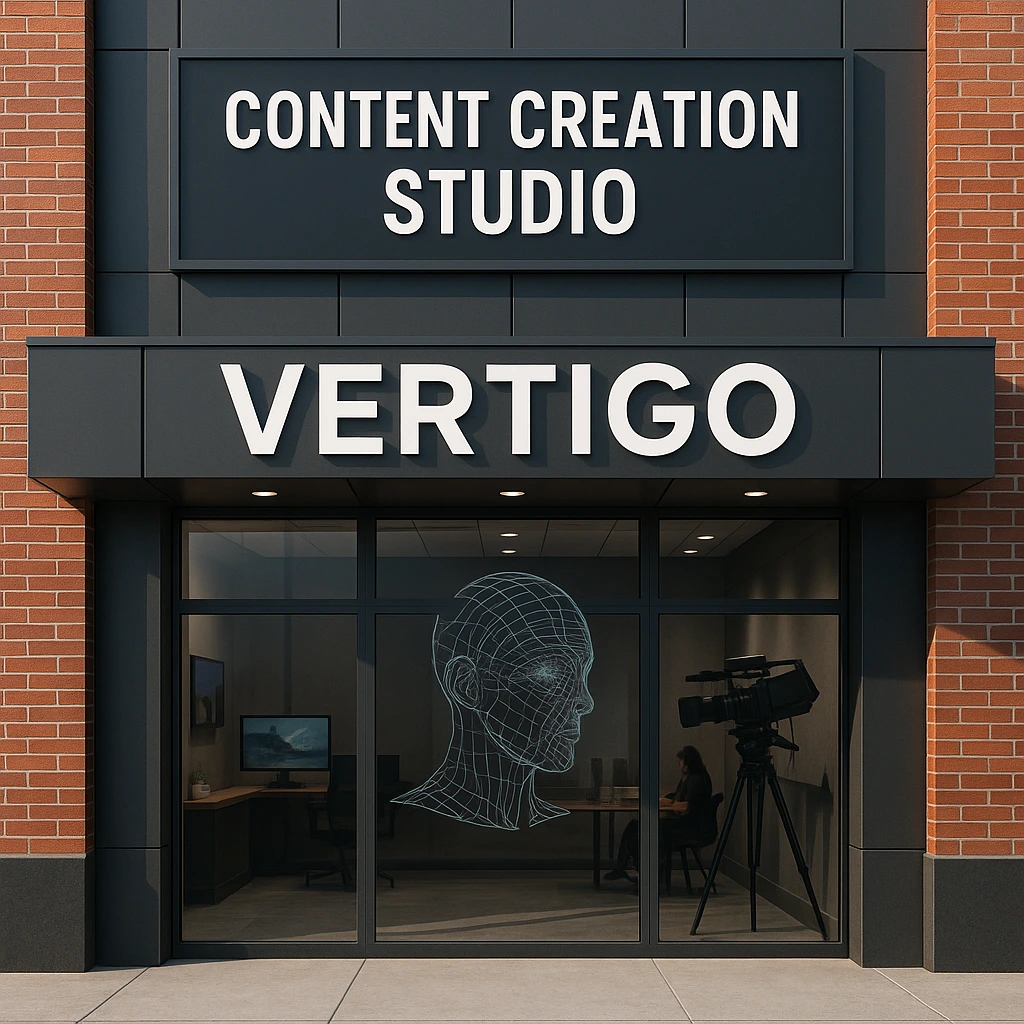
In the U.S., Vertigo Marketing Group opened a content-creation studio in Patchogue Village, complete with a TikTok Shop studio, podcast space and professional media setup.
This points to a broader trend: marketing is becoming media production. Brands and agencies are investing in in-house or dedicated production infrastructure to serve creator-talent, UGC and short-form video needs more reliably. If your content strategy still relies on ad hoc external production, you may fall behind brands that consider media creation a continuous capability rather than a campaign ad-hoc cost.
4. Global event takeaways centre on AI, data and agility

From the recent martech conferences came themes that will define marketing in the next 12–24 months. One summary report of the November MarTech Conference highlighted that while “agentic AI” is taking hold, the foundation of success remains data quality and how humans, machines and workflows orchestrate together.
For practitioners, the takeaway is clear: Investing in flashy AI tools is not enough. You must ensure your data is clean, your team understands how to interpret machine outputs, and your processes are built to take action quickly. This differentiates brands that experiment from those that extract value.
5. Ecommerce holiday signals and regional market adjustments

While many marketers were gearing for a strong holiday shopping season, reports surfaced that the recent Singles Day in China produced more muted results than in prior years. WARC noted the festival “may be forced to shift beyond discounts” as heavy discounting erodes brand equity.
Also noteworthy: in China, Restaurant Brands International (RBI) announced a joint-venture to expand Burger King from ~1,250 stores toward 4,000 by 2035 — underscoring that geographic growth strategy still matters amid global marketing trends.
For marketers in or entering Asia, these developments signal two things: discount-led tactics alone may no longer win long-term loyalty, and growth plays will lean harder on localisation, experience and brand positioning rather than just promotion.
Key implications for 2026 marketing planning
- Make sure your measurement stack is modern: marketing-mix modelling, unified analytics, attribution frameworks.
- Treat content production as a strategic asset. If you rely solely on external agencies, you may lack the agility required in today’s creator-driven cycle.
- Prioritise data hygiene and workflow readiness as you invest in AI/automation.
- Avoid leaning purely on promotion during major events or holidays — invest in brand-equity building and experience differentiation.
- Track leadership signals in your agency or platform partners. When senior roles shift, it often signals underlying strategic changes.
In Summary
November 2025 isn’t just about marketers reacting to platform changes—it’s about structural shifts in how marketing is organised, measured and produced. The leadership changes, measurement recognition, content-studio investments and regional shifts give a clear signal: marketing has matured. The brands that succeed next year will be those who recognise this shift and build infrastructure, processes and culture accordingly.
