 The Marketer
Xiaohongshu—also known internationally as RED or Little Red Book—has evolved into one of the most influential social commerce platforms in China. What started as a travel-and-shopping diary app has grown into a powerhouse where beauty, fashion, lifestyle, wellness, and even niche hobby communities shape consumer trends and purchasing decisions. RED is not just another social media platform. It is a hybrid ecosystem where authentic content, community trust, and commerce coexist seamlessly.
For brands hoping to enter or grow in China, mastering Xiaohongshu is no longer optional—it is essential. The platform has become a cultural amplifier, a search engine for shopping inspiration, and a credibility engine where consumers validate everything from skincare routines to lipstick shades to home appliances before buying. This guide walks through how RED works, why it matters, and what strategies help brands win on the platform in 2025 and beyond.
Understanding What Makes Xiaohongshu Unique
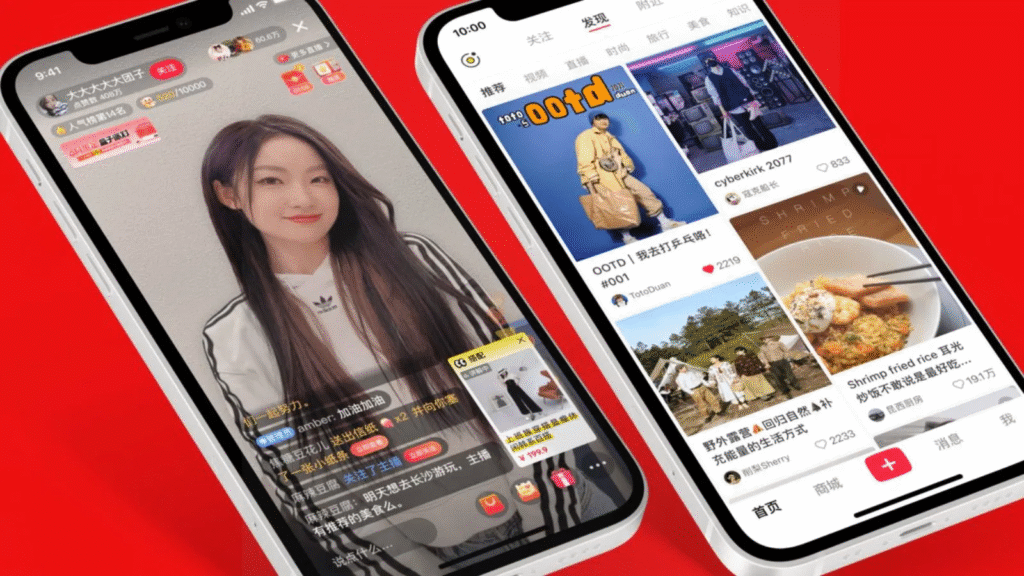
Unlike Western platforms where “going viral” often centers on entertainment, RED thrives on authenticity. Users treat it like a lifestyle encyclopedia: a place to bookmark product reviews, outfit ideas, travel tips, café recommendations, fitness routines, and more. The platform rewarded everyday creators long before the global rise of UGC, and today its algorithm still favors high-quality user posts over branded advertising.
Trust is the core reason RED holds such influence. Chinese consumers are highly skeptical of traditional advertising and rely heavily on peer-to-peer recommendations. On RED, they find real experiences, personal reviews, and detailed discussions that feel honest. That trust is why consumers check RED before making major purchases, especially in beauty, fashion, and wellness categories.
Brands succeed on Xiaohongshu when they align with this culture of authenticity. Heavy-handed sales tactics or overly polished content often fail. What works instead is credibility—built through conversations, community influence, genuine storytelling, and sustained brand presence.
Why RED Has Become a Powerhouse for Consumer Behavior
Chinese consumers heavily depend on research before purchasing, and RED is their go-to platform for discovery. On Xiaohongshu, every major product category has subcultures that dissect trends: dermatology-informed skincare discussions, ingredient analysis, makeup swatches, dupe testing, minimalism lifestyle content, and wellness routines.
The reason RED influences so many final decisions is its format. Posts often include in-depth personal opinions, before-and-afters, comparisons between products, and clear explanations of why something works. This level of detail offers transparency, reducing the uncertainty that comes with online purchases.
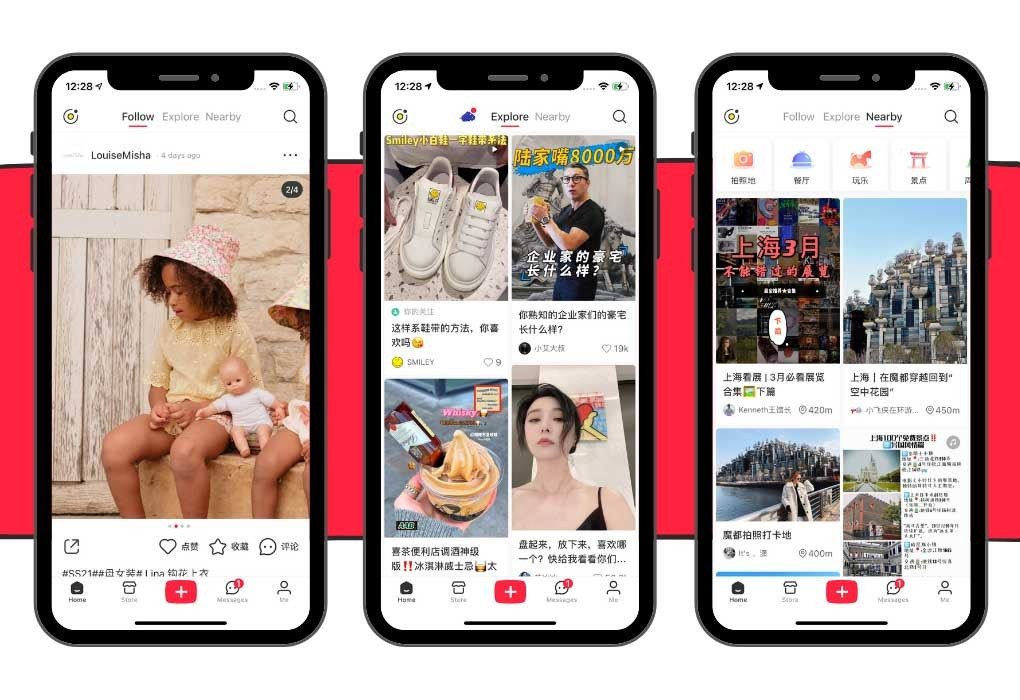
Moreover, RED is highly search-driven. Consumers actively search for keywords—such as “sunscreen for oily skin,” “best foundations for summer,” “Seoul cafés,” or “budget home renovation tips”—and the results show posts created by real users rather than ads. This high-intent behavior means brands can enter the conversation exactly where consumers are seeking solutions.
Because RED sits at the intersection of trust, community, and social commerce, brands that invest in it early often see a snowball effect of influence across China’s broader digital ecosystem.
What Content Performs Best on Xiaohongshu
Content that thrives on RED shares one common characteristic: it feels real. Users want posts that show genuine experiences, aesthetic visuals, and practical advice. Even when content is sponsored, audiences expect transparency and relatable storytelling rather than sales-driven pitches.
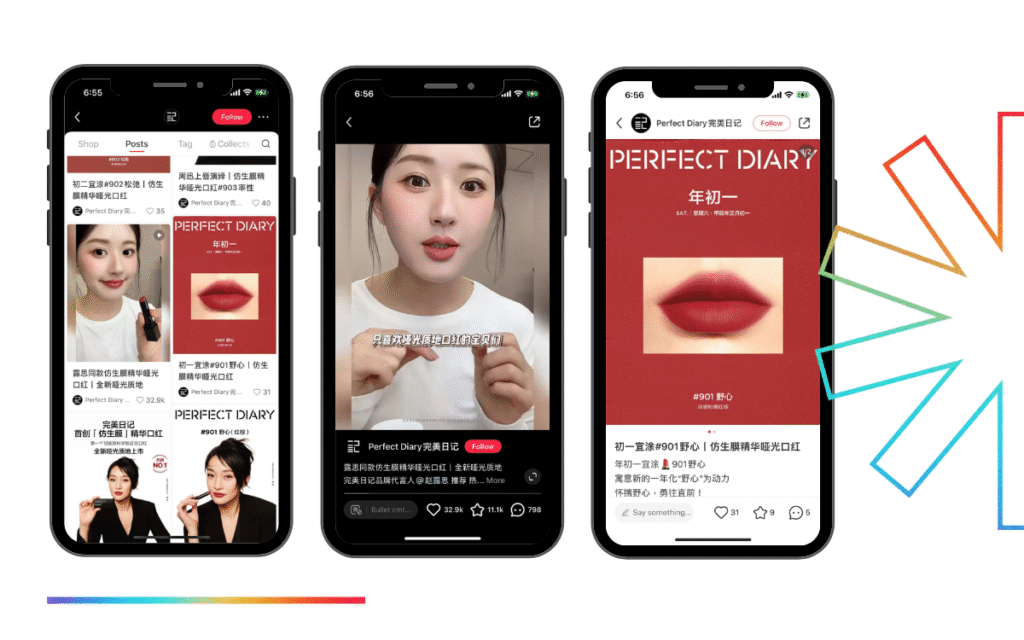
Beauty brands often succeed with before-and-after comparisons, ingredient-based education, and makeup swatches that help users make informed decisions. Fashion brands lean into outfit-of-the-day posts, capsule wardrobe guides, and styling tutorials that feel practical. Lifestyle brands flourish through home décor walkthroughs, wellness routines, travel diaries, personal reflections, and self-improvement topics.
The platform also rewards clean, visually pleasing aesthetics. Natural lighting, soft color palettes, and calm visuals perform well. Video content has grown significantly, but still reflects RED’s signature style: intimate, slower-paced, informative, and visually cohesive.
Brands must adapt their content to this style rather than impose Western influencer templates. The more personal, honest, and storytelling-driven the content feels, the stronger its performance.
The Role of KOLs and KOCs in Driving Influence
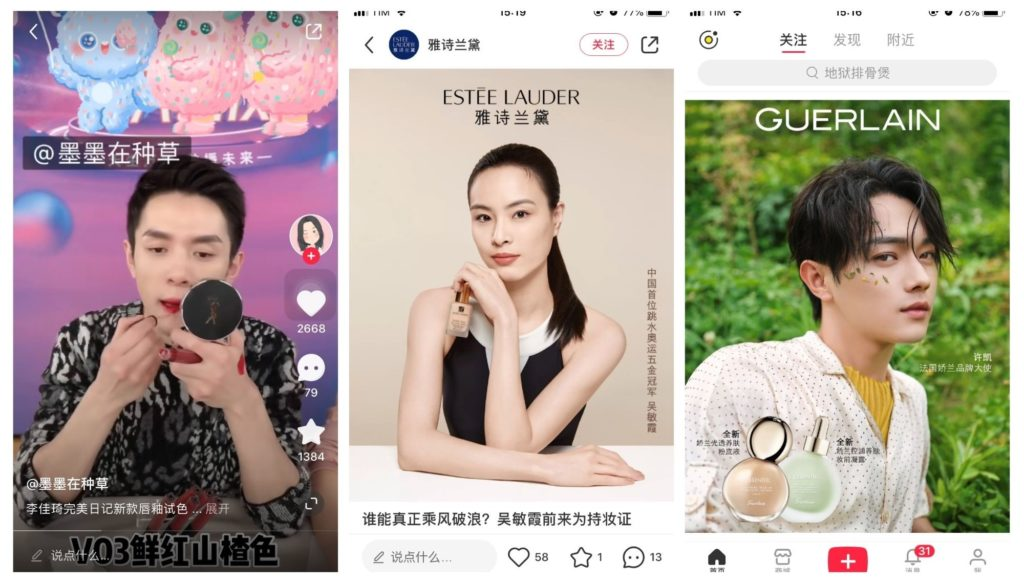
RED’s ecosystem is built around two groups: KOLs (Key Opinion Leaders) and KOCs (Key Opinion Consumers). Both are essential, but they serve different functions. Big KOLs bring visibility, credibility, and professional-quality content. They can help brands make a splash during product launches, store openings, or major campaigns. However, their content alone isn’t enough for long-term trust.
KOCs, on the other hand, are everyday consumers with smaller audiences—sometimes just a few hundred followers—who create authentic reviews. Their voices feel unbiased, which makes their impact surprisingly strong. A wave of positive KOC reviews often drives search traffic, increases keyword ranking, and boosts conversion because it mirrors genuine customer sentiment.
Successful brand strategies on RED combine both. KOLs create momentum and shape brand perception, while KOCs build legitimacy and sustain ongoing buzz. Brands that overlook KOCs risk appearing inauthentic, because RED’s users expect real voices from real shoppers—not just polished endorsements.
Why Consistency Matters More Than One-Off Campaigns
A common mistake foreign brands make is launching one flashy campaign and expecting long-term traction. But Xiaohongshu rewards consistency. Brands need an ongoing content presence to build keyword authority, algorithm visibility, and audience familiarity.
Posting once a month won’t work. Brands that win post multiple times per week, collaborate frequently with KOCs, and maintain active conversations in comments. The more consistently you appear—through your own brand account, creator posts, and consumer content—the more the algorithm recognizes your relevance.
Consistency also helps shape brand perception. Over time, consumers begin to associate your brand with certain qualities—clean skincare, minimal fashion, functional design, eco-conscious values, or luxury aesthetics. This positioning becomes stronger when it is reinforced repeatedly across posts and creators.
Community Interaction and Comment Culture
Comments are a major part of RED’s culture. Users expect brands to participate actively, answer questions quickly, and provide genuine recommendations. Long comment sections signal credibility and make posts more searchable.
Brands with strong engagement often increase conversions simply by being accessible. Clarifying ingredients, advising on shade matching, explaining formulations, or recommending usage routines demonstrates expertise. Consumers see brands that engage as trustworthy and customer-first.
Ignoring comments, however, can damage brand sentiment. On RED, silence often reads as disinterest, while thoughtful replies can convert hesitant users into confident buyers.
Keyword Optimization and SEO Within RED
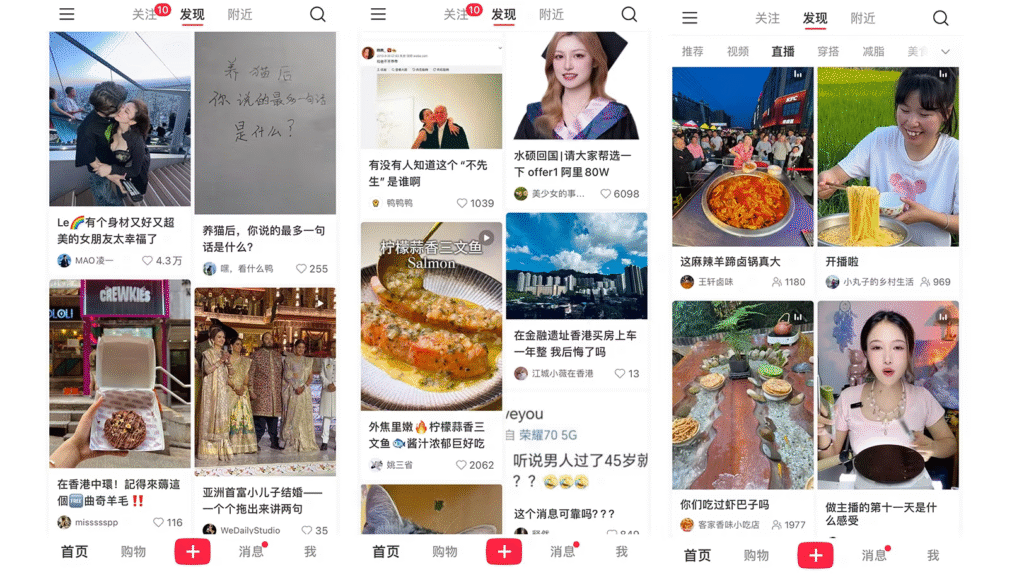
Xiaohongshu functions like a search engine. Users type keywords to find products, reviews, and inspiration. For brands, this means that optimizing posts for keywords is essential. Titles, captions, hashtags, and even in-post text influence how content ranks.
High-performing content strengthens the visibility of your core keywords. For example, if you are a sunscreen brand, constantly reinforcing keywords like “lightweight sunscreen,” “no white cast,” and “summer skincare” helps RED categorize your brand’s relevance.
Over time, consistent keyword usage across hundreds of posts—both brand-generated and creator-generated—creates keyword dominance. When users search those terms, your product becomes one of the top recommended options.
This built-in search engine effect is one of RED’s biggest advantages. It offers long-term brand equity within specific consumer needs.
The Importance of Social Proof
Social proof drives nearly every purchase decision on RED. A single authentic review can trigger a wave of interest, while dozens of positive mentions build mainstream momentum.
This is why unfiltered reviews matter. Consumers trust real photos, real experiences, and candid opinions. Brands that embrace user feedback—even when it includes critiques—generate more trust. In China’s competitive market, authenticity is more persuasive than polished marketing campaigns.
Social proof snowballs: as more consumers post about a product, the algorithm boosts visibility, creating a loop of discovery. Brands that seed samples or encourage user reviews accelerate this process.
How RED Drives E-Commerce Conversion
RED doesn’t just influence purchases—it directly drives them. Its seamless integration with e-commerce platforms allows users to click from inspiration to cart within seconds.
The typical buyer journey looks like this:
A user sees a review → searches for more posts → reads comparisons → watches video demonstrations → checks comments → clicks to buy on Tmall, JD, Douyin, or WeChat.
Brands gain tremendous advantage if they ensure that the off-platform buying experience matches the expectation set on RED. Fast shipping, good pricing, authenticity guarantees, and reliable customer service all reinforce the final conversion.
When RED content aligns with the customer journey, campaigns not only build awareness—they also generate measurable revenue.
Long-Term Brand Building Through RED’s Culture
Winning on Xiaohongshu requires more than posting content or paying influencers. It demands cultural integration. Brands must understand the platform’s values: sincerity, usefulness, creativity, and relatability.
The most successful brands treat RED not as an advertising space, but as a community. They build emotional resonance. They speak the same aesthetic language. They participate in trends while staying true to their identity. They cultivate advocates among everyday consumers.
Over time, this builds loyalty. Users begin recommending the brand organically, tagging it in routine posts, including it in travel diaries, and discussing it in ingredient or fashion forums. This organic integration is what makes RED so powerful—it allows brands to become part of a lifestyle rather than just a product line.
Conclusion: How Brands Truly Win on Xiaohongshu
Brands grow on Xiaohongshu when they embrace authenticity, foster community engagement, collaborate with both KOLs and KOCs, and produce consistent, value-driven content. They optimize for discovery through keyword strategy, build trust through social proof, and integrate seamlessly into consumers’ aesthetic and daily routines.
RED is more than a marketing channel—it’s a cultural platform that shapes consumer desire and influences what becomes popular across China. Brands that understand its psychology and participate authentically unlock some of the strongest brand equity in the world’s most dynamic beauty and lifestyle market.
In the end, winning on RED requires patience, cultural fluency, and a storytelling-first approach. With the right strategy, brands can turn Xiaohongshu from a discovery platform into a powerful long-term growth engine.
