 The Marketer
When HOKA announced its unexpected collaboration with Zhongyaotang—one of China’s most established traditional Chinese medicine (TCM) pharmacies—the internet buzzed with curiosity. At first glance, it seemed like an unusual pairing: a performance-running brand known for maximalist cushioning teaming up with a heritage TCM label rooted in healing and herbal remedies.
Yet the collab quickly became a cultural moment, selling out in key cities and sparking conversations across Xiaohongshu, Weibo, and running communities. It was bold, hyper-local, and perfectly aligned with China’s rising interest in “guochao,” the cultural movement that reinvents traditional Chinese heritage for modern consumers.
This is more than just a limited-edition drop—it’s a masterclass in how Western brands can win in China by embracing local culture rather than exporting global ideas unchanged.
Here’s a full breakdown of the marketing strategy behind HOKA x Zhongyaotang and why it resonated so strongly with Chinese consumers.
1. A Collaboration Rooted in Cultural Insight, Not Trend-Chasing
International brands often collaborate with celebrities or fashion labels. But in China’s shifting cultural landscape, local heritage brands have become powerful symbols of authenticity and identity. Zhongyaotang, a well-respected TCM institution, evokes nostalgia, trust, and wellness—values increasingly important to China’s young consumers.
By partnering with a 100+ year old pharmacy brand, HOKA wasn’t just releasing another “capsule collection.” They were tapping into a deeper cultural conversation around:
- Chinese wellness traditions
- the rise of TCM-inspired lifestyle branding
- a growing appreciation for heritage aesthetics
- the trend of “New Chinese Style” design
The collaboration was meaningful precisely because it wasn’t obvious. It signaled that HOKA understood the Chinese market beyond surface-level trends.
2. Wellness Meets Performance: A Shared Value System
On paper, HOKA and Zhongyaotang seem worlds apart. One focuses on athletic performance; the other, on herbal wellness. But from a brand positioning standpoint, their values overlap beautifully.
Both brands emphasize:
- health
- longevity
- body wellness
- holistic balancing
China’s Gen Z and young millennials are increasingly drawn to wellness-infused lifestyles—from traditional herbal teas to running, hiking, and outdoor sports. The collab symbolically merges traditional Chinese wellness with modern functional performance, which feels highly relevant in today’s China.
The narrative is clear:
Strong foundation + modern movement = holistic health.
This emotional resonance gave the collaboration deeper meaning.
3. A Visual Identity That Bridges Past and Present
One of the strongest marketing elements of the collaboration is its visual design language. The collection features:
- rich herbal greens
- medicinal brown tones
- typography inspired by traditional pharmacy labels
- subtle illustrations referencing herbal medicine
- packaging reminiscent of old apothecary aesthetics
The shoes, apparel, and accessories carry an intentional aesthetic fusion: modern silhouettes with cultural motifs.
This aligns with the “New Chinese Aesthetics” movement dominating Chinese fashion and lifestyle branding—a style that blends minimalism, heritage references, and contemporary palettes.
On social media, the products photographed exceptionally well, fueling the virality on Xiaohongshu, where aesthetic-driven UGC drives discovery.
4. Smart Distribution Strategy Built for Word-of-Mouth
The collaboration dropped primarily through HOKA’s China channels and select offline partner stores, giving it an exclusivity factor. Limited availability helped create buzz, but the real magic came from its UGC-first distribution strategy.
Chinese consumers naturally shared the collaboration because it was:
- visually striking
- culturally meaningful
- unexpected
- nostalgic
- perfect for aesthetic photography
This made the campaign spread organically, amplifying credibility.
Instead of pushing hard through paid media, HOKA relied on China’s powerful community-driven platforms—especially Xiaohongshu—to let users fuel the conversation.
5. Tapping into the “Guochao” Movement
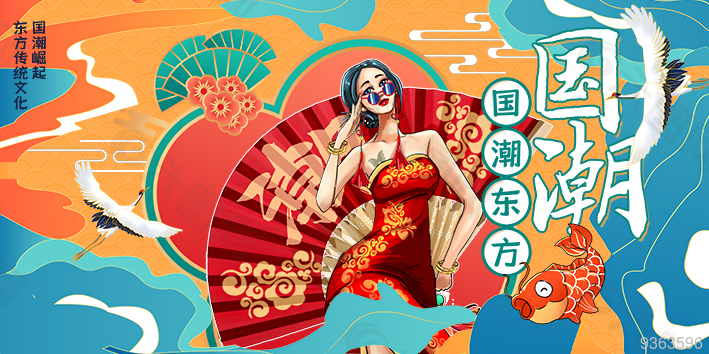
“Guochao” (国潮) represents the rise of Chinese cultural confidence: the celebration of heritage, craftsmanship, and localized identity. Brands that successfully participate in guochao do so through:
- genuine cultural references
- partnerships with long-standing Chinese institutions
- thoughtful reinterpretations of tradition
HOKA x Zhongyaotang fits perfectly within this movement.
The collaboration wasn’t a gimmick—it honored a respected cultural symbol while elevating it with modern branding.
This allowed HOKA to position itself as a brand that respects Chinese culture rather than simply selling to Chinese consumers.
6. A Hyper-Localized Strategy Few Foreign Brands Attempt
Most global brands localize through simple tactics:
- translating marketing copy
- collaborating with Chinese influencers
- offering region-exclusive SKUs
But HOKA went further by collaborating with a deeply local brand tied to Chinese health culture. It wasn’t just localization—it was cultural participation.
In China’s increasingly competitive sportswear market, brands like Nike and Adidas have dominated through celebrity partnerships and lifestyle campaigns. HOKA needed a different angle to stand out.
A heritage pharmacy collab delivered exactly that. It differentiated HOKA as a brand that listens, learns, and integrates into Chinese cultural narratives.
7. Community Engagement Through Storytelling
The campaign leaned heavily on storytelling—both online and offline. RED creators and runners documented:
- their personal experience visiting Zhongyaotang
- how the collaboration symbolizes holistic wellness
- the creative fusion of modern athletic wear and TCM traditions
HOKA also tapped into running communities, encouraging conversations around balancing physical performance with recovery and internal well-being.
This approach helped reinforce the collaboration’s core message:
Movement is medicine.
The storytelling extended beyond product—it connected with values and lifestyle.
8. Offline Activation: Where the Collaboration Truly Shined
In China, offline pop-ups are essential for immersive brand storytelling. HOKA’s physical displays mimicked old-style Chinese pharmacies, complete with herbal décor, antique-inspired signage, and wooden apothecary drawers.
This created a sensory environment where consumers could:
- see the fusion of old and new
- take aesthetic photos
- learn about the story behind the collaboration
- feel part of a cultural moment
These immersive retail experiences play exceptionally well online, fueling further social buzz.
9. The Collaboration Gave HOKA a Cultural Edge Over Competitors
HOKA’s popularity has been rising worldwide thanks to maximalist comfort and strong performance technology. But in China—where the running market is growing fast and major brands fight for visibility—HOKA needed a unique cultural foothold.
The Zhongyaotang collab gave the brand:
- cultural relevance
- authentic local credibility
- viral social visibility
- strong positioning within China’s wellness trends
- differentiation from Western competitors
It positioned HOKA as a brand that belongs in China’s cultural landscape—not just another global shoe brand entering the market.
10. Why the Collaboration Worked (Marketing Takeaways)
The success of the HOKA x Zhongyaotang collection highlights key lessons for brands entering China:
Cultural immersion beats surface-level localization
Chinese consumers reward brands that genuinely understand culture, heritage, and symbolism.
Unexpected crossovers spark conversations
Pairing performance running with TCM created intrigue and viral potential.
Aesthetic storytelling fuels Chinese social commerce
RED users amplify visually appealing, culturally relevant campaigns organically.
Heritage collaborations tap into the guochao movement
Local nostalgia and national pride shape modern buyer behavior.
Wellness is becoming a lifestyle—and a marketing bridge
The fusion of health, tradition, and performance resonates strongly with younger Chinese audiences.
HOKA’s strategy shows that deep cultural insight can be a brand’s strongest competitive advantage in China.
Conclusion: A Collaboration That Shows the Future of Brand Localization in China
HOKA x Zhongyaotang isn’t just a product release—it’s a blueprint for how global brands can succeed in China’s culturally rich and fast-changing market.
It demonstrates that true localization is more than translating copy or launching Chinese New Year editions. It requires:
- understanding cultural values
- partnering with meaningful institutions
- creating storytelling-led experiences
- and participating authentically in national identity trends
By embracing tradition rather than avoiding it, HOKA unlocked a new dimension of brand relevance in China.
This collaboration proves one thing:
In China, brands win when they respect culture, not replicate global playbooks.
