 The Marketer
When you think of the most successful fitness apparel brands in the world, giants like Nike or Adidas may come to mind. But over the last decade, one underdog brand rose from a garage startup in the UK to a global powerhouse valued at over $1 billion: Gymshark.
What makes Gymshark’s story so remarkable isn’t just its explosive growth—it’s how it achieved it. Unlike legacy brands that relied on big-budget ad campaigns and athlete endorsements, Gymshark built its empire by harnessing the power of influencer marketing long before it became mainstream.
Here’s how Gymshark turned everyday fitness enthusiasts into global ambassadors and created a playbook for modern brand building.
From Screen Printing in a Garage to Global Recognition

Gymshark was founded in 2012 by then-19-year-old Ben Francis and a group of friends. What started as a small operation making screen-printed fitness apparel quickly gained traction because Francis noticed something many traditional fitness brands had overlooked: the rise of fitness influencers on social media.
While Nike was sponsoring superstar athletes, Gymshark was sending free gear to YouTubers and Instagram creators who were documenting their fitness journeys online. These weren’t household names—they were relatable personalities with loyal, highly engaged followings. That authenticity became Gymshark’s secret weapon.
Why Influencers Worked Better Than Celebrities
Influencers helped Gymshark stand out because they spoke directly to the brand’s target audience: young, digital-native fitness enthusiasts. These creators weren’t polished celebrities; they were everyday people striving to improve themselves, making their endorsements feel genuine rather than transactional.
When an influencer wore Gymshark leggings in a workout video or posted about a new collection on Instagram, it resonated as a recommendation from a friend rather than an ad. This authenticity fueled trust, and in turn, conversions.
By leaning into micro and mid-tier influencers rather than A-list celebrities, Gymshark created an approachable brand image while tapping into niche communities that valued engagement over mass reach.
Building the Gymshark Athlete Program
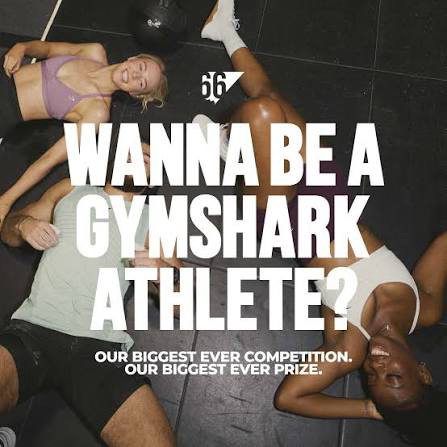
Perhaps the most pivotal move in Gymshark’s strategy was the creation of the Gymshark Athlete program. Instead of one-off collaborations, Gymshark built long-term relationships with influencers, treating them like partners in the brand’s growth.
These athletes—fitness creators who embodied the brand’s ethos—were featured in campaigns, events, and content. Their audiences became Gymshark’s audiences, and because these influencers were invested in the partnership, their promotions felt more like advocacy than advertising.
Over time, Gymshark Athletes became a hallmark of the brand, creating a sense of exclusivity. Fans wanted to wear what their favorite athlete wore, and aspiring influencers dreamed of becoming one themselves.
Harnessing Social Media as the Main Stage
Gymshark didn’t just use influencers—it built its entire ecosystem around social media. Instagram, YouTube, and later TikTok became the brand’s storefronts, marketing channels, and community hubs.
Instead of pushing products in a traditional retail setting, Gymshark focused on content-first marketing: workout tutorials, transformation stories, behind-the-scenes vlogs, and motivational posts. Products were always present but never the sole focus.
This strategy blurred the line between brand and community. Customers weren’t just buying leggings—they were buying into a lifestyle and an identity.
Events That Fueled the Community
Gymshark also extended its influencer strategy into real life through pop-up events and expos. These gatherings weren’t just about selling products—they were about connecting fans with their favourite Gymshark Athletes.
The energy of these events reinforced the sense of community, making Gymshark more than an apparel brand. It became a movement. Fans didn’t just want to wear the brand—they wanted to belong to it.
Scaling Without Losing Authenticity
One of Gymshark’s biggest challenges was maintaining authenticity as it scaled globally. Sending free apparel to influencers works at the beginning, but how do you replicate that at a billion-dollar level?
Gymshark’s answer was to double down on its influencer-first identity. Instead of transitioning to traditional advertising, the brand continued to invest in influencer relationships, content marketing, and community engagement. Even as campaigns became more polished, the brand stayed close to its grassroots DNA.
The launch of major collections and Black Friday sales became social media events, amplified by Gymshark Athletes rather than glossy magazine ads. This approach allowed Gymshark to retain the relatability that made it popular in the first place.
Lessons Marketers Can Learn from Gymshark
Gymshark’s meteoric rise offers a blueprint for how modern brands can leverage influencers effectively:
- Authenticity beats aspiration. Consumers respond more to relatable voices than to celebrity endorsements.
- Community drives loyalty. By creating the Gymshark Athlete program and hosting events, the brand built a tribe, not just a customer base.
- Social media is the storefront. Gymshark treated content as its primary marketing channel, ensuring products were integrated into experiences, not just ads.
- Long-term relationships matter. Building true partnerships with influencers creates advocacy, not transactions.
Final Thoughts
Gymshark’s journey from a small UK startup to a billion-dollar global brand proves the power of influencer marketing when it’s done authentically. While legacy brands chased big names and expensive ad buys, Gymshark invested in real people who could inspire and engage communities.
The result was not just rapid growth, but a cultural shift in how fitness apparel is marketed. Today, countless brands are trying to replicate Gymshark’s influencer-first model—but few can match the authenticity and community that made it work.
For marketers, the lesson is clear: if you want to build a brand people believe in, start with people they already trust. Gymshark didn’t just ride the influencer wave—it helped create it, and in doing so, it redefined what modern brand-building looks like.
