 The Marketer
If you’ve scrolled through social media, watched a commercial, or walked into a store lately, you may have noticed something familiar: the past is everywhere. From 90s-inspired ad campaigns to Y2K fashion revivals and remixed versions of old jingles, brands are leaning heavily into nostalgia marketing. Today, this strategy isn’t just a passing trend—it’s becoming one of the most powerful tools in the modern marketer’s playbook.
So why is nostalgia marketing booming right now? The answer lies in psychology, culture, and the unique dynamics of a post-digital, post-pandemic world.
What Is Nostalgia Marketing?
At its core, nostalgia marketing taps into positive memories from the past to build emotional connections with consumers today. Instead of simply pushing a product, brands use cultural references—whether through retro packaging, callbacks to iconic ads, or revivals of beloved characters—to spark feelings of comfort and familiarity.
It’s not about selling something entirely new. It’s about reminding people of what they already love—and showing them that your brand is part of that story.
Why Nostalgia Works in 2025
1. Emotional Connection in an Uncertain World
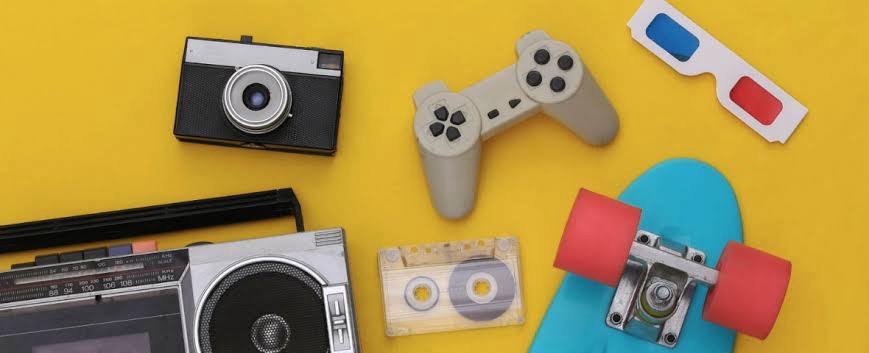
The last few years have been turbulent, from global economic uncertainty to rapid advances in AI that are reshaping how we live and work. In this environment, people crave stability and familiarity. Nostalgia provides that safe emotional anchor. Seeing a product or ad that reminds you of childhood instantly sparks joy and reduces anxiety.
2. The Rise of Gen Z and Gen Alpha Consumers
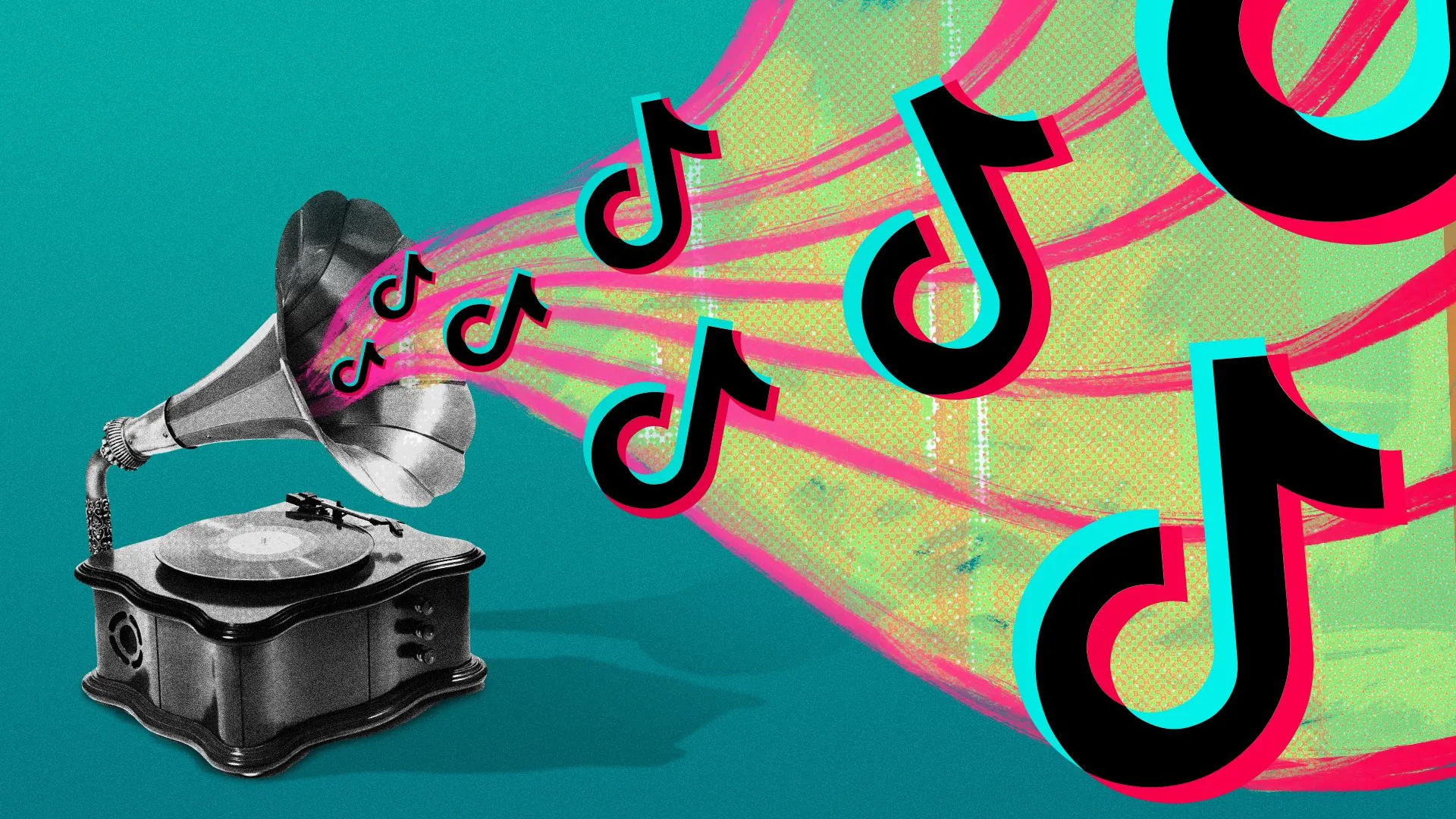
While millennials often get credited as the “nostalgia generation,” Gen Z and even Gen Alpha are driving its current popularity. They may not have lived through the 80s or 90s, but they consume retro aesthetics through TikTok, fashion trends, and music revivals. For younger audiences, nostalgia is less about personal memory and more about aesthetic exploration—they embrace the past as “new” culture.
3. The Power of Social Media Virality
Nostalgic content performs incredibly well online. A meme referencing a 2000s cartoon or a TikTok featuring a throwback hit song can instantly go viral, giving brands organic reach. In fact, nostalgia often becomes shareable content currency, because people love saying, “Remember this?” and tagging their friends.
4. Legacy Brands Reinventing Themselves
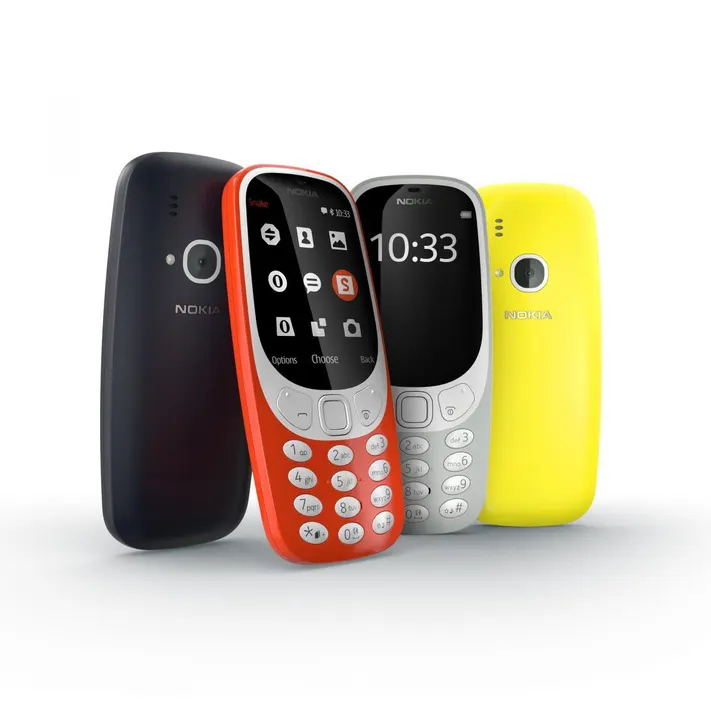
Established brands are using nostalgia to stay relevant. Think McDonald’s adult Happy Meals, Pepsi’s retro logo redesign, or Nokia’s relaunch of its iconic brick phone. By blending heritage with modern trends, these companies attract older consumers while sparking curiosity among younger ones.
Case Studies: Nostalgia Done Right
McDonald’s and the Adult Happy Meal
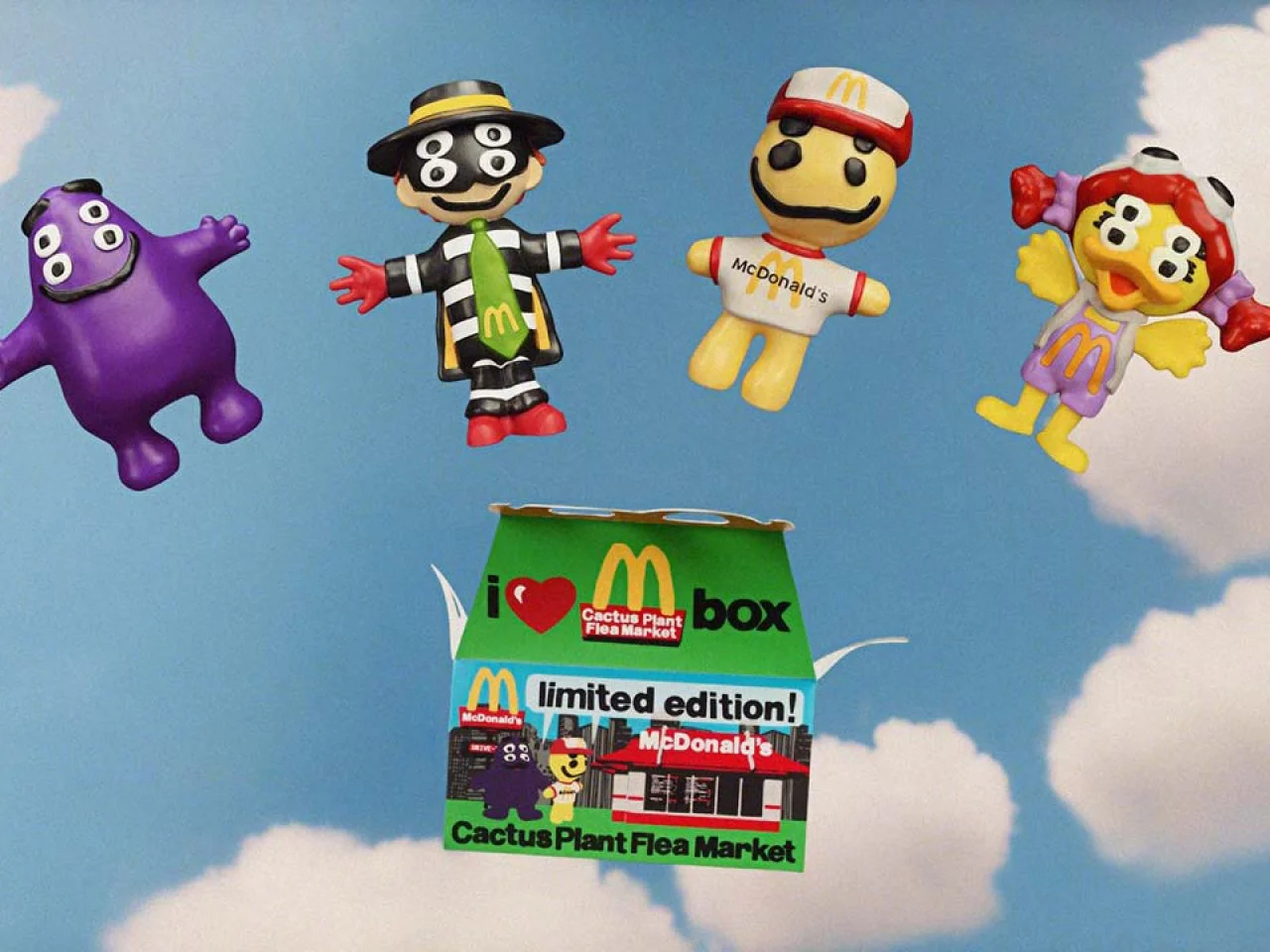
In 2022, McDonald’s tested adult Happy Meals in collaboration with streetwear brand Cactus Plant Flea Market. By 2025, variations of this campaign have become recurring fan-favorites, blending fast food with collectible culture. The strategy works because it bridges childhood memories with adult purchasing power.
Nintendo’s Evergreen Power
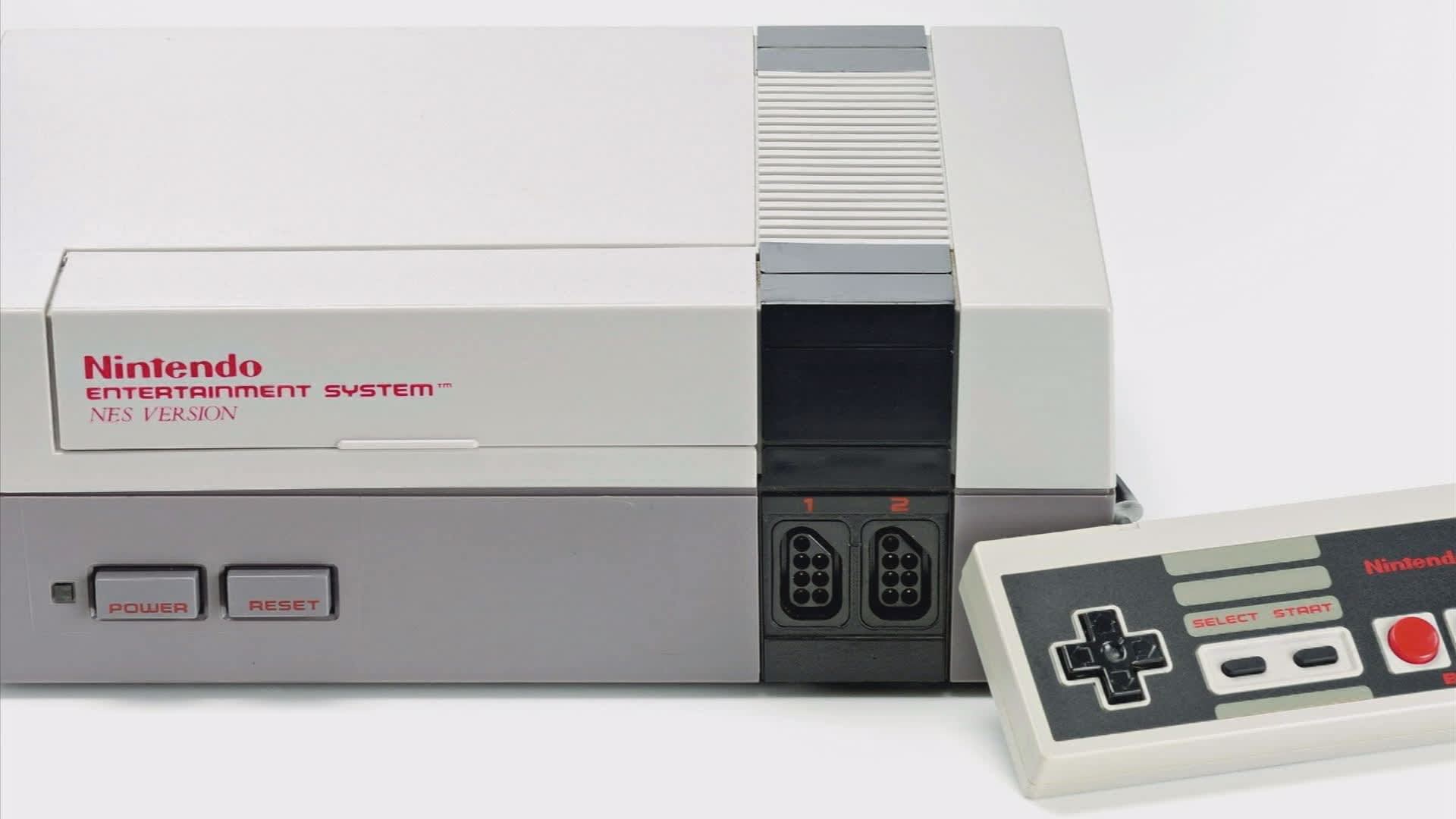
Nintendo has mastered nostalgia by continually reinventing classics. From re-releases of retro consoles to games like The Legend of Zelda: Tears of the Kingdom, the brand keeps fans emotionally hooked while onboarding new generations.
Fashion’s Y2K Resurgence

Luxury houses and streetwear brands alike are leaning into Y2K aesthetics—low-rise jeans, metallics, and rhinestones. For millennials, it’s a blast from the past. For Gen Z, it’s a chance to experience an era they never lived through.
Pepsi’s Logo Rebrand
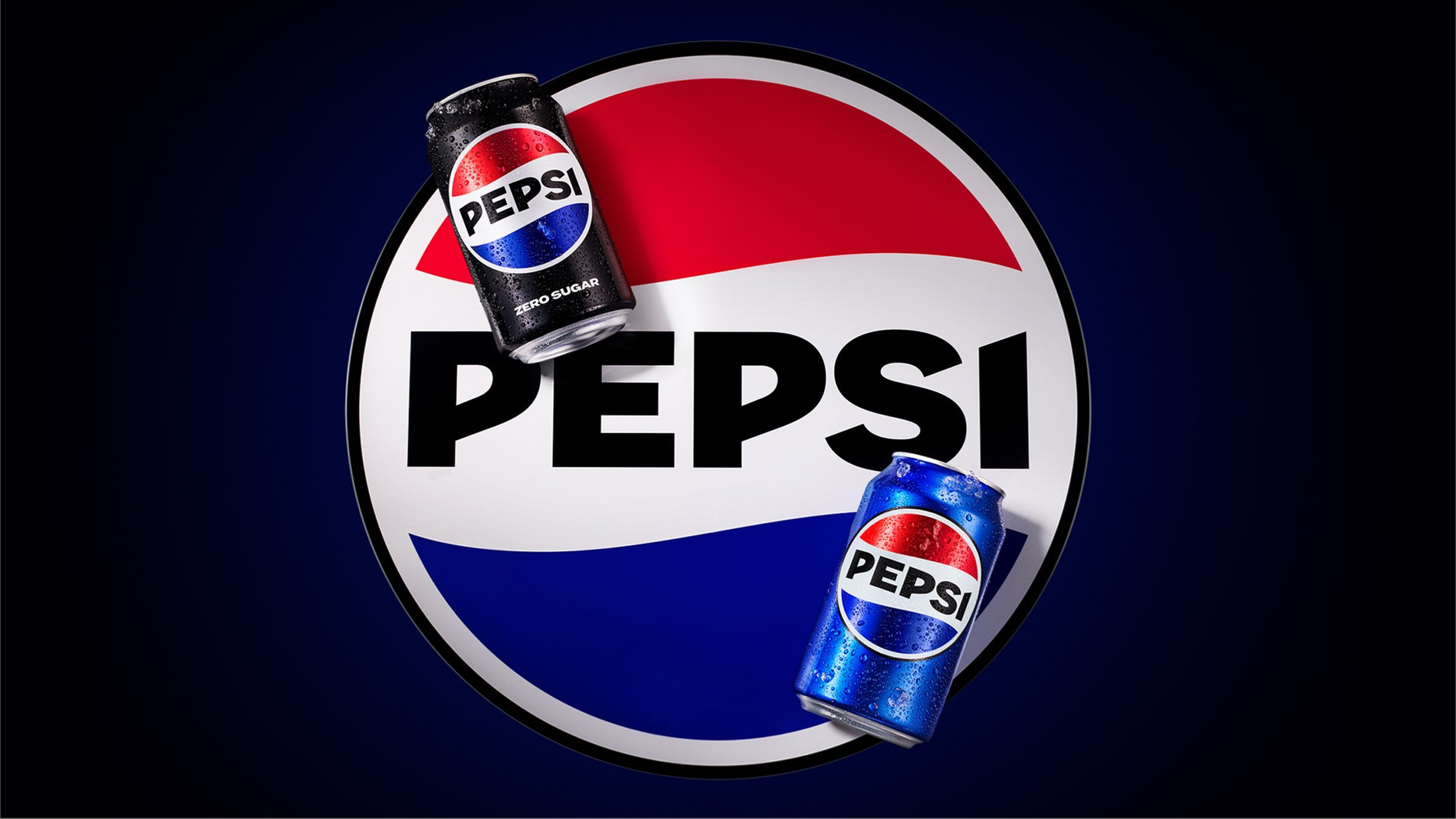
Pepsi’s 2023 retro-inspired logo leaned heavily on the company’s 80s/90s visual heritage, showing how nostalgia can modernize a brand while honoring its legacy. The redesign became an internet talking point, boosting brand visibility.
Why Nostalgia Marketing Converts
Unlike traditional ads, nostalgia marketing leverages emotion over persuasion. When consumers feel emotionally attached, they are:
- More likely to share content with friends.
- More willing to pay premium prices for limited-edition reissues.
- More engaged with campaigns that “feel” authentic.
This explains why brands across industries—from gaming and fashion to FMCG and tech—are investing in retro-inspired strategies. It’s not just about clicks; it’s about building long-term emotional equity.
Pitfalls of Nostalgia Marketing
Of course, nostalgia marketing isn’t without risks. Some pitfalls include:
- Over-reliance on the past: Brands that lean too heavily on old imagery may look dated instead of innovative.
- Exclusionary tactics: Not all audiences share the same nostalgic references. A 90s throwback may resonate with millennials but mean nothing to Gen Alpha.
- Shallow execution: Consumers can sense when nostalgia is being used as a gimmick rather than an authentic connection.
The most successful campaigns balance nostalgia with innovation—using the past as inspiration, not a crutch.
The Future of Nostalgia Marketing
Looking ahead, nostalgia will continue to evolve, shaped by technology and cultural shifts:
- AI-Powered Throwbacks: Generative AI will make it easier for brands to recreate retro campaigns with modern twists, from deepfake commercials to personalized “time capsule” ads.
- Metaverse Memory Worlds: Brands may create immersive virtual experiences where consumers can “step back in time” and interact with retro products or environments.
- Cross-Generational Campaigns: Expect more campaigns designed to appeal simultaneously to parents and their kids, bridging generational gaps through shared nostalgic references.
In 2025 and beyond, nostalgia will remain powerful, not just as a look back—but as a lens for building the future.
Conclusion
Nostalgia marketing is booming because it taps into something timeless: our emotional desire for connection, comfort, and identity. In an uncertain, fast-changing world, the past feels safe, familiar, and meaningful. But nostalgia isn’t about getting stuck in yesterday—it’s about using the past to add value to the present.
The smartest brands understand this balance. They don’t just bring back old logos or re-release retro products—they weave nostalgia into stories that resonate across generations. Whether it’s through fashion, food, tech, or entertainment, nostalgia marketing isn’t just about remembering—it’s about reminding people why they loved you in the first place.
And in 2025, that love translates directly into loyalty.
