 The Marketer
Bubble tea—or boba, as it’s fondly called—has evolved from a Taiwanese street-side invention into a global beverage phenomenon. But nowhere is its influence stronger than in Asia, where bubble tea has moved beyond a drink into a cultural icon. With hundreds of brands competing for market share across Taiwan, China, Singapore, Malaysia, Thailand, Japan, and beyond, bubble tea chains have had to develop sharp, innovative marketing strategies to stand out.
The way these brands position themselves offers a masterclass in food and beverage marketing. From limited-edition collabs to digital-first campaigns, bubble tea chains demonstrate how local culture, technology, and consumer behavior shape modern F&B marketing in Asia.
The Role of National Identity and Local Culture
One of the biggest reasons bubble tea thrives across Asia is its ability to localize. While the drink’s origins are firmly rooted in Taiwan, each country adds its own twist. In Japan, flavors often lean toward subtle and seasonal—think matcha or sakura pearls—while in Thailand, chains frequently play with Thai tea bases.
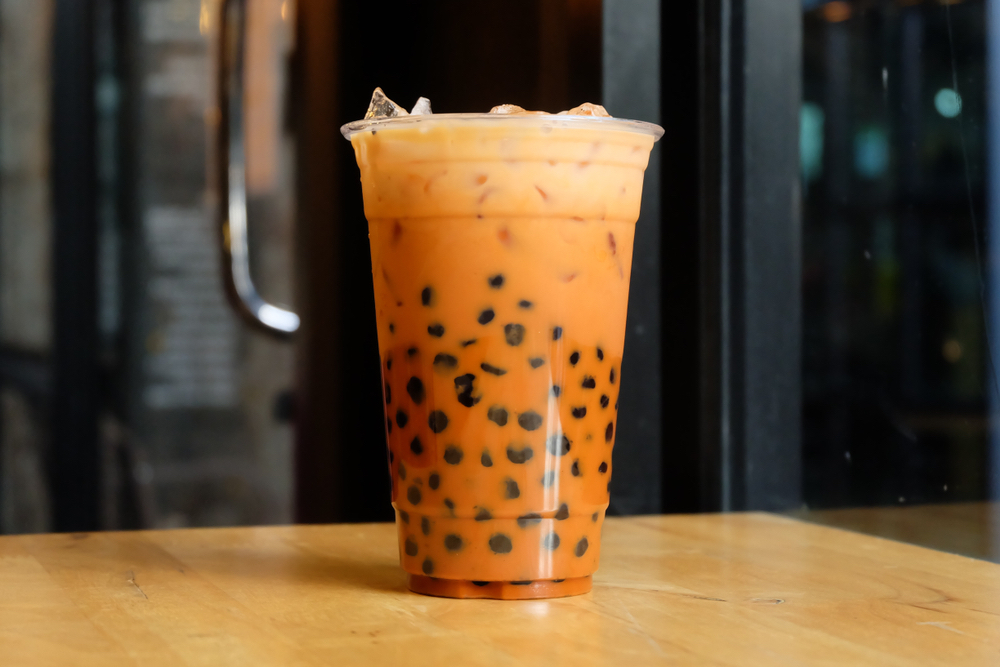
Singapore and Malaysia emphasize halal-friendly offerings, ensuring accessibility to wider demographics.
For marketers, the lesson is clear: local adaptation drives relevance. Successful bubble tea chains never take a one-size-fits-all approach. Instead, they study local tastes, dietary preferences, and cultural cues to create menus and campaigns that feel tailored, not imported.
Social Media as a Flavor Amplifier
If there’s one marketing channel that defines the rise of bubble tea chains in Asia, it’s social media. Instagram, TikTok, Xiaohongshu, and even WeChat have become the modern-day billboards of the bubble tea industry. Chains like The Alley and Tiger Sugar design drinks not just to taste good but to look photogenic—layered colors, swirling syrups, and oversized pearls all scream “share me.”
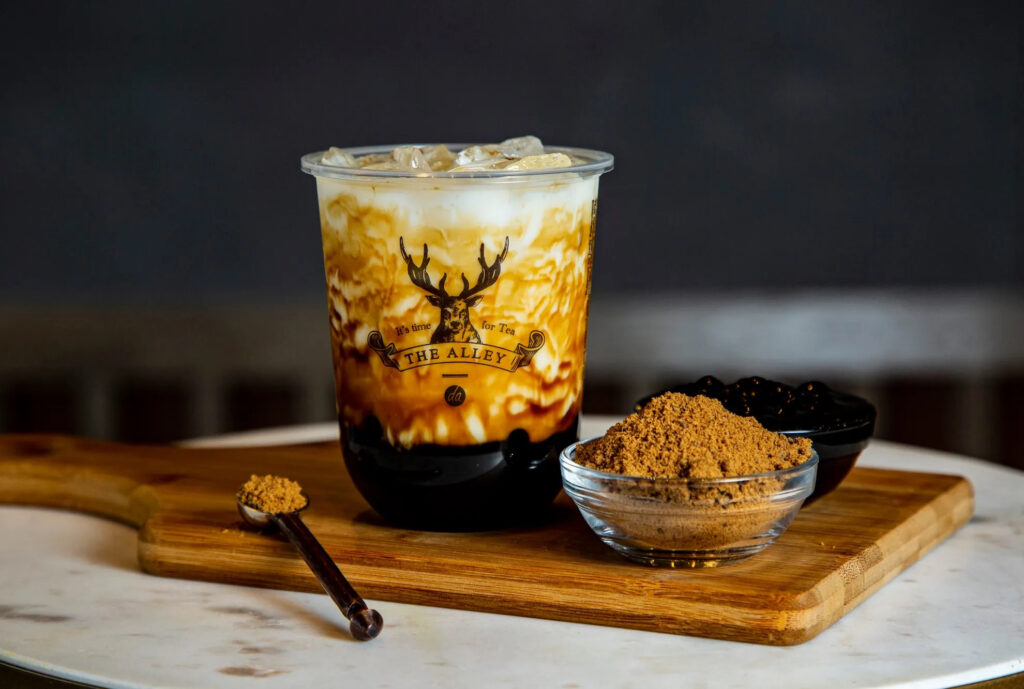
This creates a cycle of user-generated content where consumers essentially market the product for free. The hashtag #bobatea alone has millions of posts globally, much of it driven by Asian consumers eager to show off their latest drink. Bubble tea shops often design entire campaigns around this, encouraging hashtags, offering discounts for sharing, or releasing limited-time drinks that beg to be photographed.
Celebrity and Influencer Collaborations
Bubble tea chains have also embraced the power of influencer marketing.
In China, brands like Heytea have worked with local celebrities and KOLs (Key Opinion Leaders) to create massive hype around new store openings or flavor launches.

In Southeast Asia, partnerships with micro-influencers—often food bloggers and lifestyle creators—help chains reach hyper-local audiences with credibility.

The strategy here is smart: bubble tea sits at the intersection of food, lifestyle, and pop culture. By partnering with figures from these spaces, brands tap into communities that already see bubble tea as more than a drink—it’s a lifestyle accessory.
Scarcity and Limited Editions
Another marketing tactic bubble tea chains excel at is the use of scarcity marketing. Limited-time drinks, seasonal flavors, or city-exclusive releases keep consumers constantly curious. Heytea’s seasonal fruit teas in China, for example, often sell out within hours, creating a frenzy that boosts both sales and brand desirability.
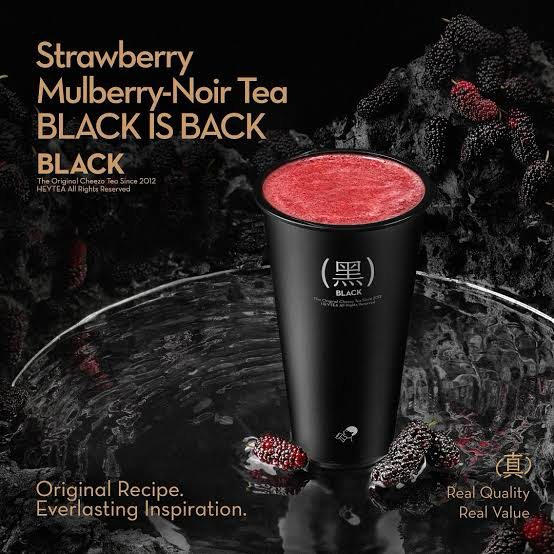
Scarcity marketing works particularly well in Asia’s F&B landscape because consumers value novelty. In densely populated urban markets, being among the first to try something new confers social currency—something bubble tea chains have turned into a powerful marketing lever.
Experiential Store Design
Walk into a bubble tea chain in Asia, and it’s often more than just a counter—it’s an experience. Brands like Nayuki in China have invested heavily in creating café-style environments that encourage customers to linger, take photos, and share the moment online.
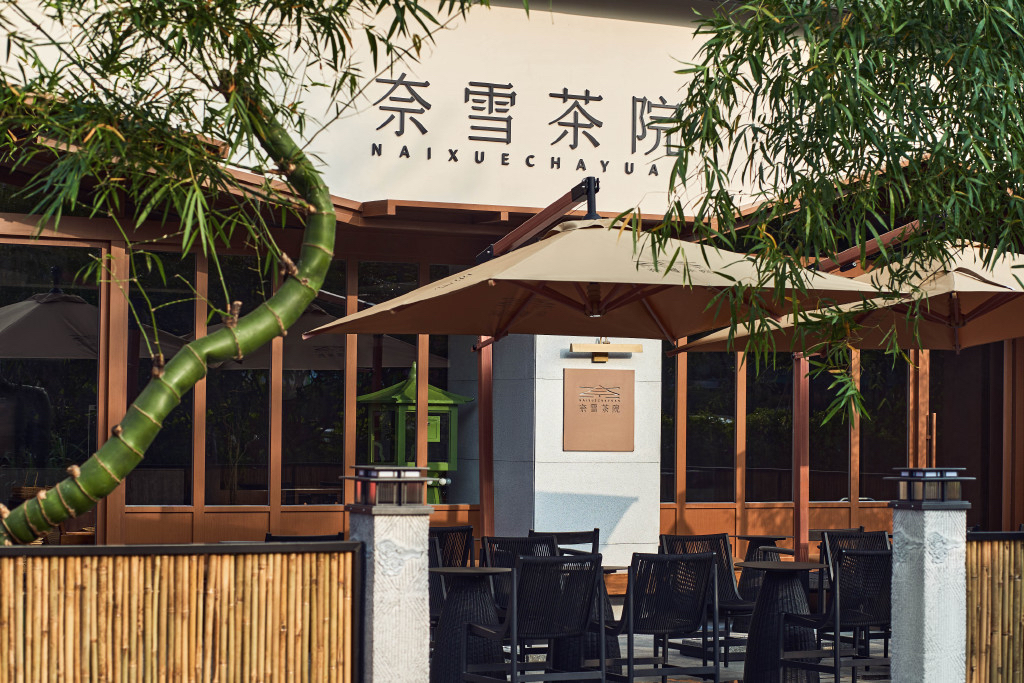
Meanwhile, Tiger Sugar’s “brown sugar tiger stripe” wall designs have become instantly recognizable, making the stores part of the brand identity itself.
The store becomes a brand theater, where the act of purchasing a drink feels like stepping into a mini-event. For marketers, this underscores the importance of thinking beyond product: the environment and experience can be just as critical in shaping brand perception.
Digital Integration and Loyalty Programs
Asia’s digital ecosystems are among the most advanced in the world, and bubble tea chains use them brilliantly. Many chains offer loyalty programs integrated into super apps like WeChat, Grab, or LINE, allowing seamless ordering, payment, and rewards collection.
In China, Heytea uses WeChat mini-programs for ordering and delivery, creating a fully digital journey that is frictionless and convenient.
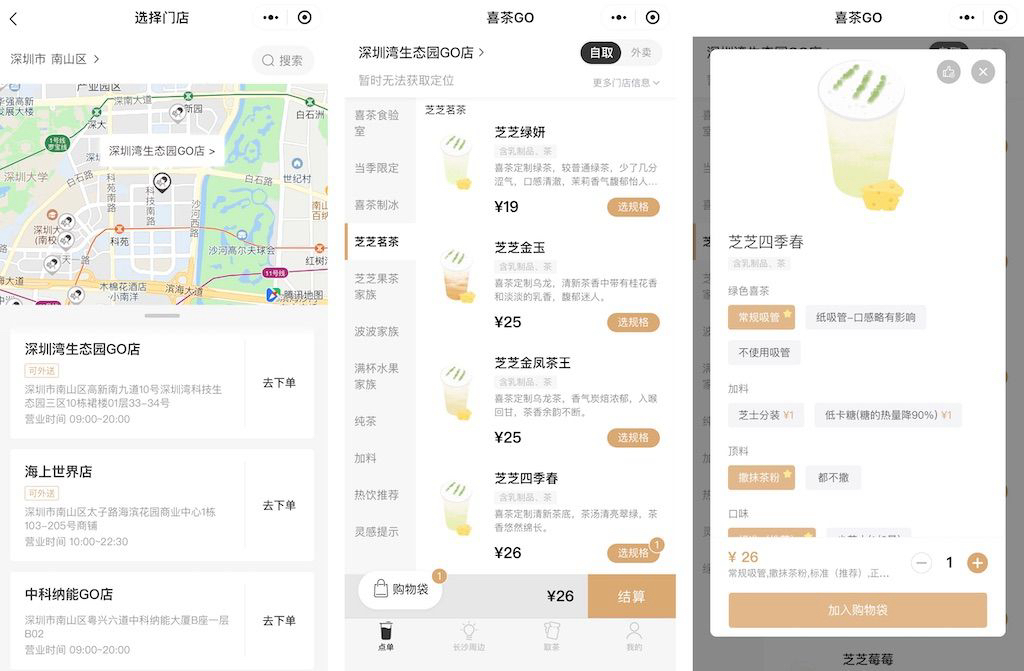
In Singapore, brands often integrate with GrabPay or Foodpanda to offer delivery promotions. By embedding themselves in platforms that consumers already use daily, bubble tea chains stay top of mind and within easy reach.
Competition as a Creative Catalyst
The bubble tea market in Asia is notoriously competitive. In cities like Taipei or Bangkok, you’ll find multiple bubble tea shops on the same street. Instead of diluting the market, this fierce competition fuels innovation. Brands are constantly experimenting with flavors, branding, and marketing campaigns to maintain differentiation.
For example, CoCo Fresh Tea & Juice launched “DIY topping” campaigns, letting customers customize their drinks in unique ways. Meanwhile, Sharetea leaned into nostalgia marketing, revisiting classic milk tea flavors with modern packaging. This constant reinvention keeps consumers engaged and prevents fatigue.
Final Thoughts
Bubble tea chains across Asia have elevated what might seem like a simple drink into a cultural and marketing powerhouse. Their success is built on a mix of local adaptation, social media amplification, influencer collaborations, scarcity-driven campaigns, and immersive store design.
The bigger picture is that bubble tea is not just a beverage—it’s a lifestyle statement, a social media moment, and a shared cultural experience. For marketers in the broader F&B industry, the rise of bubble tea offers a clear takeaway: in Asia, success lies in blending cultural authenticity with digital-first, experience-driven campaigns.
