 The Marketer
When it comes to global fashion, many instantly think of Paris, Milan, or New York. Yet, tucked away in the vibrant city-state of Singapore, a homegrown brand has rewritten the playbook of accessible luxury. Charles & Keith, once a modest footwear shop in Amara Shopping Centre, has grown into an international fashion powerhouse with stores across Asia, the Middle East, Europe, and even the U.S.
The brand’s journey from humble beginnings to becoming a global fashion icon is more than just a business success story—it’s a case study in smart positioning, bold innovation, and an unwavering understanding of consumer behavior. In this article, we’ll trace Charles & Keith’s rise, explore the strategies behind their international recognition, and uncover lessons marketers and entrepreneurs can learn from their journey.
Humble Beginnings: A Family Business with a Vision

Charles & Keith was founded in 1996 by brothers Charles and Keith Wong. The first store, located in Singapore’s Amara Shopping Centre, was not unlike countless other shoe retailers. However, what set the Wong brothers apart was their willingness to break away from the wholesale model common in the region at the time.
Instead of simply reselling mass-produced footwear, they decided to design their own shoes, tailoring collections to the tastes of Singaporean women. This shift was bold but strategic. By controlling the design process, Charles & Keith could respond quickly to emerging fashion trends and build a unique brand identity.
It was an early indicator of the entrepreneurial agility that would later propel them onto the global stage.
Crafting a Distinct Brand Identity
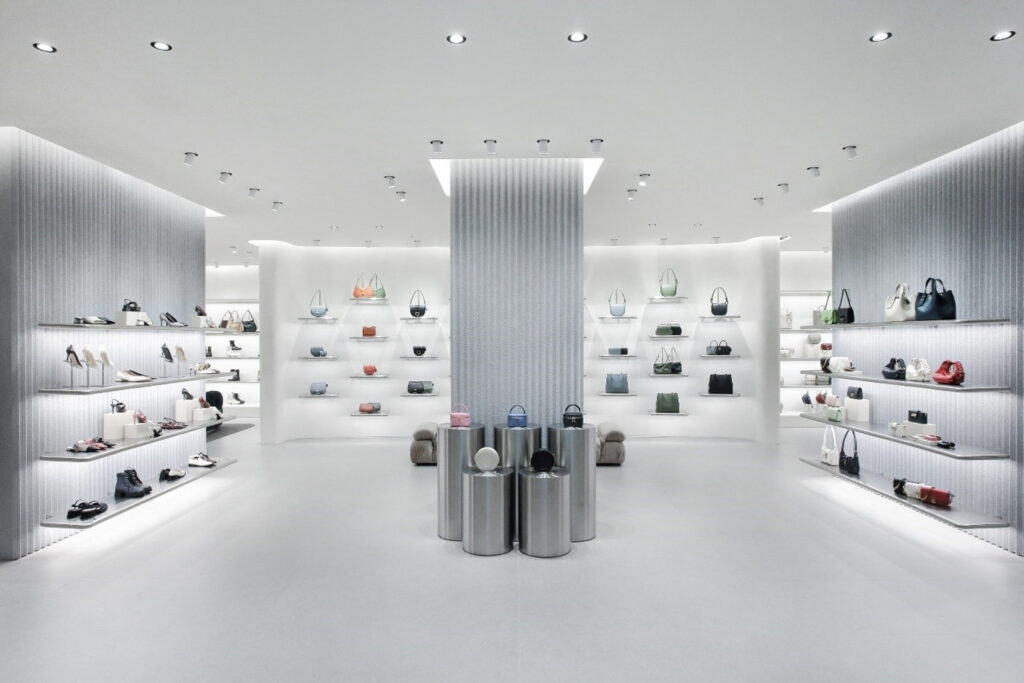
From the beginning, Charles & Keith positioned itself in the “accessible luxury” space. The brand offered stylish, trend-driven products at price points far lower than European luxury houses, but with an image far more aspirational than fast-fashion labels.
This balance struck a chord with middle-class, fashion-conscious consumers across Asia, especially young women who wanted style without breaking the bank.
The Wong brothers understood something many regional retailers overlooked: aspiration is a universal motivator. By investing in branding, store aesthetics, and sleek packaging, Charles & Keith made shoppers feel like they were buying into a lifestyle—not just a pair of shoes.
Going Digital Before It Was Trendy
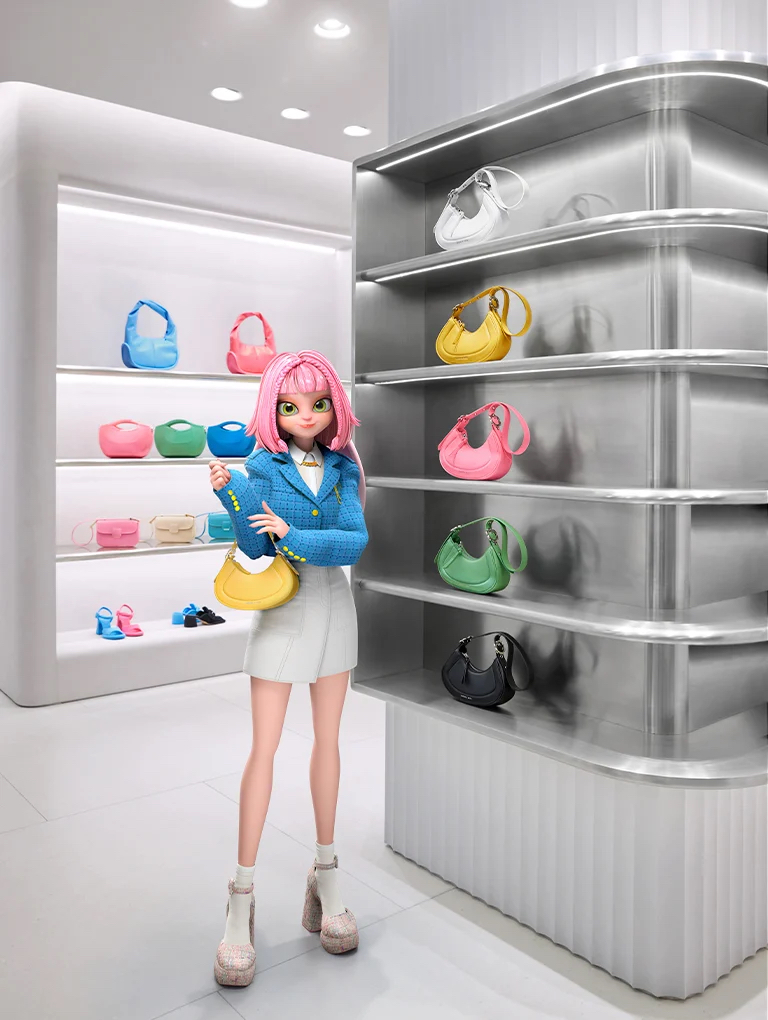
Charles & Keith was one of the first Singaporean fashion retailers to embrace e-commerce. Launching their online store in 2004, they were ahead of the curve in tapping into the digital shopping revolution. This early adoption paid off, especially in markets where brick-and-mortar expansion was slower or costlier.
The brand didn’t just stop at an e-commerce presence. They leaned into social media marketing, building communities on Facebook and later Instagram. By highlighting style inspiration, lookbooks, and influencer partnerships, Charles & Keith positioned themselves as digitally savvy and globally connected.
In today’s retail landscape, that may seem obvious—but in the early 2000s, it was a pioneering move.
Strategic Expansion Across Asia
International expansion began in 2000 with their first overseas store in Indonesia, signaling that the brand’s ambitions stretched far beyond Singapore. Over the next two decades, Charles & Keith expanded rapidly across Asia and the Middle East, regions with burgeoning middle classes and a hunger for aspirational fashion.
Key to their success was understanding cultural nuances. For example:
- In conservative markets like the Middle East, Charles & Keith adapted collections with modesty in mind.
- In China, the brand leaned into digital platforms like WeChat and Tmall, meeting consumers where they shopped online.
- In Southeast Asia, the focus was on affordability and accessibility, aligning with rising consumer purchasing power.
Rather than exporting a one-size-fits-all identity, the brand balanced local adaptation with global consistency—a hallmark of successful international players.
The Power of Fashion-Forward Design
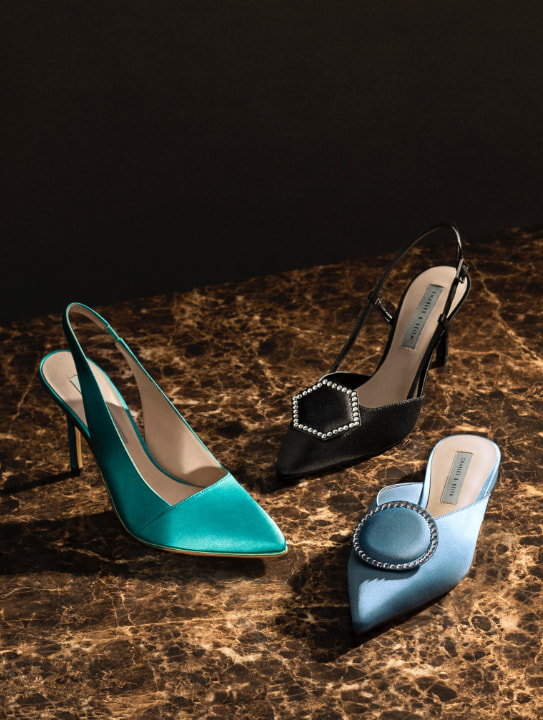
While affordability was a cornerstone of their appeal, Charles & Keith understood that design drives desire. The brand invested in in-house design teams, ensuring collections were always trend-responsive but still wearable for everyday consumers.

Seasonal campaigns mirrored those of luxury houses, showcasing not just products but aspirational lifestyles. Their signature handbags and shoes became Instagram staples, proof that the brand was not merely riding trends but actively shaping them.
Collaborations That Boosted Cultural Relevance

In recent years, Charles & Keith has also leaned into collaborations and cultural partnerships to amplify its brand presence. Collaborations with local artists, limited-edition product lines, and tie-ins with social causes have helped the brand stay culturally relevant and appeal to younger generations.
One standout moment came in 2022, when Singaporean teenager Zoe Gabriel went viral for calling a Charles & Keith bag her “first luxury bag.” The brand embraced the moment, inviting her as a special guest at events and highlighting inclusivity in luxury. The move resonated deeply with Gen Z consumers who valued authenticity and relatability over elitism.

This ability to turn cultural moments into brand-building opportunities shows the agility that defines modern marketing excellence.
Backing from LVMH: A Vote of Confidence
In 2011, LVMH’s private equity arm, L Catterton Asia, acquired a 20% stake in Charles & Keith. This was a pivotal moment for the brand, as it not only validated its business model but also provided financial muscle for global expansion.
With LVMH’s backing, Charles & Keith gained credibility in the international fashion community. It also benefited from operational expertise, supply chain insights, and expanded access to markets where European players dominated.
This partnership demonstrated that global luxury leaders recognized the brand’s potential—not just as a regional player but as a legitimate competitor on the world stage.
Sustainability as the Next Frontier
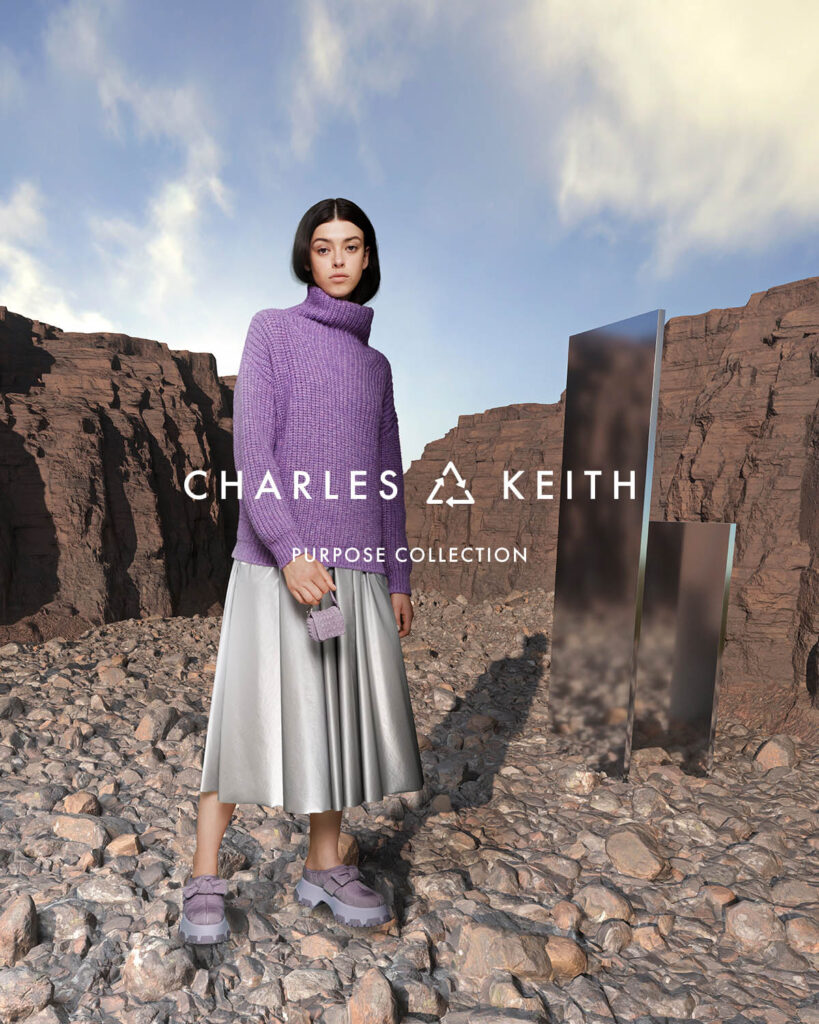
In recent years, Charles & Keith has stepped up efforts in sustainability, aligning with global consumer demand for responsible fashion. Initiatives include:
- Introducing recycled materials into collections.
- Promoting eco-friendly packaging.
- Highlighting repair and reuse initiatives to encourage longer product lifecycles.
While still early in their sustainability journey, these steps show that Charles & Keith is not just chasing trends but adapting to the long-term shifts shaping consumer expectations.
From Shoes to Lifestyle Brand
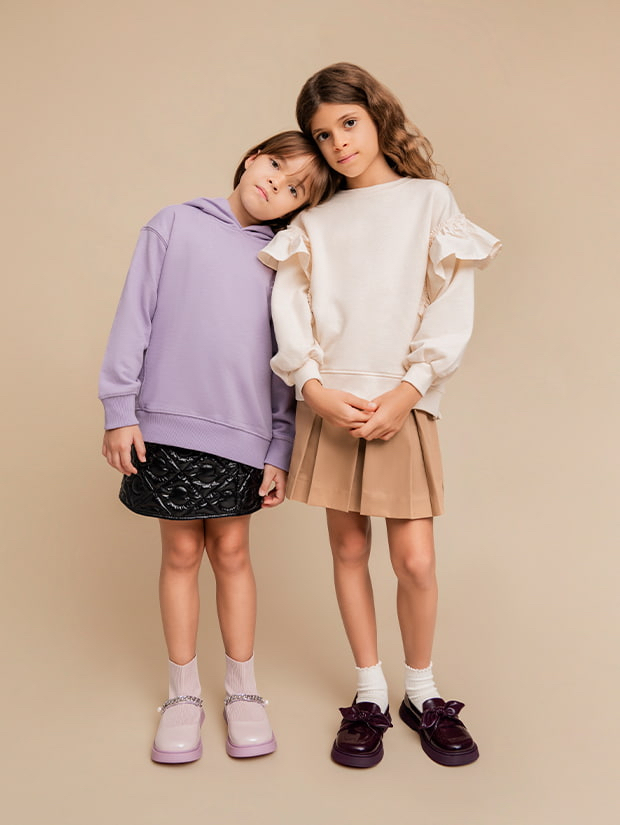
What began as a shoe retailer has since expanded into a full-fledged lifestyle brand. Charles & Keith now offers handbags, accessories, and even children’s collections, reinforcing its positioning as a go-to destination for accessible fashion.
This diversification has allowed the brand to compete not just with mid-tier footwear brands, but with global lifestyle players like Zara and H&M, while maintaining a more premium image.
Marketing Lessons from Charles & Keith
The brand’s rise offers rich takeaways for marketers and entrepreneurs worldwide:
- Own Your Identity
Charles & Keith defined itself early as accessible luxury, carving out a niche that wasn’t oversaturated in Asia. - Be Digitally Bold
By embracing e-commerce and social media before competitors, the brand built a global community of loyal customers. - Balance Global and Local
Consistency in branding with sensitivity to local culture allowed Charles & Keith to thrive across diverse markets. - Cultural Relevance Wins
From collaborations to viral moments, the brand has mastered the art of staying relevant to Gen Z and millennial consumers. - Think Beyond Products
By expanding into bags, accessories, and lifestyle concepts, Charles & Keith built resilience and diversified revenue streams.
The Road Ahead
Today, Charles & Keith boasts more than 600 stores across the globe and a thriving e-commerce business that reaches consumers in over 70 countries. As it steps further into the international spotlight, the brand faces challenges from both established luxury players and emerging digital-native brands.
However, with its strong foundation in accessible luxury, forward-thinking digital strategies, and growing sustainability initiatives, Charles & Keith is well-positioned to remain a global icon of modern fashion retail.
Final Thoughts
The story of Charles & Keith is more than just a business case—it’s an inspiring narrative of how a small Singaporean start-up transformed into an internationally recognized fashion name. By blending design agility, digital savvy, cultural sensitivity, and aspirational branding, the company not only carved a niche but also redefined what Asian brands can achieve on the world stage.
In many ways, Charles & Keith represents the future of global fashion: accessible, digitally connected, culturally relevant, and proudly rooted in its heritage. For entrepreneurs and marketers alike, their journey is a reminder that the next global icon could be born anywhere—even from a small shoe shop in Singapore.
Country-by-Country Breakdown: Charles & Keith’s Strongest Global Markets
While Charles & Keith is headquartered in Singapore, its influence extends far beyond Southeast Asia. Each market tells a story of adaptation and growth—proof of the brand’s agility in navigating diverse consumer landscapes.
China: Digital Powerhouse
China is one of Charles & Keith’s most important international markets. The brand has a strong presence on platforms like Tmall, JD.com, and WeChat, ensuring it meets consumers on their preferred digital channels. The emphasis here is on trend-driven collections at accessible price points, appealing to the country’s young middle-class consumers who crave aspirational yet affordable fashion. Offline, Charles & Keith’s physical stores in cities like Shanghai and Beijing highlight immersive brand experiences, aligning with China’s appetite for experiential retail.
Indonesia: The First Overseas Venture
Indonesia holds a special place in Charles & Keith’s history as its first international expansion market in 2000. With its large population and growing middle class, Indonesia was the perfect testing ground. Here, affordability and accessibility are key drivers of success, with the brand positioned as stylish yet attainable. Its early entry also cemented brand loyalty, giving Charles & Keith a first-mover advantage over other regional competitors.
The Middle East: Aspiration Meets Modesty
In countries like the UAE, Saudi Arabia, and Qatar, Charles & Keith has successfully tapped into demand for aspirational fashion with modest design adaptations. Collections often include products suited to more conservative dressing styles while maintaining a modern aesthetic. The sleek in-store experience also resonates strongly with Middle Eastern shoppers, where malls are cultural hubs and luxury-inspired retail environments carry enormous weight.
South Korea: Fashion-Forward Consumers
In South Korea, Charles & Keith benefits from the country’s fast-paced, fashion-driven consumer base. South Koreans value trend alignment, influencer culture, and social media presence, all of which the brand executes well. Collaborations and local campaigns ensure relevance, while the aspirational yet accessible positioning fits neatly into Korea’s competitive mid-market fashion space.
Japan: Minimalism Meets Quality
Japanese consumers are known for valuing craftsmanship, quality, and minimalist aesthetics. Charles & Keith resonates by offering products that blend international trends with Japanese sensibilities around design and simplicity. The brand’s expansion into Japan also helps reinforce its global credibility, as success in this market is often seen as a validation of brand quality.
Europe: Competing with Fast Fashion
In Europe, Charles & Keith entered more cautiously, as the market is crowded with strong players like Zara, Mango, and H&M. However, its emphasis on aspirational branding at affordable price points allows it to carve out a niche among style-conscious young professionals. Cities like London and Paris are not just retail locations—they act as brand-building outposts, signaling that Charles & Keith belongs in the global fashion conversation.
The United States: A Growing Digital Presence
In the U.S., Charles & Keith has fewer physical stores, but its online presence is steadily expanding. The brand appeals to American consumers who are increasingly open to international fashion labels, especially those offering trend-led designs at mid-tier prices. Here, the challenge is differentiation in a highly saturated market, but digital-first strategies and collaborations with influencers are paving the way for growth.
