 The Marketer
Fine dining has never been just about food. It’s about the orchestration of flavours, atmosphere, and service into a single, unforgettable experience. But in today’s competitive hospitality landscape, crafting prestige isn’t only achieved on the plate—it’s achieved through storytelling.
For fine dining restaurants, marketing cannot simply be transactional. It must create an aura of exclusivity, romance, and artistry that elevates a dinner reservation into a cultural event. Storytelling is the secret ingredient that transforms a restaurant into a brand, a meal into a memory, and a customer into a lifelong advocate.
Why Storytelling Matters in Fine Dining
Prestige doesn’t come from price tags alone. Consumers at the high end want to feel part of something rare and meaningful. Storytelling does three things that traditional marketing cannot:
- Builds Emotional Connection – Guests aren’t just eating a dish; they’re experiencing the chef’s journey, the provenance of ingredients, and the legacy of a culinary tradition.
- Signals Exclusivity – Through curated narratives, restaurants position themselves as more than eateries—they become destinations worth traveling for.
- Creates Shareable Moments – In the age of Instagram and TikTok, a story-rich experience gives diners material they’re eager to capture and share, extending the restaurant’s reach far beyond the dining room.
The Foundations of Fine Dining Storytelling
1. The Chef as Protagonist
Every fine dining story begins with the chef. Michelin-starred restaurants often highlight the culinary philosophy and personal background of their leaders. Whether it’s a chef returning to their grandmother’s recipes or pioneering sustainable gastronomy, the human element elevates the cuisine.
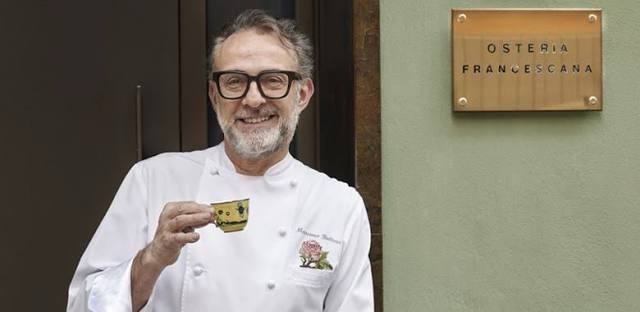
Take Massimo Bottura of Osteria Francescana. His storytelling is as iconic as his dishes, weaving narratives of Italian tradition, art, and innovation. Diners don’t just eat—they become part of Bottura’s creative manifesto.
2. The Origin of Ingredients
Prestige thrives on provenance. Guests are enchanted when they learn their oysters are sourced from a centuries-old coastal farm or their beef comes from a rare heritage breed. By showcasing ingredient origins, fine dining restaurants create stories that justify their exclusivity and reinforce authenticity.
3. The Experience Beyond the Plate
Fine dining isn’t a two-hour meal—it’s a curated journey. The design of the space, the pacing of courses, the choice of music, even the scent in the air—all contribute to the narrative. Marketing that emphasizes this choreography helps guests imagine themselves immersed in a world where every detail is intentional.
4. Heritage Meets Innovation
Prestige is often found in balance: reverence for tradition, paired with a daring leap into the future. Highlighting how a restaurant respects its cultural roots while reinterpreting them for modern diners provides a compelling storyline that resonates with luxury consumers.
Channels for Storytelling in Fine Dining Marketing
Digital Storytelling
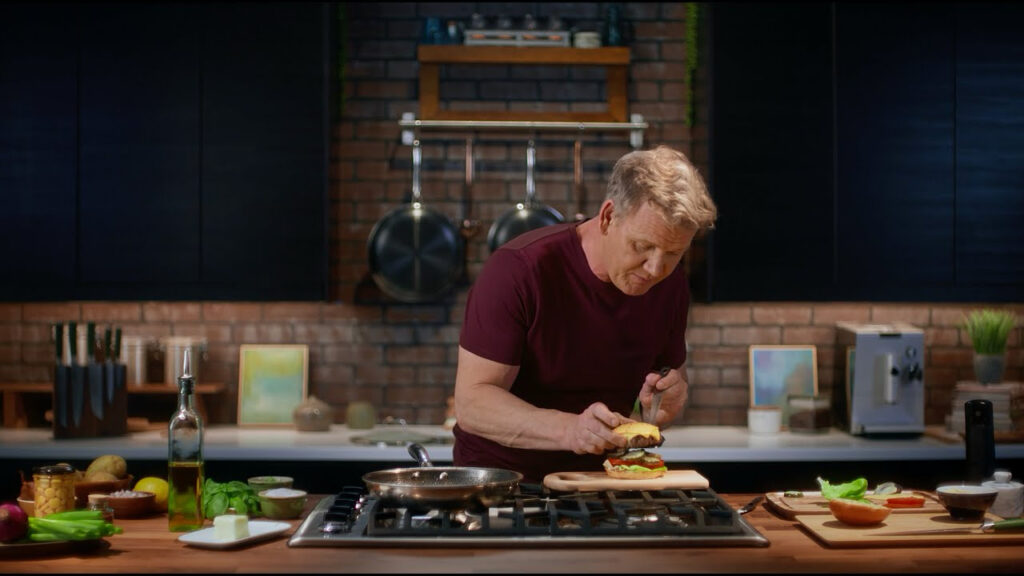
- Social Media – Platforms like Instagram serve as digital tasting menus, showcasing both the artistry of dishes and behind-the-scenes narratives.
- Video Content – Short films or chef-led series can capture the emotion of creation, humanizing the brand and deepening audience connection.
Experiential Storytelling
- Exclusive Events – Private tastings, wine pairings, and chef’s table experiences turn diners into insiders with a story to tell.
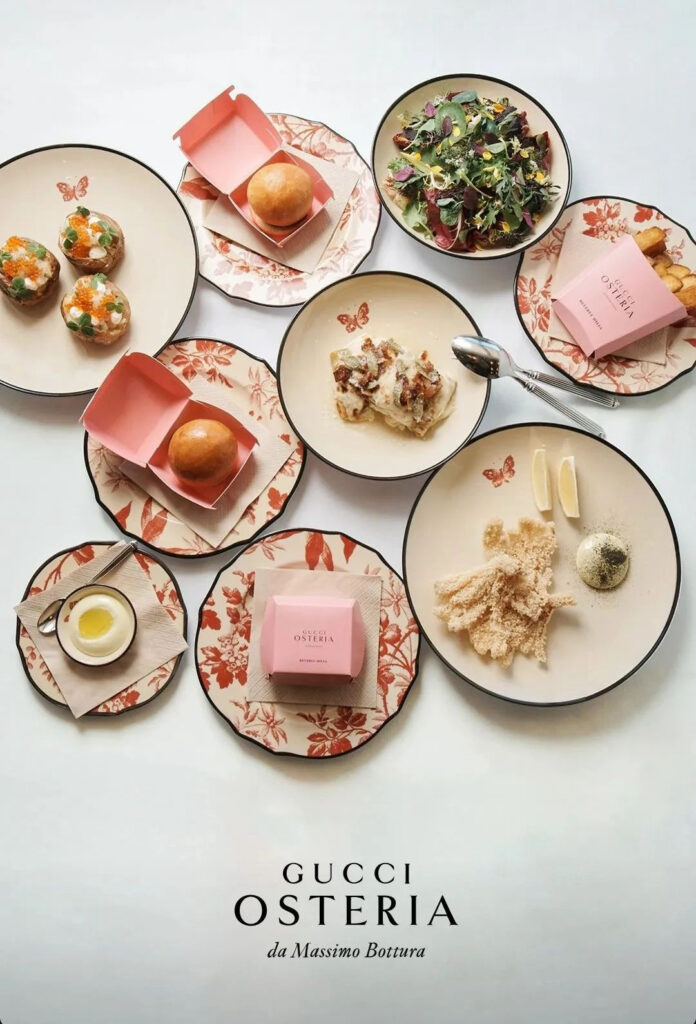
- Collaborations – Partnering with luxury brands in fashion, art, or design extends prestige by association and creates cross-industry narratives.
Media and PR
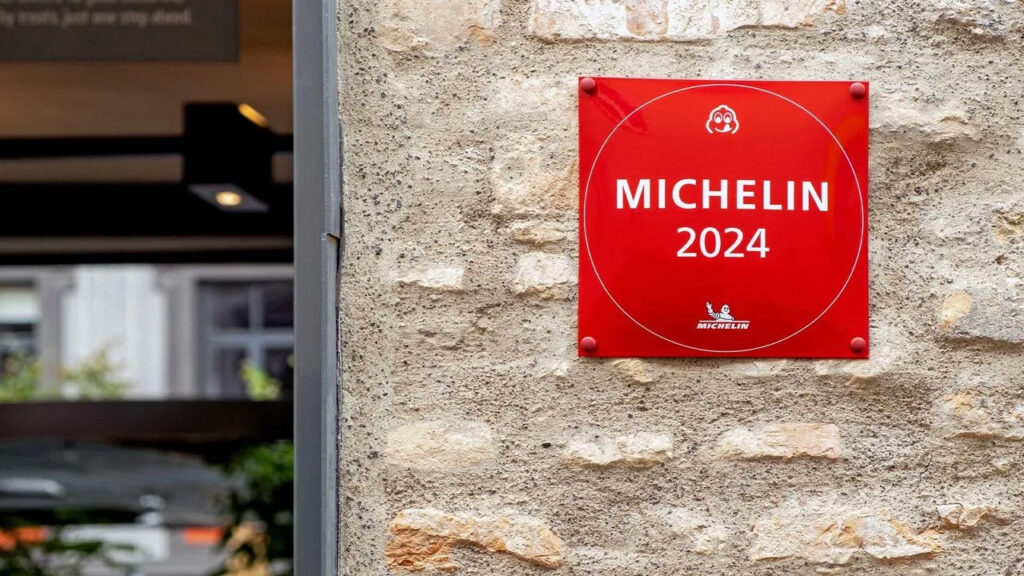
- Press Features – A New York Times or Michelin Guide feature doesn’t just validate; it amplifies storytelling through credibility.
- Awards and Recognition – Publicizing accolades through carefully crafted stories frames the restaurant as a leader in the cultural conversation.
The Psychology of Prestige Through Storytelling
Why does storytelling elevate prestige? It taps into deep psychological drivers:
- Belonging: Guests feel part of an elite community by engaging with a story others don’t have access to.
- Identity: Dining at a prestige restaurant allows people to align themselves with values like artistry, sustainability, or innovation.
- Memory: A great story makes the experience unforgettable—and repeatable. Diners return because the narrative is as satisfying as the food.
Examples of Storytelling in Action
Noma (Copenhagen)
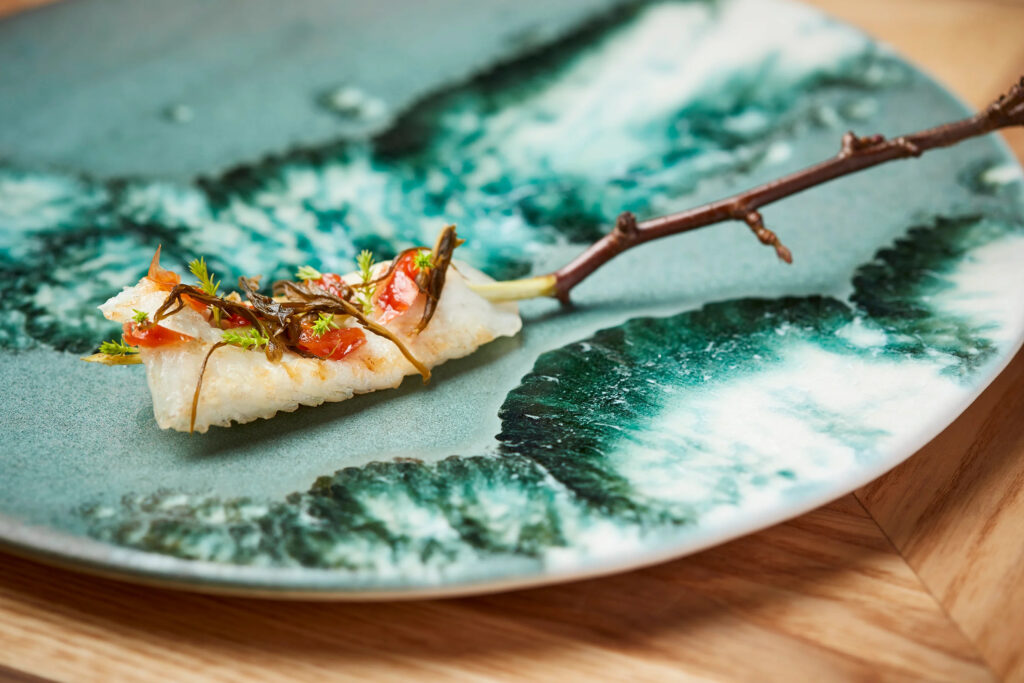
René Redzepi turned foraging into a global phenomenon by narrating his exploration of Nordic landscapes. Noma’s story is less about a menu and more about a philosophy—reinventing what it means to eat regionally.
Eleven Madison Park (New York)
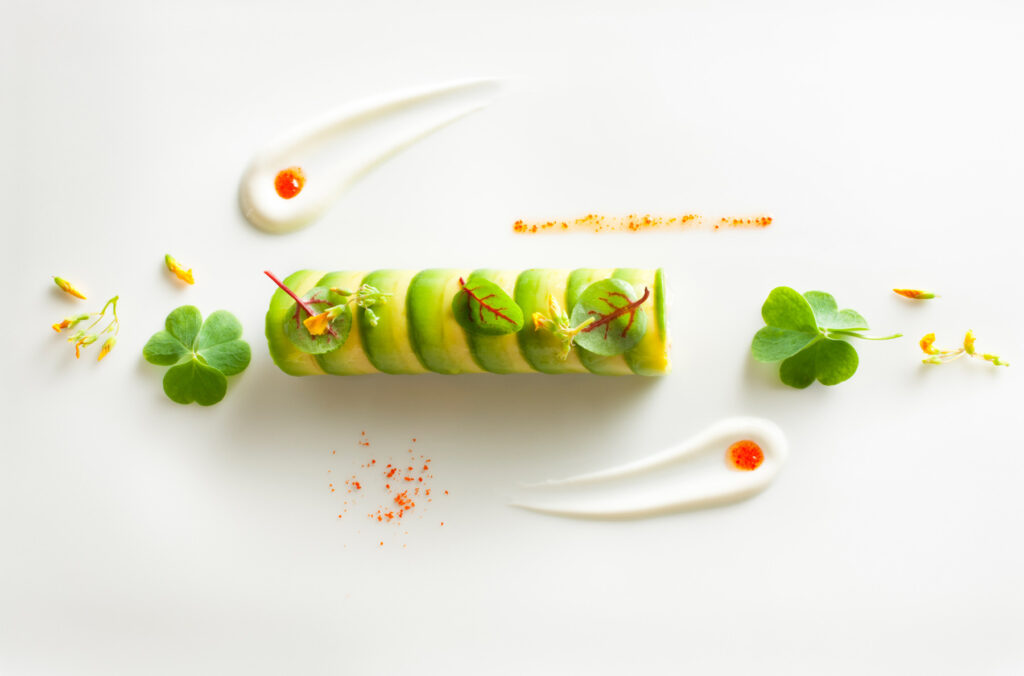
When Eleven Madison Park pivoted to a fully plant-based menu, it wasn’t just a menu change—it was a story about sustainability, responsibility, and reimagining fine dining for the future.
Alain Ducasse at The Dorchester (London)
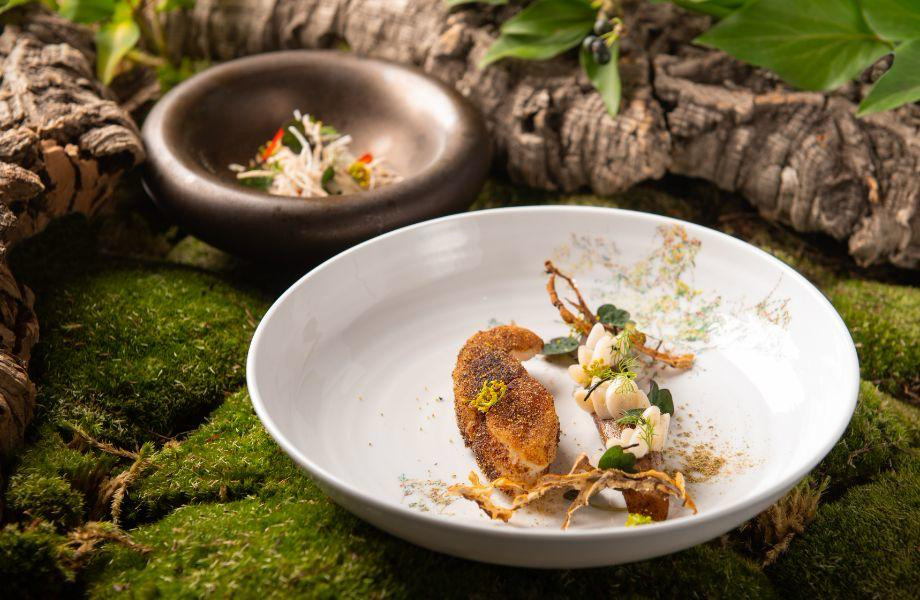
Ducasse’s storytelling leans heavily on French culinary heritage, emphasizing tradition while delivering world-class refinement. The prestige is rooted in cultural legacy.
How Restaurants Can Implement Storytelling Today
- Develop a brand narrative that extends beyond cuisine: What does your restaurant stand for? Why do you exist? Train staff to act as narrators, weaving ingredient origins and chef philosophies into conversations naturally.
- Use digital platforms to share micro-stories: a photo of a local farmer, a video of a pastry being perfected, a quote from the chef.
- Curate guest touchpoints—from reservation emails to menu design—that reinforce the overarching narrative.
The Future of Fine Dining Marketing
In 2025 and beyond, prestige dining will increasingly rely on immersive, multi-sensory storytelling:
- AR/VR Experiences may allow guests to “visit” a vineyard or farm virtually while enjoying a meal.
- Personalized Storytelling powered by AI could tailor narratives to each guest’s cultural background or dining history.
- Cross-Disciplinary Collaboration will expand, with fine dining intersecting with music, fashion, and art to tell richer stories.
In this future, prestige won’t be defined by price or exclusivity alone—it will be defined by the depth and authenticity of the story a restaurant tells.
Conclusion
Fine dining marketing is not about selling tables; it’s about crafting prestige. And prestige is built through storytelling that resonates emotionally, culturally, and personally. From chefs’ journeys to ingredient origins and immersive experiences, the best restaurants elevate dining into narrative art.
As competition intensifies, those who master the art of storytelling will not only attract attention but also earn lasting admiration. Because in fine dining, the most memorable flavor is the story itself.
