In the crowded world of beauty, few brands have disrupted the industry quite like Glossier. Launched in 2014 by Emily Weiss, the once–millennial darling of skincare and makeup didn’t just sell products—it pioneered a direct-to-consumer (DTC) strategy that rewrote the rules of modern beauty marketing.
While many beauty brands leaned on celebrity endorsements, department store counters, and flashy ad campaigns, Glossier took a different path: building a brand with its customers, not just for them. This approach made Glossier more than a cosmetics company—it became a community-driven movement.
So, what exactly made Glossier’s DTC strategy stand out? Let’s break it down.
1. Building a Brand Through Community First

Unlike traditional beauty giants, Glossier didn’t launch with a huge product lineup. Instead, it started as a blog—Into the Gloss—where Emily Weiss interviewed beauty insiders and everyday consumers about their routines.
By listening to real people before creating products, Glossier ensured its DTC business model was grounded in customer insight. Fans felt heard, included, and invested in the brand’s journey from day one.
Marketing takeaway: Community isn’t just an audience—it’s the foundation for product development and brand advocacy.
2. Customer Co-Creation
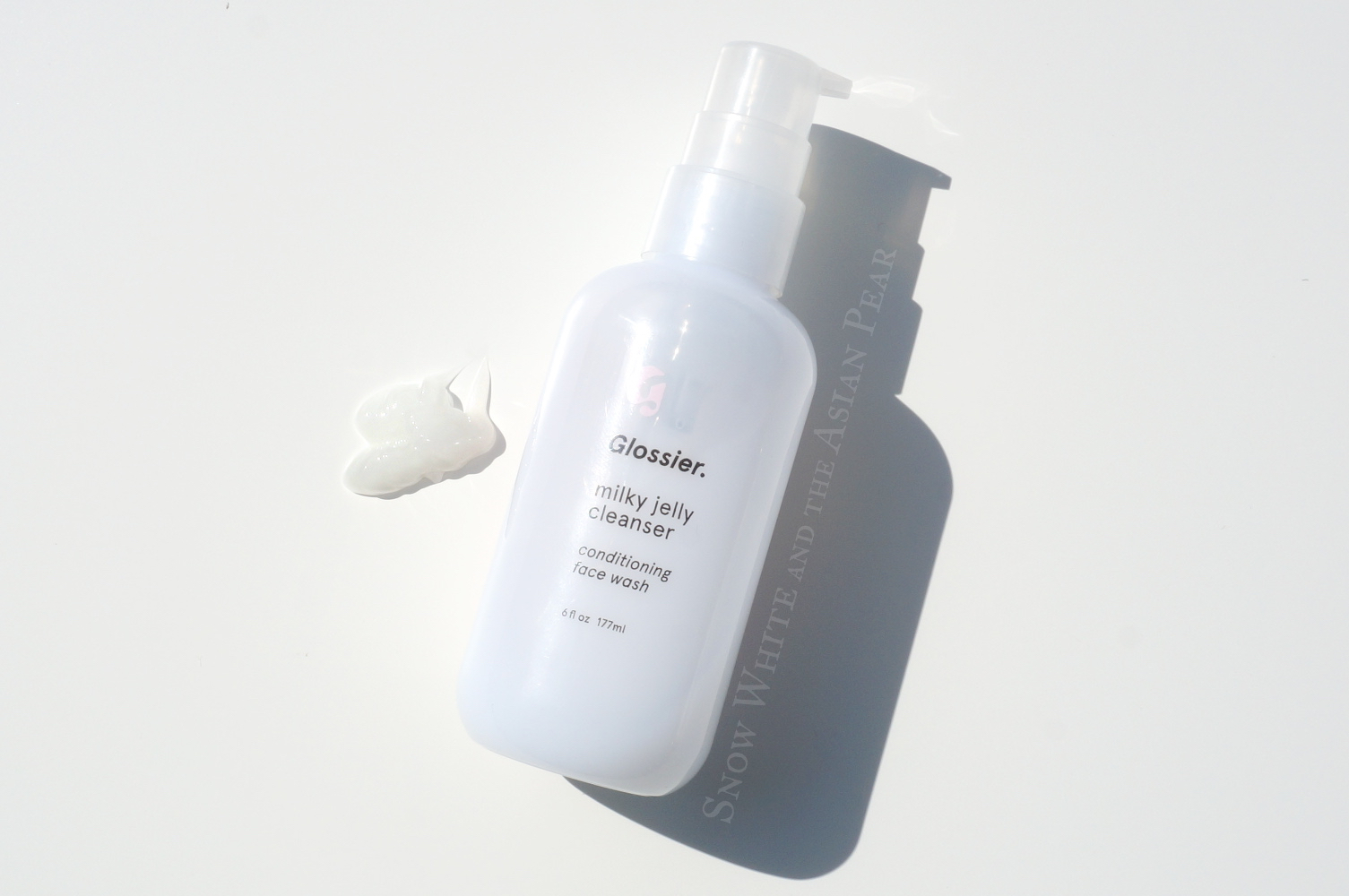
Glossier didn’t dictate trends; it asked customers what they wanted. Its cult-favorite products like Milky Jelly Cleanser and Boy Brow weren’t born from boardroom brainstorms but from feedback, surveys, and conversations with its community.
By making fans part of the creative process, Glossier transformed its customers into loyal ambassadors. They weren’t just buying makeup—they were helping shape the brand.
Marketing takeaway: In DTC, customer feedback is more than data—it’s a growth engine.
3. Minimalist Branding With Maximum Impact

Glossier products came in soft pink packaging, clean fonts, and playful stickers. Instead of the glamorous, aspirational imagery common in beauty marketing, Glossier leaned into approachability and simplicity.
Its aesthetic was instantly Instagrammable, turning every product into a content opportunity. Customers weren’t just using Glossier—they were photographing and sharing it, effectively becoming unpaid marketers.
Marketing takeaway: Make your products social-media-ready. Design and packaging can double as organic marketing tools.
4. A Digital-First, DTC Model
While legacy beauty brands relied heavily on retail distribution, Glossier thrived online. Its website and social channels weren’t just storefronts—they were spaces for storytelling, customer engagement, and direct relationships.
By cutting out middlemen, Glossier maintained full control over branding, pricing, and customer data—something traditional retailers couldn’t match.
Marketing takeaway: DTC isn’t just about selling online—it’s about owning the full customer relationship.
5. Influencers Without the “Influencer”

Instead of hiring celebrity ambassadors, Glossier leaned on everyday people as its influencers. Customers became models, featuring in campaigns and on the brand’s Instagram.
This democratized beauty, making Glossier feel authentic and accessible. Customers didn’t just see models in ads; they saw themselves.
Marketing takeaway: Relatability often outperforms aspirational marketing in the DTC era.
6. Word-of-Mouth as the Growth Engine

Glossier rarely relied on traditional advertising. Instead, it built a viral buzz through word-of-mouth and social proof. From unboxing experiences (pink bubble wrap pouches, fun stickers) to hashtags like #GlossierPink, everything about the brand was designed to be shared.
Marketing takeaway: Your best marketing channel may not be ads—it might be your customers.
7. Pop-Ups That Reinvented Retail


Though primarily digital-first, Glossier used pop-up shops and later flagship stores to bring its brand to life offline. These weren’t just retail spaces—they were immersive experiences, designed for selfies, community-building, and extending the digital culture into the real world.
By making retail about experience, not just transactions, Glossier deepened emotional connections with its customers.
Marketing takeaway: Even in a DTC model, offline experiences can strengthen brand loyalty.
8. Authentic Brand Voice
Glossier’s tone was casual, friendly, and approachable—like chatting with a best friend about skincare. This was a stark contrast to the polished, authoritative voice of legacy beauty companies.
The authenticity resonated, especially with Millennials and Gen Z, who crave brands that feel human.
Marketing takeaway: Voice matters. Brands that sound authentic create stronger emotional bonds.
9. Data-Driven Personalization
Because Glossier operated directly with its customers, it had access to valuable data—preferences, purchase history, and behavioral insights. This allowed the brand to personalize communication, improve retention, and refine product development.
Marketing takeaway: Data is a DTC brand’s most valuable asset. Use it to create smarter marketing and better products.
10. Exclusivity Through Scarcity
Glossier often launched products in limited quantities or through waitlists. This scarcity fueled hype and urgency while reinforcing the brand’s aspirational edge. Customers who managed to snag new releases felt part of an “in-crowd.”
Marketing takeaway: Exclusivity isn’t just for luxury brands—scarcity creates desire at any price point.
Lessons Other Brands Can Learn from Glossier
Glossier’s rise offers several key lessons for DTC brands across industries:
- Listen first, sell second – Community should shape the brand, not the other way around.
- Make products shareable – Design, packaging, and branding should encourage organic promotion.
- Own the customer relationship – DTC success is about control over experience and data.
- Prioritize authenticity – Today’s consumers want brands that feel real, not corporate.
- Blend online and offline worlds – Retail can still matter if it’s experiential, not transactional.
Final Thoughts
Glossier’s DTC strategy was groundbreaking because it flipped the beauty marketing playbook upside down. Instead of dictating trends, it listened. Instead of pushing products through retail, it built direct relationships online. Instead of celebrity endorsements, it turned customers into its best marketers.
While the brand has faced challenges in recent years, its early strategy remains a case study in how to build a cult following in the digital age. The essence of its success was simple: community first, commerce second.
For any brand looking to thrive in the DTC world, Glossier’s story is a reminder that authenticity, customer inclusion, and direct relationships are the ultimate competitive edge.