
Artificial Intelligence (AI) has transformed the advertising industry. From automated ad targeting and predictive analytics to image generation and personalized recommendations, AI has made marketing faster, smarter, and more scalable. Yet beneath this technological brilliance lies a growing ethical dilemma: AI may not just reflect human biases — it can amplify them.
As brands increasingly rely on AI-driven campaigns, the risk of reinforcing harmful stereotypes in advertising becomes more than just a theoretical concern. It’s a real-world issue that affects representation, inclusivity, and brand integrity. In this article, we’ll explore how AI bias emerges, the subtle ways it shapes marketing narratives, and what brands can do to ensure that progress doesn’t come at the expense of diversity.
The Promise and Problem of AI in Advertising
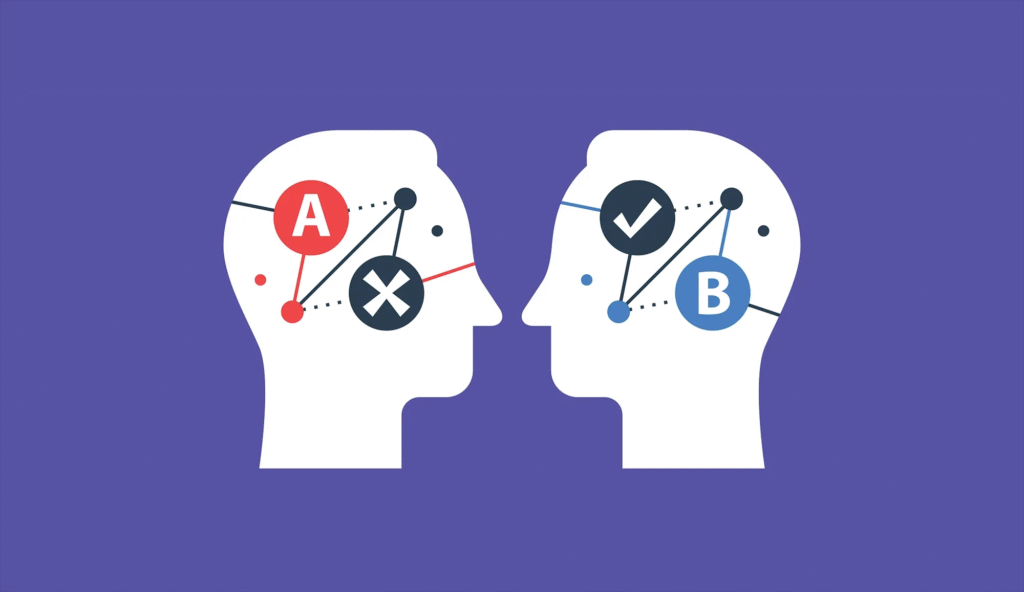
AI promised a revolution in creativity and efficiency. Algorithms could analyze millions of data points, identify patterns, and predict consumer behavior faster than any human team. Marketers rejoiced — finally, data-driven decisions without guesswork.
But what happens when the data itself is biased?
AI systems learn from historical information — and that information often carries the biases of the past. For example, if an algorithm trains on decades of advertising imagery that primarily features men in leadership roles or women in domestic settings, it may unconsciously replicate those patterns.
Instead of challenging stereotypes, AI risks repackaging them as “data-driven truth.”
How AI Reinforces Bias in Marketing Content
AI bias can manifest at multiple stages of the marketing process — from audience targeting to creative execution. The problem is not malicious intent, but inherited prejudice embedded in data and design.
1. Ad Targeting Bias
AI targeting tools often profile audiences based on behavior and demographics. However, if past marketing data overrepresented certain groups or ignored others, the algorithm might exclude marginalized demographics from campaigns.
For example, an AI system trained to promote luxury products might disproportionately show ads to men — not because women aren’t interested, but because the historical data associates higher spending with male users.
2. Stereotypical Image Generation
With the rise of generative AI platforms like Midjourney, DALL·E, and Adobe Firefly, marketers can now create visuals in seconds. But when prompted with vague instructions like “a CEO giving a presentation,” AI models often generate images of white men in suits, revealing how deeply stereotypes are baked into training data.

This perpetuates a limited worldview — one where leadership, beauty, and success are still narrowly defined.
3. Language and Copywriting Bias
Even AI writing tools can replicate stereotypes through language. For instance, AI might describe products for women with terms like “soft,” “gentle,” or “delicate,” while those for men use words like “strong,” “bold,” or “powerful.”
Subtle linguistic patterns like these reinforce gendered narratives that shape consumer perception.
4. Cultural Misrepresentation
AI models trained primarily on Western data may fail to capture cultural nuance. When used in global campaigns, this can lead to tone-deaf or even offensive representations of Asian, African, or Middle Eastern cultures. A simple oversight — such as clothing styles, skin tones, or cultural gestures — can alienate audiences instead of connecting with them.
Why AI Bias Is So Hard to Detect
Unlike human creatives, AI doesn’t have intent or awareness. It doesn’t “know” it’s being biased — it simply reflects patterns it has seen before. The problem is that bias in AI is often invisible until it causes harm.
Algorithms are black boxes; even the developers who build them can’t always explain why a system made a certain decision. This opacity makes it difficult for marketers to audit or question outputs. And because AI content is generated quickly, problematic patterns can spread at scale before anyone notices.
In short, AI doesn’t just accelerate marketing — it accelerates mistakes, too.
Real-World Examples of AI-Driven Bias
- Recruitment Ads Favoring Men: A few years ago, a major tech company discovered that its AI recruitment system favored male candidates because it had been trained on historical hiring data where men dominated technical roles. Similar logic can apply to ad distribution — where AI might serve certain job or education ads more often to men than women.
- Beauty Filters and Colorism: AI beauty filters have been criticized for lightening skin tones or promoting Eurocentric features. When used in ads or influencer campaigns, such tools subtly reinforce colorist and exclusionary standards of beauty.
- “Default” Assumptions in Creative Prompts: Generative AI tools often equate “nurse” with women, “doctor” with men, and “engineer” with people of a specific ethnicity. These stereotypes may seem small but collectively shape public perception of gender roles and professions.
The Ethical and Business Implications
Bias in AI-driven advertising isn’t just an ethical issue — it’s a business risk.
- Reputation Damage: In an age of social awareness, consumers quickly call out insensitive or exclusionary ads. A single biased AI-generated image or tone-deaf message can ignite viral backlash.
- Legal Concerns: With global discussions around AI regulation, discriminatory targeting or biased creative content could soon fall under scrutiny by regulators.
- Loss of Market Share: Excluding or misrepresenting groups alienates audiences, leading to lower engagement and lost brand loyalty.
Brands that fail to address AI bias risk not only moral criticism but also market irrelevance in an era that values inclusivity.
How Brands Can Prevent AI Bias
While AI bias can’t be eliminated entirely, it can be mitigated through thoughtful human oversight and ethical frameworks.
1. Audit Data Before Use
The foundation of fair AI begins with data. Brands should ensure their datasets represent a diverse range of genders, ethnicities, and cultures. This might require rebalancing data or supplementing it with inclusive sources.
2. Human Oversight in Creative Processes
AI should assist, not replace, human judgment. Creative directors and copywriters must review AI outputs for bias and tone before publishing. The goal is co-creation, not blind automation.
3. Diversity in Marketing Teams
A diverse team is more likely to catch problematic patterns others might overlook. Inclusion isn’t just about representation — it’s a safeguard against cultural insensitivity.
4. Ethical AI Partnerships
When selecting AI vendors or ad tech platforms, brands should evaluate their partners’ transparency, data sourcing, and bias mitigation protocols. Ethical AI isn’t just a moral stance; it’s a competitive differentiator.
5. Transparency With Consumers
As consumers become more aware of AI-generated content, transparency builds trust. Disclosing when AI assists in ad creation can help manage expectations and reduce backlash.
Learning from Early Adopters
Some brands are already setting the standard for ethical AI use:

L’Oréal has implemented AI systems that prioritize inclusivity by testing beauty product imagery on a wide spectrum of skin tones.
Unilever has invested in tools that detect gender bias in marketing copy, ensuring more balanced language in ads.
Microsoft and IBM have developed frameworks for responsible AI, emphasizing bias testing before deployment.
These companies understand that AI ethics and brand ethics are now inseparable.
The Role of Regulation and Industry Standards
As AI continues to shape marketing, governments and organizations are beginning to define ethical boundaries. The EU’s AI Act and initiatives like UNESCO’s Ethical AI Principles emphasize fairness, transparency, and accountability.
In the marketing industry, associations like the World Federation of Advertisers (WFA) are exploring guidelines for AI-generated content. However, regulation alone isn’t enough. The most meaningful change will come from self-regulation — where brands proactively adopt fairness as part of their creative DNA.
Why Inclusive AI Is the Future of Advertising
Inclusivity isn’t a trend — it’s the foundation of relevance. Today’s consumers expect brands to reflect their realities, not reinforce outdated ideals. As AI becomes more embedded in every step of the marketing process, ethical design will define competitive advantage.
AI can be a force for good — if we train it to be. Imagine an algorithm that detects underrepresentation and suggests more diverse imagery, or one that tests language inclusivity before publication. These possibilities already exist; they simply require intention.
Brands that combine data-driven precision with human empathy will lead the next chapter of ethical, effective marketing.
Final Thoughts
The rise of AI in advertising represents both progress and peril. It has the power to personalize experiences and optimize campaigns like never before — but also the potential to entrench harmful stereotypes if left unchecked.
As marketers, we stand at a crossroads. The question isn’t just what AI can do, but how we choose to use it.
The future of advertising won’t be decided by algorithms alone. It will be shaped by the humans who teach them — and whether we value inclusivity as much as efficiency.
In the end, the smartest AI is not the one that knows us best, but the one that represents us all.
Leave a Reply