 The Marketer
In the fast-paced world of digital marketing, understanding human psychology is one of the most powerful ways to boost conversions. Among the many cognitive principles that marketers use, the Zeigarnik Effect stands out for its subtle yet profound impact on user behavior. From sign-up flows to progress bars, marketers are leveraging this psychological quirk to keep audiences engaged — and coming back for more.
So, what exactly is the Zeigarnik Effect, and how can it help you design more effective marketing campaigns? Let’s dive in.
What Is the Zeigarnik Effect?
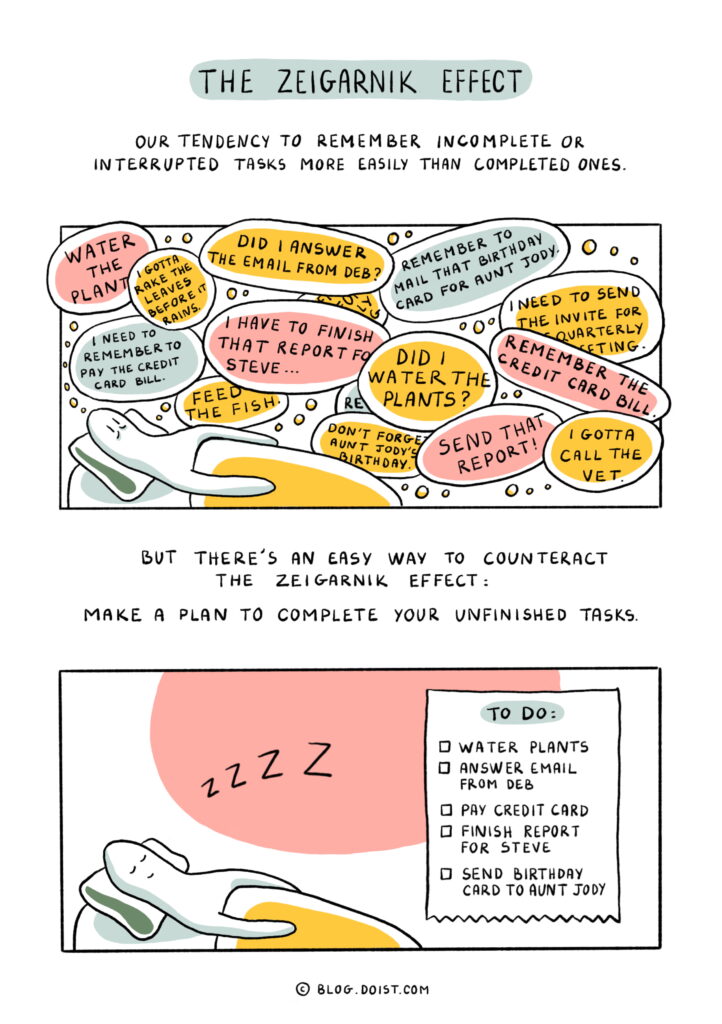
The Zeigarnik Effect is a psychological principle discovered by Bluma Zeigarnik, a Soviet psychologist, in the 1920s. She observed that people tend to remember unfinished or interrupted tasks better than completed ones.
Her famous study came about after noticing that waiters in a café could recall unpaid orders with surprising accuracy — but once the bill was settled, they quickly forgot the details. Zeigarnik tested this theory in a lab setting and confirmed that our brains crave closure. When a task is incomplete, it creates a kind of mental tension that pushes us to finish it.
In marketing, this effect translates into a powerful motivator. By creating a sense of incompleteness, brands can keep users engaged and nudge them toward conversion — whether that means completing a purchase, signing up for a newsletter, or finishing a quiz.
Why the Zeigarnik Effect Works in Marketing
At its core, the Zeigarnik Effect plays on our brain’s need for resolution. When users start a process but don’t complete it, that sense of “unfinished business” lingers in their minds. This can be used strategically to encourage users to return, re-engage, or take the final step.
Here’s why it’s so effective:
- It taps into curiosity. When people are left hanging, they naturally want to know what comes next.
- It creates emotional investment. Once users start something, they feel compelled to see it through — a phenomenon tied to the “commitment and consistency” principle in behavioral psychology.
- It reduces friction to re-engagement. If users have already begun a process (say, a partially completed profile), they’re more likely to return to finish it rather than start something new.
The Zeigarnik Effect works not by forcing users to act, but by gently reminding them that they’ve already started the journey.
How Brands Use the Zeigarnik Effect to Drive Conversions
Many of the world’s most successful digital experiences — from e-commerce platforms to productivity apps — use the Zeigarnik Effect in subtle yet powerful ways. Let’s look at how this plays out across various marketing touchpoints.
1. Progress Bars and Checklists
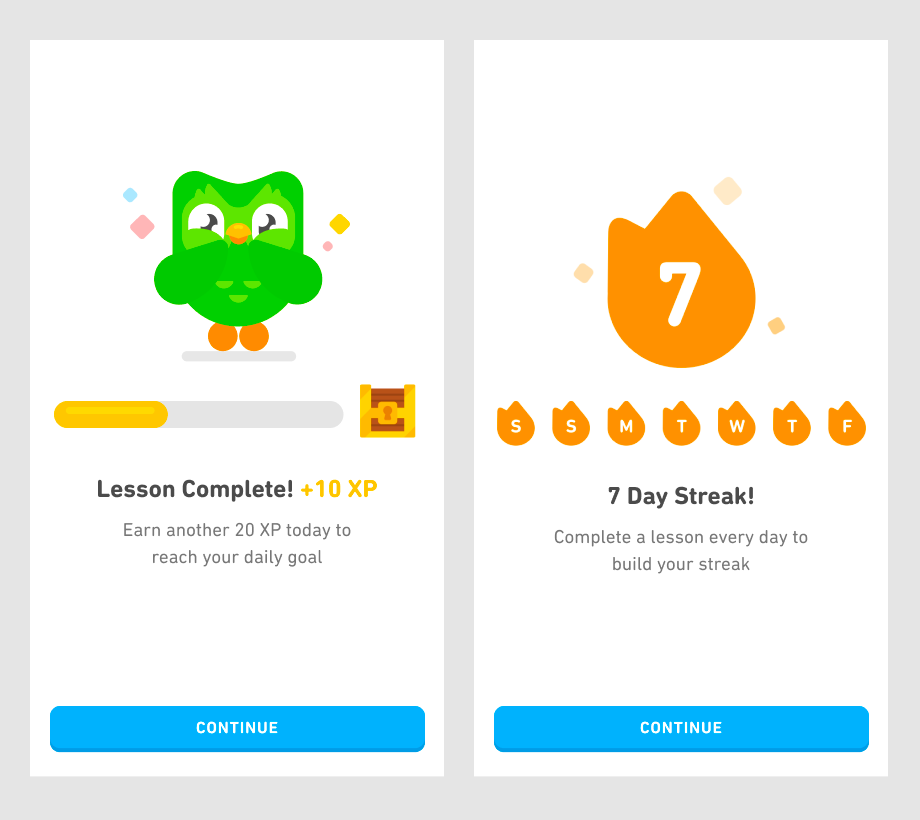
Nothing motivates completion like visible progress. Think of platforms like LinkedIn or Duolingo, which show users a profile completion percentage or a daily learning streak. That little “80% complete” bar triggers our desire for closure.
Marketers can apply this by adding progress indicators to:
- Account setup flows
- Email sign-up processes
- Loyalty programs (“You’re just 1 purchase away from Gold status!”)
- Checkout pages (“Step 2 of 3 — Confirm Payment”)
These cues tell users they’re close to finishing — and nudge them to take that final action.
2. Unfinished Content or Cliffhangers

Have you ever watched a Netflix show that ended with a cliffhanger — and found yourself unable to resist clicking “Next Episode”? That’s the Zeigarnik Effect in action.
In marketing, this can be used in:
- Email campaigns: Tease part of a story or offer and encourage readers to click through for the full version.
- Video marketing: End with a question or upcoming reveal.
- Blog content: Split valuable guides into multi-part series that invite readers to come back for more.
3. Abandoned Cart Emails
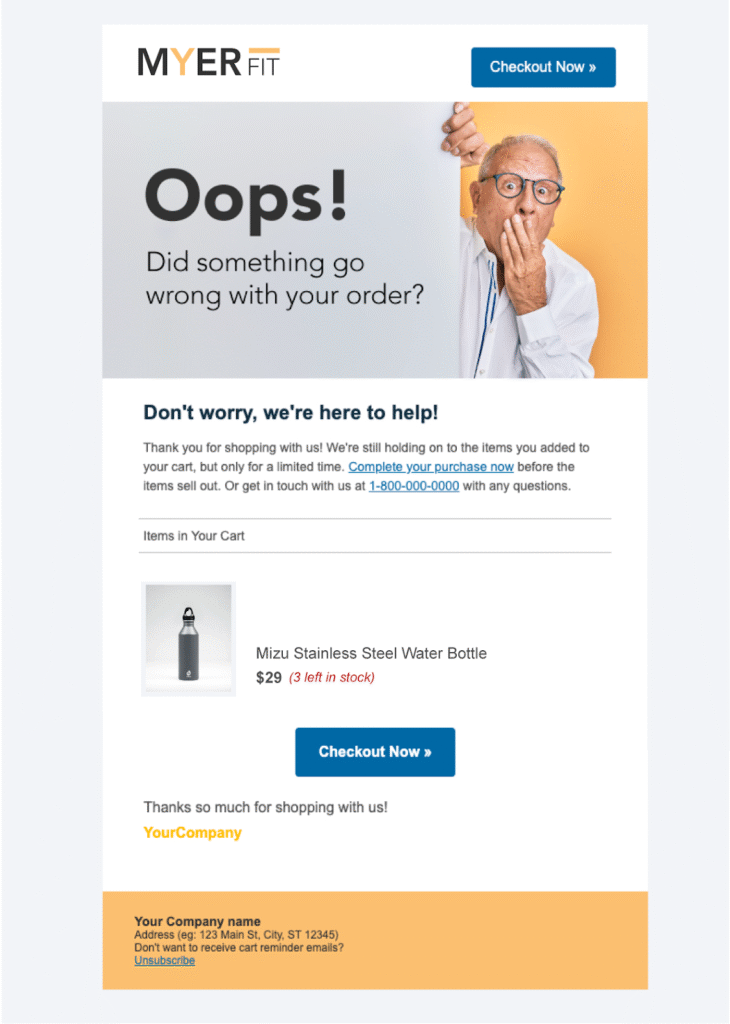
E-commerce brands have mastered the art of reminding users of incomplete purchases. An abandoned cart represents an unfinished transaction — and a prime opportunity to re-engage.
The Zeigarnik Effect makes this tactic especially effective because customers already invested time in browsing and selecting items. A gentle nudge like “You left something behind” reactivates that sense of incompleteness and encourages them to return.
4. Quizzes and Interactive Content
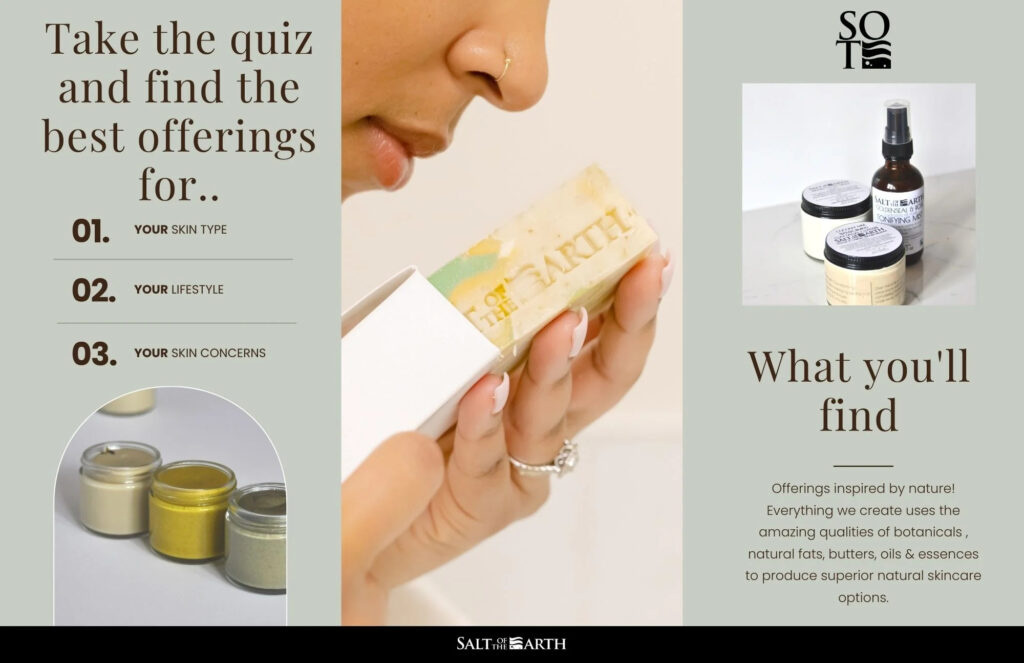
Online quizzes and surveys often use the Zeigarnik Effect by starting with engaging, easy questions. Once users begin, they’re inclined to finish — especially when a personalized result awaits at the end (“Discover your perfect skincare routine” or “Find your ideal coffee type”).
Brands can use this in lead generation, offering results only after users complete the full quiz or share their email address.
5. “Coming Soon” or Pre-Launch Campaigns
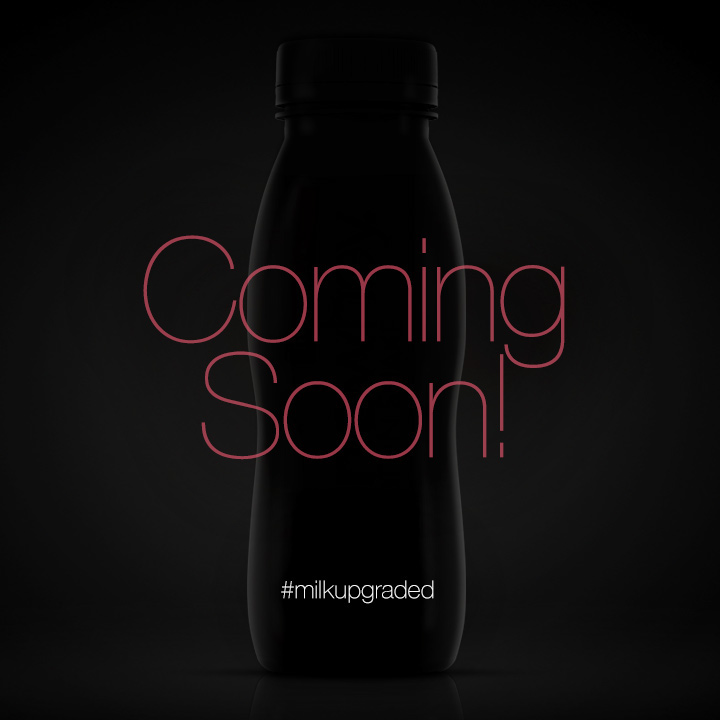
When brands tease a product launch with “something exciting is coming,” they’re creating a form of psychological suspense. This anticipation keeps audiences hooked and checking back for updates. Apple, Netflix, and Marvel Studios use this tactic masterfully — releasing just enough information to build intrigue without revealing everything.
How to Apply the Zeigarnik Effect in Your Marketing Strategy
Now that you know the theory, here’s how to use it effectively without overdoing it.
Start Strong
The Zeigarnik Effect only works if users actually start something. Make sure your onboarding, forms, or campaigns are simple to begin. Reduce initial friction so users are more likely to engage from the first click.
Show Progress Visually
A visible indicator — a loading bar, checklist, or milestone tracker — reinforces how close users are to completing a task. Keep the steps short and achievable.
Use Follow-Ups Strategically
If a user drops off midway, don’t let the tension fade. Send a friendly reminder email or retarget them with ads that highlight what’s left unfinished (“Complete your application to unlock your 10% discount”).
Create Content with Natural Breaks
Design your content strategy to encourage continued engagement. Think of newsletters that end with a teaser for the next edition or videos that leave audiences anticipating the next chapter.
Reward Completion
The satisfaction of finishing something can be amplified with a tangible reward — like a discount code, exclusive access, or digital badge. Pair the Zeigarnik Effect with positive reinforcement to deepen user satisfaction.
Real-World Examples of the Zeigarnik Effect in Action
- LinkedIn: The platform’s profile completeness bar has become iconic. Users feel compelled to fill out every field just to see that 100% mark.
- Duolingo: The streak system plays on the tension of maintaining progress. Miss a day, and the “incomplete” feeling is instant.
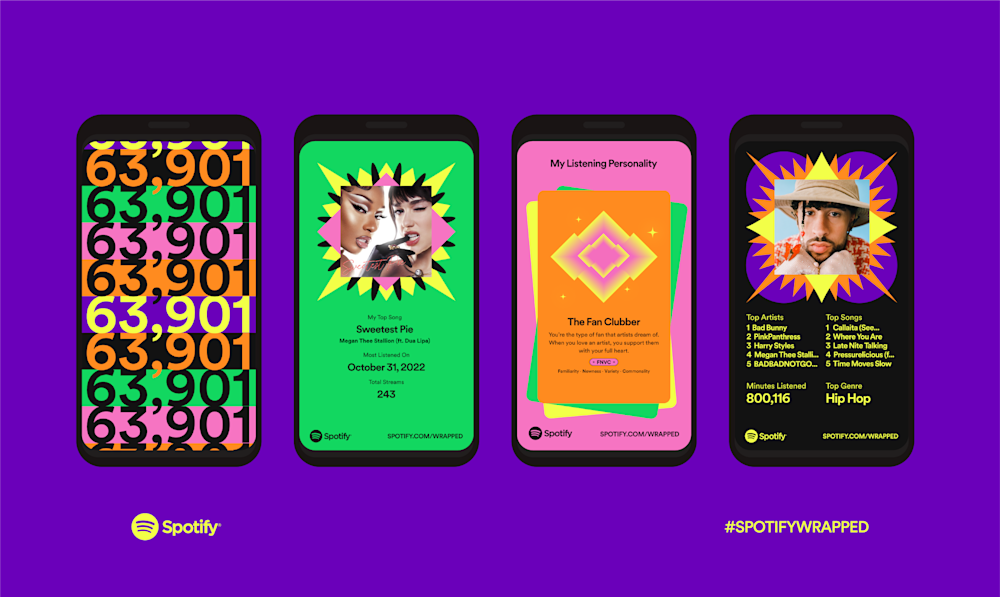
- Spotify Wrapped: The year-end recap creates anticipation by summarizing an unfinished experience — your music habits throughout the year.
- Netflix: The autoplay feature exploits the same psychological tension — the urge to complete the story you just started.
These brands don’t just rely on clever design — they understand human motivation at a deep level.
The Ethics of Using the Zeigarnik Effect
While the Zeigarnik Effect can powerfully increase engagement, marketers should use it ethically. Manipulating users into endless loops of interaction without clear value can lead to frustration and distrust.
For example, using fake progress bars or misleading “completion” percentages erodes credibility. The best use cases balance psychological motivation with genuine benefit — helping users accomplish meaningful tasks, not just keeping them busy.
Final Thoughts: Turning Incompleteness into Opportunity
The Zeigarnik Effect reminds us that humans are wired to seek closure. In marketing, this means that every unfinished form, every paused video, and every pending purchase carries potential energy. Smart brands harness that energy to guide users gently toward completion — not through pressure, but through design and understanding.
When used thoughtfully, this principle can transform your conversion strategy. It’s not about tricking people into acting — it’s about designing experiences that align with how the human mind naturally works.
In a world where attention is fleeting, sometimes the most powerful thing you can do is leave something just unfinished enough to make people want to come back.
