 The Marketer
In Asia, WhatsApp isn’t just a messaging app—it’s a way of life. With over two billion active users worldwide, WhatsApp has become the go-to platform for communication, and in many Asian markets, it dominates daily interactions. But beyond personal chats, WhatsApp is quietly becoming one of the fastest-growing marketing channels in the region.
From small businesses to multinational brands, companies are realising that WhatsApp offers something email and social media often struggle to deliver: direct, personal, and real-time connections with customers. Here’s why WhatsApp marketing is on the rise in Asia—and what brands can learn from this trend.
The Rise of WhatsApp in Asia
Asia is home to some of the largest WhatsApp user bases in the world. Countries like India, Indonesia, Malaysia, and Singapore have seen explosive adoption, with millions relying on the app not only for chatting with friends and family but also for business communication.
In many of these markets, WhatsApp has effectively replaced SMS. Its low cost, reliability, and ease of use make it a natural choice in regions where traditional mobile carriers still charge for text messaging. As a result, the app has become deeply embedded in daily life, creating a fertile ground for conversational commerce and marketing.
Why WhatsApp Appeals to Brands
There are a few reasons why WhatsApp has emerged as a powerful marketing tool in Asia:
- High penetration and engagement: WhatsApp open rates hover around 98%, far higher than email. Messages are usually read within minutes, making it an ideal channel for time-sensitive campaigns.
- Personalized communication: Unlike mass social media ads, WhatsApp feels personal. Customers interact in a conversational way, building trust and authenticity.
- Support for commerce: With features like WhatsApp Business and WhatsApp Business API, companies can showcase products, send catalogs, process orders, and even integrate payment solutions.
- Mobile-first behavior: Asia’s mobile-first economy makes WhatsApp a natural hub for commerce and customer service, especially in regions where desktop internet use is limited.
WhatsApp Business Tools Fueling Growth
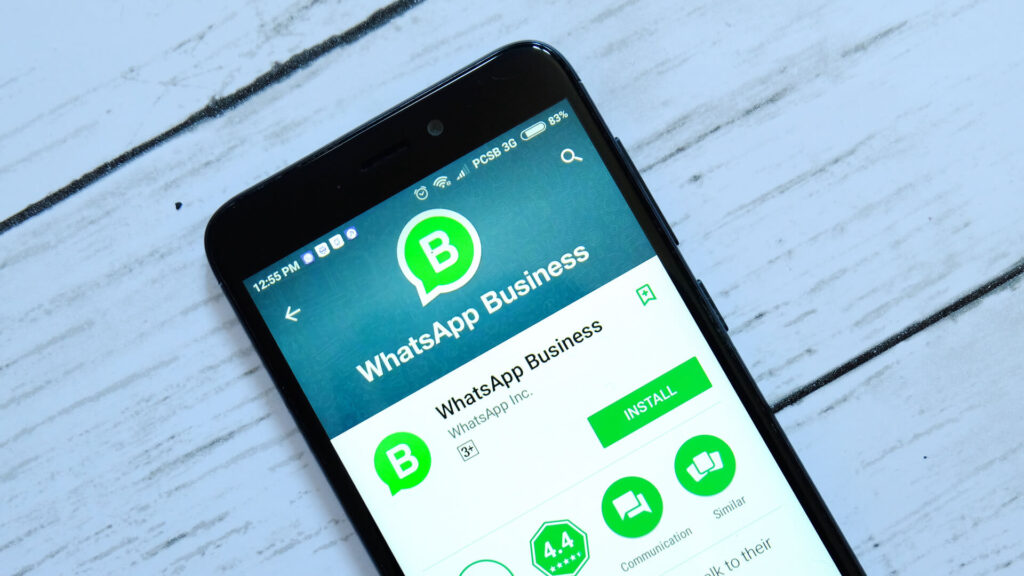
The launch of WhatsApp Business and the WhatsApp Business API has accelerated adoption in Asia. These tools allow businesses to:
- Create branded business profiles with essential information.
- Automate greetings, FAQs, and away messages.
- Share product catalogs with images, descriptions, and prices.
- Provide customer support at scale with chatbots and integrations.
For small businesses, this means WhatsApp can function as both a storefront and a customer service desk. For larger enterprises, the Business API enables scalable, secure interactions across multiple touchpoints.
Case Studies: WhatsApp in Action
1. India – JioMart
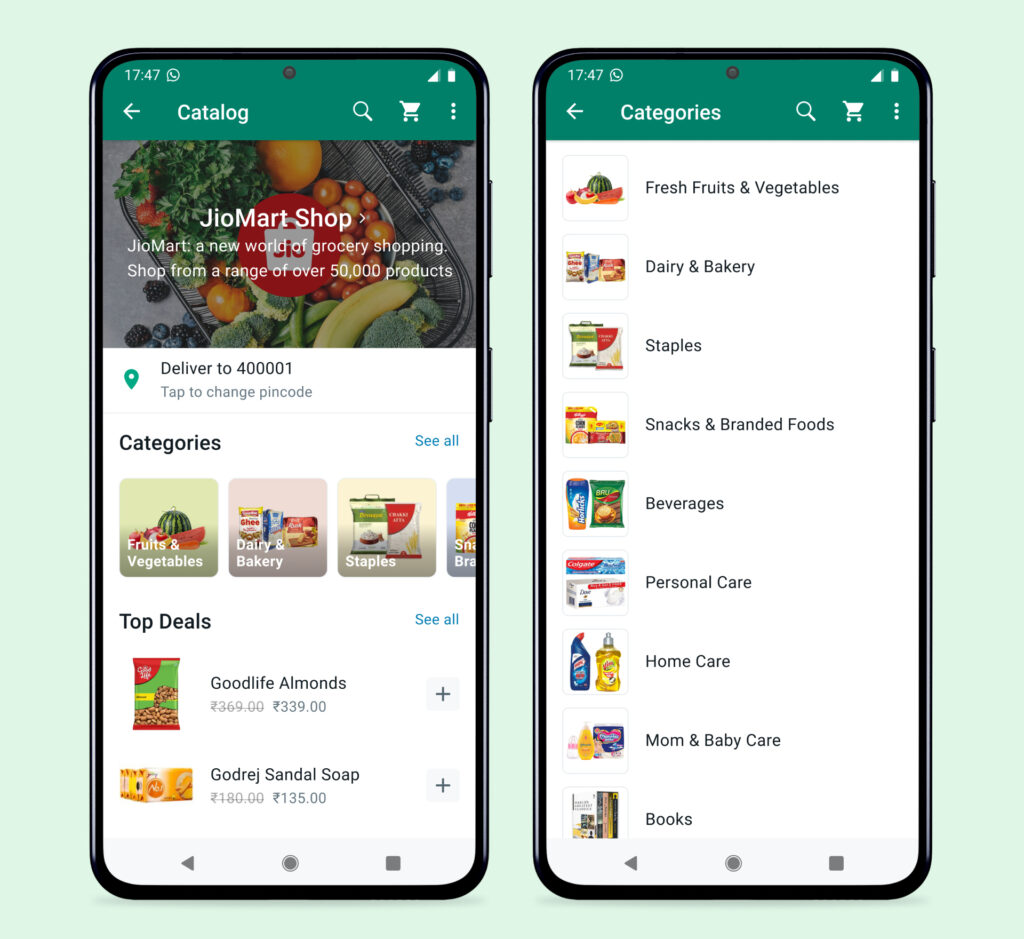
Reliance’s JioMart launched WhatsApp ordering to let users browse groceries and place orders directly through the app. Given India’s vast WhatsApp user base, this approach has been a game-changer for quick commerce adoption.
2. Indonesia – Traveloka
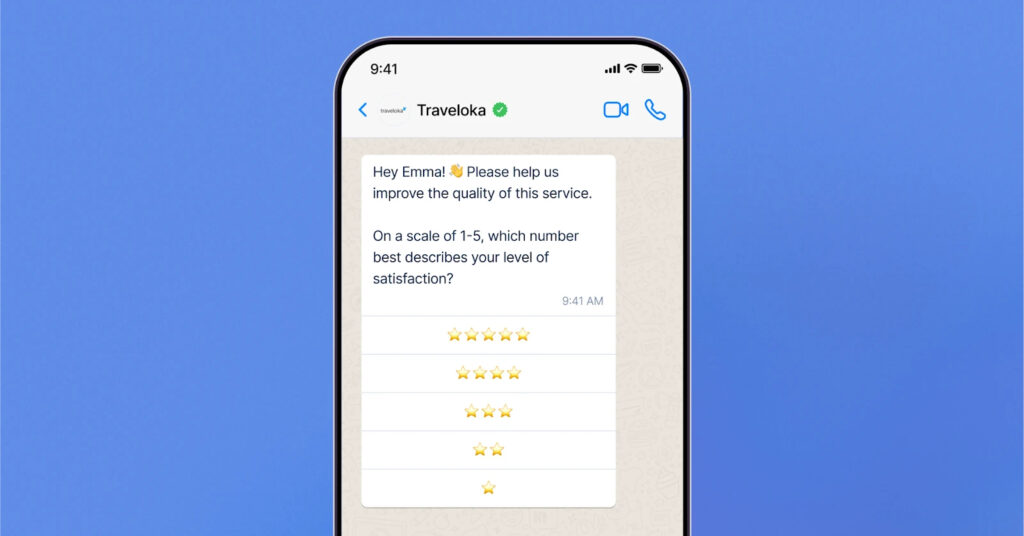
Traveloka, a popular travel app, uses WhatsApp for booking confirmations, travel alerts, and customer support. The immediacy of WhatsApp ensures travelers get updates in real time.
3. Singapore – Local SMEs
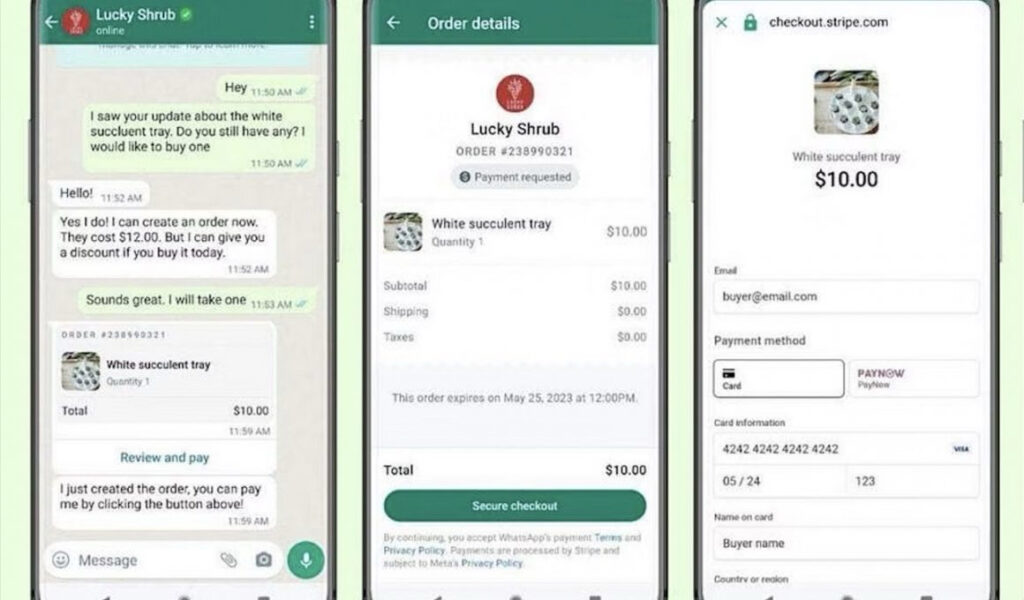
Small cafés and retailers in Singapore use WhatsApp Business to take reservations, showcase daily menus, and send exclusive promotions to loyal customers. For these SMEs, WhatsApp acts as both a marketing and operations tool.
WhatsApp Marketing vs. Traditional Channels
Unlike email newsletters that risk being ignored, WhatsApp messages cut through the noise with immediacy and intimacy. Compared to social media ads, which can feel intrusive, WhatsApp operates in a trusted, opt-in environment.
That said, the intimacy of WhatsApp requires a careful touch. Unlike email blasts, spamming customers here risks damaging relationships quickly. The most successful WhatsApp strategies in Asia focus on value-driven interactions—exclusive discounts, personalized recommendations, timely updates, and responsive support.
Challenges for Brands
Despite its promise, WhatsApp marketing comes with hurdles:
- Regulatory restrictions: Some Asian markets have strict rules on data privacy and messaging frequency.
- Scalability: Managing large volumes of personalized conversations can be resource-intensive without automation.
- Consumer expectations: Customers expect fast responses on WhatsApp, raising the bar for service.
Brands need to balance automation with human touch to keep conversations authentic.
The Future of WhatsApp Marketing in Asia
With Meta investing heavily in making WhatsApp a commercial platform, its role in Asian marketing will only grow. Features like in-app payments, chatbots, and AI-driven commerce will expand WhatsApp’s utility beyond communication into full-fledged customer engagement ecosystems.
In markets like India and Indonesia, where e-commerce adoption is booming, WhatsApp could become the primary interface for online shopping. In more developed markets like Singapore and Hong Kong, it will likely remain a customer service and loyalty channel that complements existing digital strategies.
Final Thoughts
WhatsApp marketing in Asia is more than a trend—it’s a reflection of how consumers prefer to interact with brands: directly, personally, and on their own terms.
For businesses, the lesson is clear. To succeed in Asia’s mobile-first, chat-driven markets, brands must embrace conversational marketing channels like WhatsApp. Those who learn to balance personalization with scale, and promotion with value, will find WhatsApp to be one of the most powerful tools in their marketing arsenal.
The inbox may be crowded, but the chat window is wide open.
Best Practices for WhatsApp Marketing in Asia
While WhatsApp offers immense opportunities, success depends on how thoughtfully brands use it. Here are some best practices to guide your strategy:
1. Always Get Opt-In Consent
WhatsApp is an intimate channel. Customers must feel they chose to hear from you, not that they were spammed. Use website pop-ups, checkout opt-ins, or loyalty program sign-ups to secure explicit permission.
2. Keep It Value-Driven
Every message should deliver value—whether that’s an exclusive offer, a helpful update, or personalised content. Treat the channel like a VIP space for your most loyal customers, not just another ad platform.
3. Be Conversational, Not Corporate
The appeal of WhatsApp is its personal tone. Avoid overly formal language or hard-sell tactics. Instead, craft messages that sound like friendly advice, customer support, or a trusted recommendation.
4. Leverage Automation Wisely
Chatbots and autoresponders can help manage scale, but don’t over-automate. Ensure there’s an option for human support when customers need it. The best experiences balance efficiency with empathy.
5. Segment Your Audience
Not every customer wants the same thing. Use segmentation to send tailored promotions—like birthday offers, location-based deals, or product-specific updates—so your messages stay relevant.
6. Respect Frequency
Bombarding customers daily can lead to opt-outs. Instead, set a clear cadence—whether weekly, bi-weekly, or tied to key moments like sales and holidays. Quality beats quantity every time.
7. Measure and Iterate
Track open rates, click-throughs, response times, and opt-out rates. Use these insights to refine your approach. Small adjustments can dramatically improve performance over time.
