 The Marketer
Few marketing campaigns in recent years have captured pop culture quite like McDonald’s celebrity meals. What started as a simple idea—pairing iconic menu items with famous names—has turned into a global phenomenon. From Travis Scott’s meal sparking shortages in 2020 to BTS’s purple-packaged sensation in 2021, McDonald’s proved that a 70-year-old fast-food giant can still be at the cutting edge of marketing.
But why were these collaborations so successful? And what lessons can other brands take away from McDonald’s celebrity meal strategy? Let’s break it down.
1. The Power of Cultural Relevance
At its core, McDonald’s celebrity meals tapped into cultural moments. Instead of inventing new products, the company tied its timeless menu to the influence of global superstars.
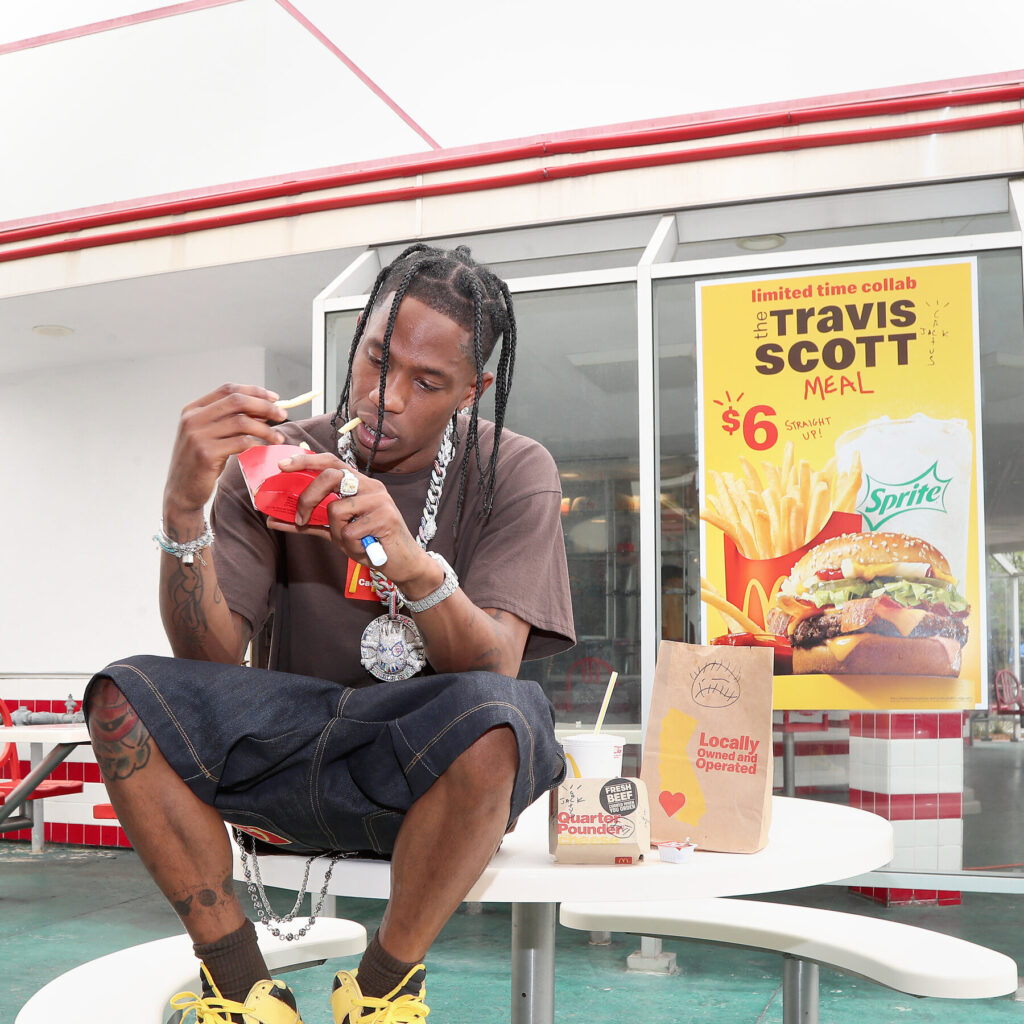
- Travis Scott Meal (2020): A Quarter Pounder with cheese, fries with BBQ sauce, and a Sprite. Fans flooded restaurants, and some even resold receipts online.
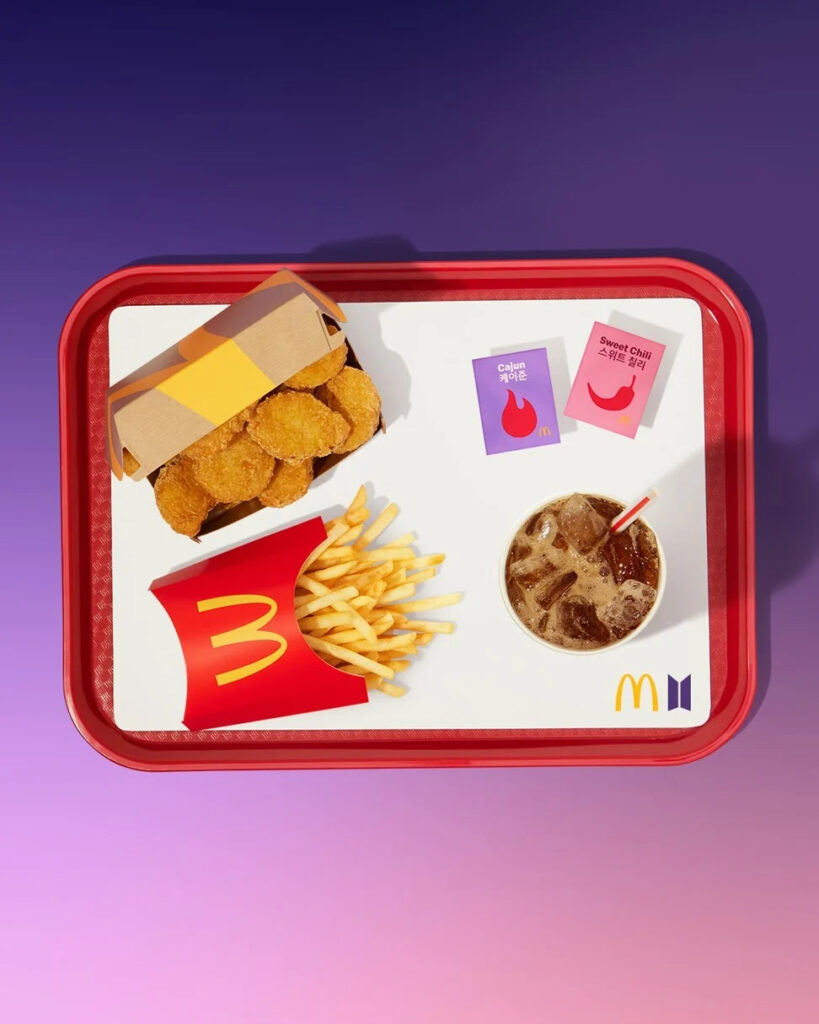
- BTS Meal (2021): Chicken McNuggets with limited-edition Cajun and Sweet Chili sauces, plus purple-branded packaging that instantly became collector’s items.
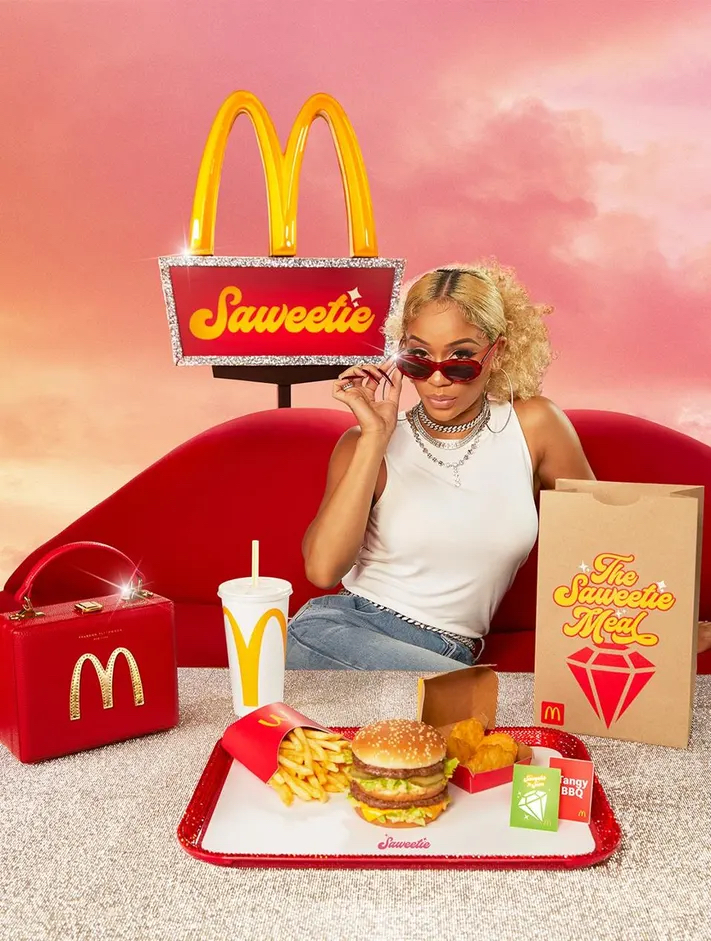
- Saweetie Meal (2021): A remix-style meal featuring a Big Mac, nuggets, fries, and her playful “mix-and-match” eating style.
By aligning with artists who already had strong fan cultures, McDonald’s embedded itself into conversations that fans were already having.
Marketing takeaway: Meet your audience where they are culturally. Instead of forcing new trends, connect your product to existing passions.
2. Simplicity Makes It Accessible
Notice that none of the celebrity meals introduced brand-new menu items. Instead, they highlighted existing staples in a way that felt special because of the celebrity connection.
For McDonald’s, this was genius:
- Zero product development costs.
- Minimal training required for staff.
- Maximum nostalgia and familiarity for customers.
It wasn’t about innovation in food; it was about innovation in presentation.
Marketing takeaway: Sometimes success comes from reframing the familiar, not reinventing the wheel.
3. The Merchandising Effect
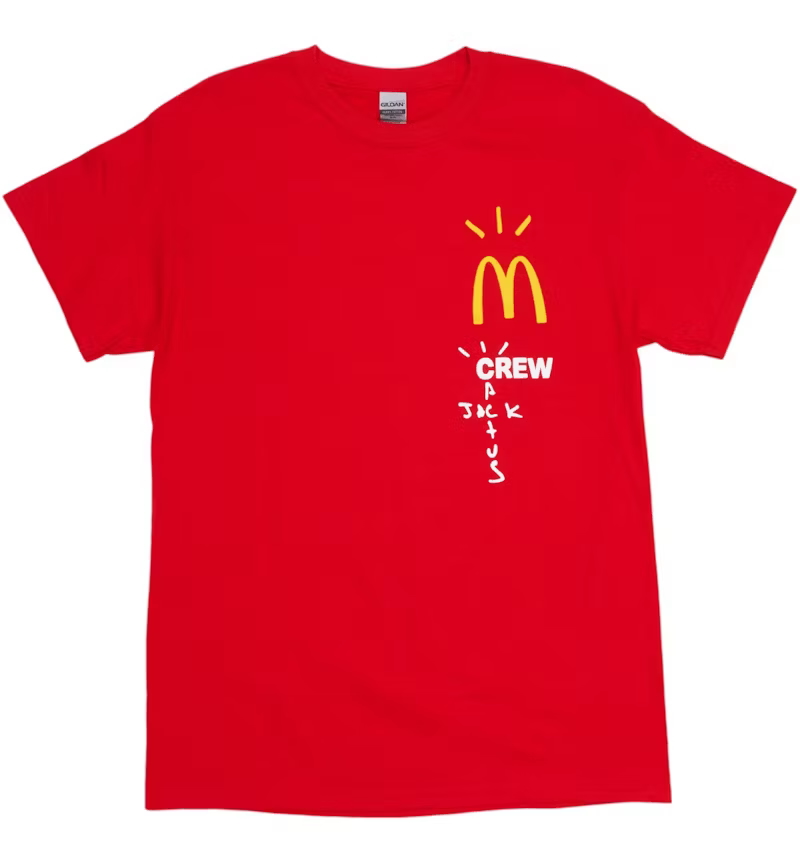
Part of the Travis Scott and BTS campaigns’ impact came from merchandise drops. The Travis Scott collection featured Cactus Jack x McDonald’s apparel, while BTS fans went wild over purple-themed packaging. Some even sold empty nugget boxes on eBay for outrageous prices.
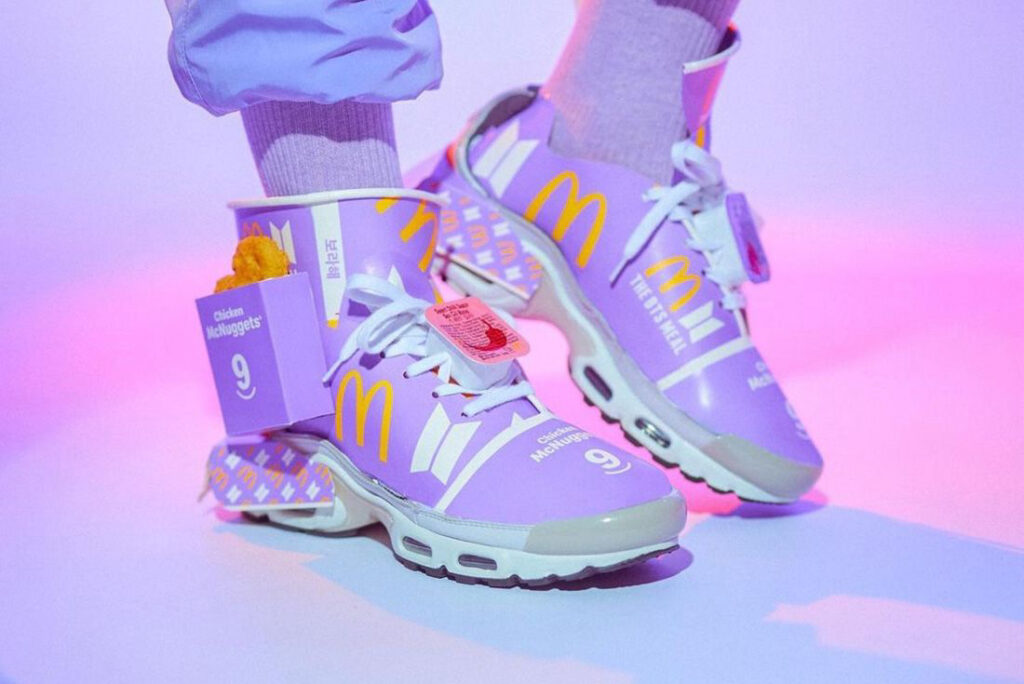
This turned fast food into fashion and fandom culture. The meal wasn’t just food—it was a collectible experience.
Marketing takeaway: Great campaigns extend beyond the product. Merchandise, packaging, and limited-edition add-ons create scarcity and emotional value.
4. Social Media Amplification
McDonald’s didn’t need to spend billions on traditional advertising. Instead, social media did the heavy lifting:
- Fans shared unboxing videos of their meals.
- TikTok trends emerged around the Travis Scott order.
- BTS’s global fanbase (the ARMY) amplified the campaign across languages and continents.
The key? User-generated content (UGC). Fans weren’t just buying meals; they were proudly documenting the experience online.
Marketing takeaway: Make campaigns shareable by design. Encourage UGC with hashtags, packaging worth photographing, or challenges that invite participation.
5. Tapping Into Fandom Loyalty
Celebrity partnerships worked for McDonald’s because they weren’t just about the celebrities—they were about their fans.
The BTS ARMY, one of the most dedicated fandoms in the world, treated the McDonald’s meal as an extension of their identity. Eating the BTS Meal wasn’t just grabbing nuggets; it was participating in a global fan ritual.
Marketing takeaway: True brand power lies in communities. Tap into fandoms, subcultures, or tight-knit groups, and you’ll unlock word-of-mouth marketing at scale.
6. Global Appeal with Local Execution
One of the smartest elements of the BTS campaign was how it went global while still feeling personalized. The BTS Meal launched in nearly 50 countries, and fans in each location could get the same sauces, packaging, and experience.
This was a masterclass in consistency. No matter where you were in the world, buying the BTS Meal made you feel part of something bigger.
Marketing takeaway: Think globally, but execute consistently. A campaign should transcend borders while retaining universal emotional hooks.
7. The Nostalgia Factor
McDonald’s meals are deeply nostalgic, and pairing them with celebrities who embody certain cultural eras adds another layer of emotional resonance.
For Millennials, Travis Scott connected McDonald’s to hip-hop culture. For Gen Z, BTS turned a chicken nugget meal into a shared digital-first experience.
The combination of comfort food + celebrity fandom created a sweet spot for emotional connection.
Marketing takeaway: Nostalgia sells—especially when blended with modern relevance.
8. Business Impact: Sales and Buzz
These campaigns weren’t just culturally successful; they delivered tangible results:
Travis Scott’s meal caused shortages in some locations due to overwhelming demand. The BTS Meal boosted same-store sales and made McDonald’s trend globally for weeks. Stock analysts credited celebrity meals as a driver of brand growth during uncertain times.
McDonald’s reminded the world that even a brand as established as theirs could feel fresh, exciting, and newsworthy.
Marketing takeaway: Don’t underestimate the business power of culture-led campaigns. Done right, they generate both buzz and revenue.
Lessons for Marketers
The success of McDonald’s celebrity meals boils down to a few timeless truths:
- Leverage cultural relevance – Tie your product to cultural icons and movements.
- Keep it simple – Reinvent presentation, not the product itself.
- Think beyond the product – Merch, packaging, and scarcity drive hype.
- Empower fans – User-generated content amplifies campaigns at little cost.
- Tap into communities – Fandoms are modern-day tribes.
- Global consistency matters – Deliver the same experience worldwide.
- Blend nostalgia with novelty – Familiar yet fresh wins every time.
Final Thoughts
The McDonald’s celebrity meals are a case study in how a legacy brand can reinvent itself by tapping into culture, fandom, and simplicity. By aligning with stars who already had loyal followings, McDonald’s didn’t just sell burgers and nuggets—it sold participation in a global cultural moment.
For marketers, the lesson is clear: you don’t always need to create something new. Sometimes, success comes from packaging the familiar in a way that feels timely, authentic, and shareable.
In other words: it’s not just a meal. It’s a movement.
