 The Marketer
When people think about K-pop, chances are one of the first names that comes to mind is SM Entertainment. Founded in 1995 by Lee Soo-man, SM has been one of the defining forces in the Korean music industry, shaping not just the sound but also the business model of K-pop. From legendary first-generation groups like H.O.T. and S.E.S. to global powerhouses like EXO, Red Velvet, NCT, and aespa, SM has built a system that’s as much about marketing strategy as it is about music.
SM’s approach, often referred to as the “idol marketing model,” is unique because it blends entertainment with lifestyle branding, fan culture, and multi-platform storytelling. In many ways, SM isn’t just producing music—it’s engineering cultural products designed for global scalability. Let’s dive into how this model works, why it’s so successful, and what marketers around the world can learn from it.
The Origins: The “Culture Technology” Blueprint
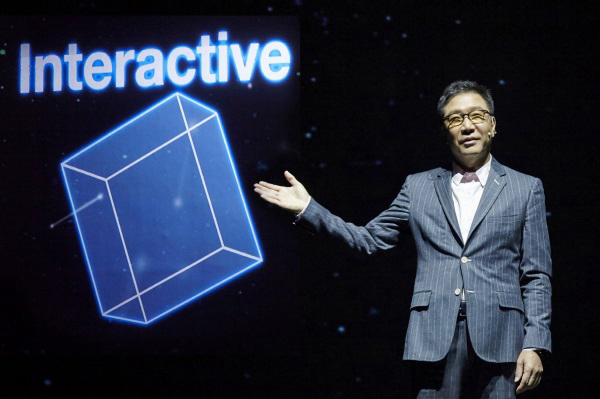
SM Entertainment’s founder Lee Soo-man coined the term “Culture Technology (CT)” to describe his method of exporting Korean entertainment worldwide. Unlike traditional record labels that focused only on producing music, SM built an entire ecosystem where idols were trained, produced, marketed, and managed within a structured framework.
This system emphasised:
- Rigorous trainee programs: Years of vocal, dance, language, and media training.
- Global vision from day one: Idols learned Japanese, Chinese, and English to appeal to multiple markets.
- Cultural engineering: Music, fashion, and visuals were designed to resonate beyond Korea.
This wasn’t just about creating pop stars—it was about manufacturing global cultural icons.
Storytelling as a Marketing Tool
One of SM’s most powerful innovations is its use of storytelling to create immersive fan experiences. Groups like EXO and aespa are not just musical acts; they’re part of entire narrative universes.

EXO debuted with a sci-fi-inspired concept, where each member had “superpowers” tied to their persona. aespa launched with the concept of avatars and a parallel digital world, aligning perfectly with the rise of the metaverse.
This narrative-driven approach gives fans more than music—it gives them a story to invest in. Fans feel like participants in a larger saga, which keeps engagement levels extraordinarily high.
For marketers, the lesson is clear: stories sell better than products. When you create narratives around your brand, you invite consumers into a relationship rather than a transaction.
Fan Culture as a Business Model
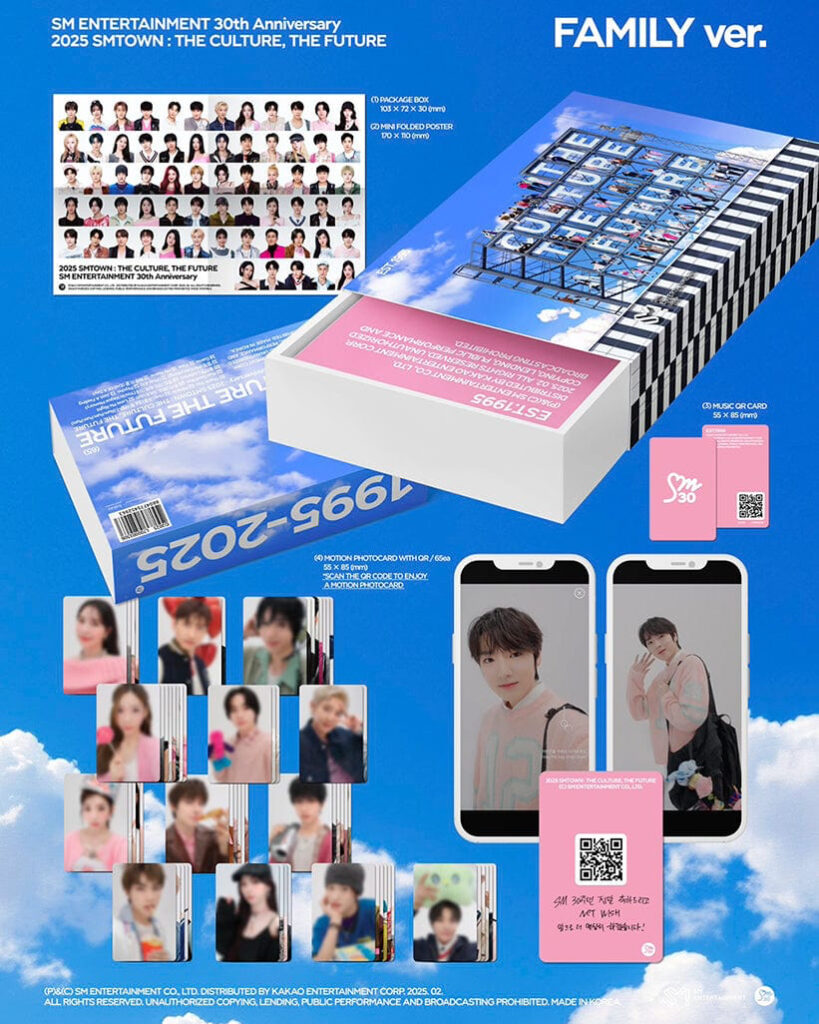
SM Entertainment doesn’t just market idols—it markets fan experiences. K-pop fandoms are not passive listeners; they are active communities that promote, share, and even financially sustain their favourite idols.
SM leverages this through:
- Merchandising and physical albums: K-pop albums aren’t just CDs—they come with collectible photo cards, posters, and exclusive content that turn each release into a must-have item.
- Fan meetings and concerts: SM pioneered fan service events where idols interact directly with fans, building deep loyalty.
- Official fan clubs: Communities like EXO-L (EXO’s fandom) or MYs (aespa’s fandom) are highly organised and actively engaged in marketing idols themselves.
By building systems that encourage fan participation, SM essentially created a model where fans do the marketing work—from streaming campaigns to trending hashtags.
Cross-Media Expansion: Music Meets Lifestyle

SM idols are more than singers—they’re brand ambassadors, influencers, and lifestyle icons. The company strategically places idols in:
- Dramas and films: Expanding their visibility beyond music.
- Fashion and luxury endorsements: SM artists frequently collaborate with global luxury houses like Gucci, Prada, and Givenchy.
- Variety shows and social media: Keeping idols visible and relatable to fans on a daily basis.
This diversification ensures that idols aren’t just tied to one market. Instead, they operate across multiple industries, creating synergy between entertainment and lifestyle branding.
The Role of Technology and Innovation

SM has always been ahead of the curve when it comes to integrating technology into marketing.
- Virtual concerts: SM was one of the first to experiment with large-scale online concerts, even before the pandemic accelerated digital events.
- AI and avatars: aespa’s concept of virtual avatars (æ-members) pushes the boundary of blending human and digital experiences.
- Global streaming platforms: SM partnered early with YouTube and streaming services, ensuring their idols reached global audiences instantly.
This tech-driven approach ensures SM idols remain relevant to digitally native fans, especially Gen Z and Gen Alpha.
Global Localisation Strategy
SM’s idol groups are designed to be global products with local adaptations.
- Super Junior built strong fan bases in Latin America, pioneering K-pop’s global reach.
- EXO had both a Korean and Chinese sub-unit, targeting multiple markets simultaneously.
- NCT is the most ambitious example: a group with multiple sub-units (NCT 127, NCT Dream, WayV) targeting different regions like Korea, Japan, and China.
By localising without losing its global identity, SM ensures cultural resonance while maintaining brand consistency.
Lessons for Marketers
SM Entertainment’s idol marketing model is more than just a blueprint for music—it’s a case study in modern branding. Here’s what businesses can take away:
- Narratives Create Emotional Connection: Products with stories inspire deeper loyalty. Just as fans follow aespa’s storyline, consumers stay engaged when brands tell compelling stories.
- Community Is the Best Marketing Channel: SM turned fans into marketers. Likewise, modern brands should focus on building communities, not just customer bases.
- Diversification Strengthens Brand Longevity: Idols move seamlessly between music, fashion, and acting. Brands too can expand into lifestyle segments to extend their relevance.
- Tech Integration Keeps You Ahead: Whether it’s virtual concerts or avatars, SM shows that experimenting with new tech isn’t optional—it’s essential to stay relevant.
- Localisation Without Dilution: SM mastered global-local balance. Brands must adapt to local cultures without losing their core identity.
The Future of SM’s Marketing Model
As K-pop continues to dominate global charts, SM Entertainment is experimenting with even bolder ideas. Its SM 3.0 strategy aims to decentralise production and expand collaboration, giving idols more creative freedom while leveraging new technologies.
With the rise of AI-generated content, virtual idols, and immersive fan experiences, SM is likely to remain a pioneer in entertainment marketing. For global marketers, SM’s model underscores a timeless truth: success isn’t just about selling products—it’s about building worlds people want to live in.
Final Thoughts
SM Entertainment’s idol marketing model transformed K-pop from a niche cultural export into a global branding powerhouse. By blending storytelling, technology, fan culture, and lifestyle branding, SM created a system that’s bigger than music. It’s a case study in how emotional connection and cultural strategy can drive worldwide success.
For marketers outside the entertainment industry, SM’s success offers a valuable reminder: when you create not just products but experiences and communities, you don’t just build a brand—you build a movement.
