 The Marketer
Few luxury brands understand the power of storytelling like Gucci. While competitors lean heavily on heritage or exclusivity, Gucci has mastered the art of weaving cultural relevance, imagination, and narrative into its marketing campaigns. Under creative leadership over the past decade—particularly during Alessandro Michele’s visionary era—Gucci’s storytelling has transformed the brand into not just a fashion house, but a cultural voice.
In the crowded world of luxury fashion, storytelling is what separates a fleeting campaign from a cultural moment. Gucci’s genius lies in its ability to take consumers on journeys that blend myth, nostalgia, and modern identity—reminding us that luxury isn’t just about clothes, it’s about the stories they tell.
Why Storytelling Matters in Luxury Marketing
Luxury has always been about more than the product. Consumers buy into heritage, identity, and emotion. Today’s younger audiences—Millennials, Gen Z, and soon Gen Alpha—are less interested in logos alone. They want brands that speak to who they are and the world they live in.
Storytelling allows Gucci to:
- Build emotional connections that transcend clothing.
- Create cultural conversations that extend beyond fashion shows.
- Reinforce brand values like individuality, eccentricity, and inclusivity.
Instead of selling handbags, Gucci sells dreamscapes—and those dreams become aspirational currency in themselves.
Gucci’s Unique Approach to Campaign Storytelling
Unlike many brands that rely on polished perfection, Gucci embraces chaos, eclecticism, and narrative layers. Its campaigns are rarely linear. Instead, they feel like miniature films or cultural commentaries that invite audiences to interpret meaning.
This approach reflects several key storytelling strategies:
1. Blending Past and Present
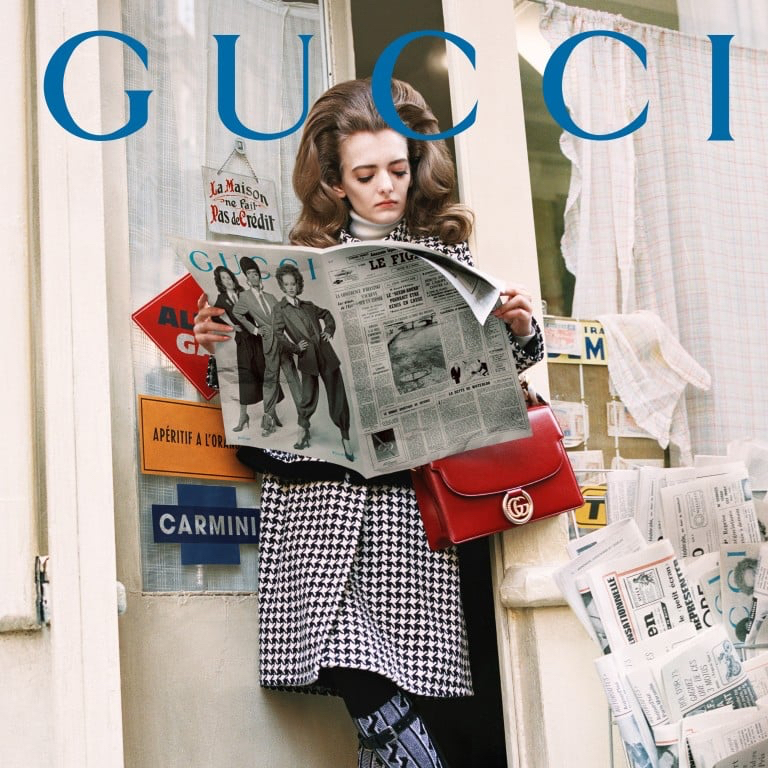
Gucci often references its own heritage while simultaneously reimagining it. Campaigns will juxtapose vintage aesthetics with modern cultural references—creating a timelessness that resonates across generations.
2. Cinematic Storytelling
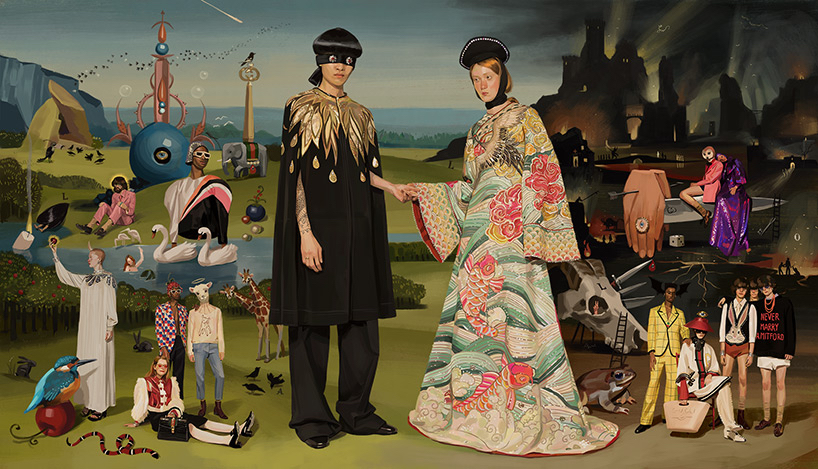
Gucci campaigns frequently take the form of short films, often directed by renowned creatives. These aren’t just ads—they’re experiences. The 2018 “Gucci Hallucination” campaign, for instance, placed models into surreal, painterly dreamscapes, creating a sense of fashion as art.
3. Characters and Archetypes
Rather than focusing solely on clothes, Gucci introduces characters—outsiders, rebels, dreamers—who embody the brand’s ethos. Consumers see themselves reflected in these archetypes, turning campaigns into mirrors of identity.
4. Cultural Commentary
Gucci’s storytelling often pushes into social dialogue, from celebrating gender fluidity to challenging traditional ideas of beauty. These narratives align Gucci with cultural progressiveness, making it relevant to new generations.
Iconic Gucci Campaigns That Defined Storytelling
Gucci Bloom (2017)
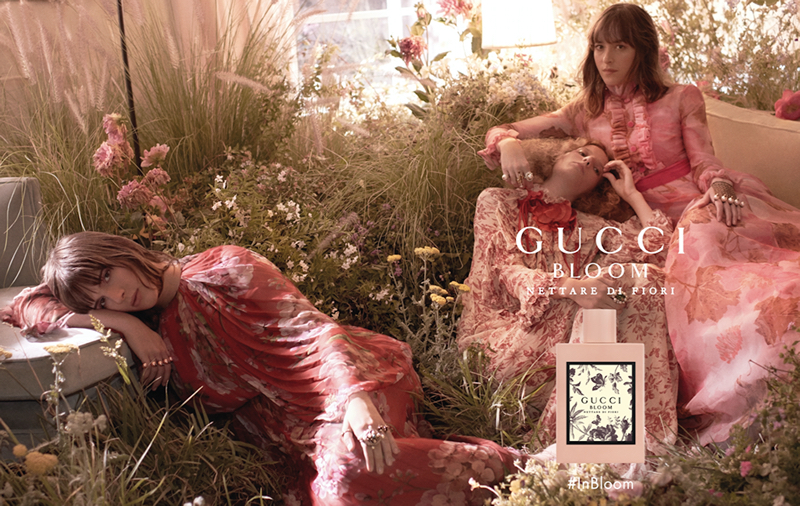
The fragrance campaign wasn’t about ingredients; it was about a dreamlike garden of imagination. The visuals invited consumers to step into a world of lush femininity and freedom, creating emotional resonance far beyond scent.
The Beloved Handbag Campaign (2021)
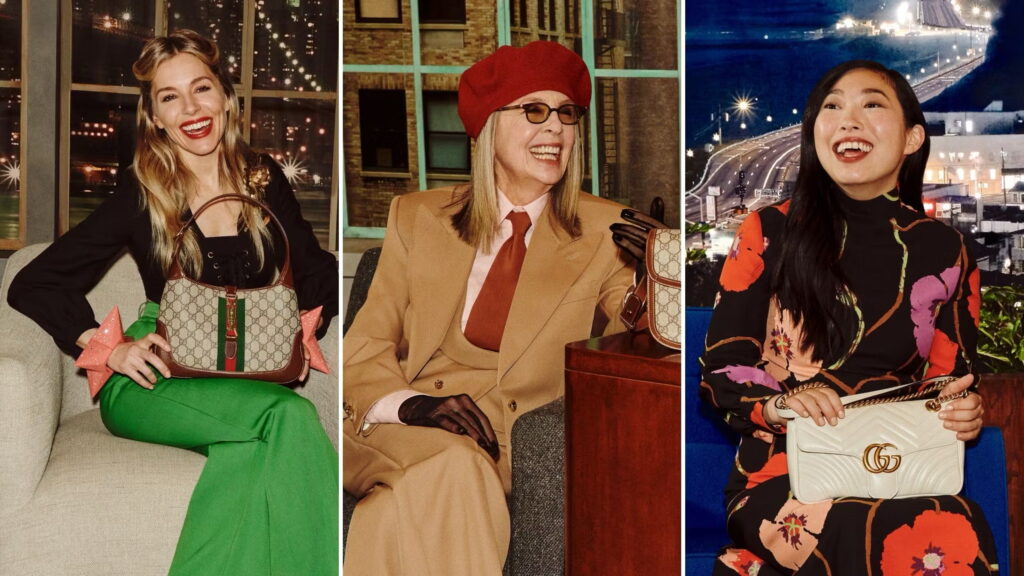
Featuring James Corden interviewing celebrities like Harry Styles and Dakota Johnson with Gucci’s “Beloved” bags as the true stars, this campaign mixed Hollywood glamour with quirky humor. It reminded audiences that luxury could be playful without losing prestige.
Gucci Aria (2021)
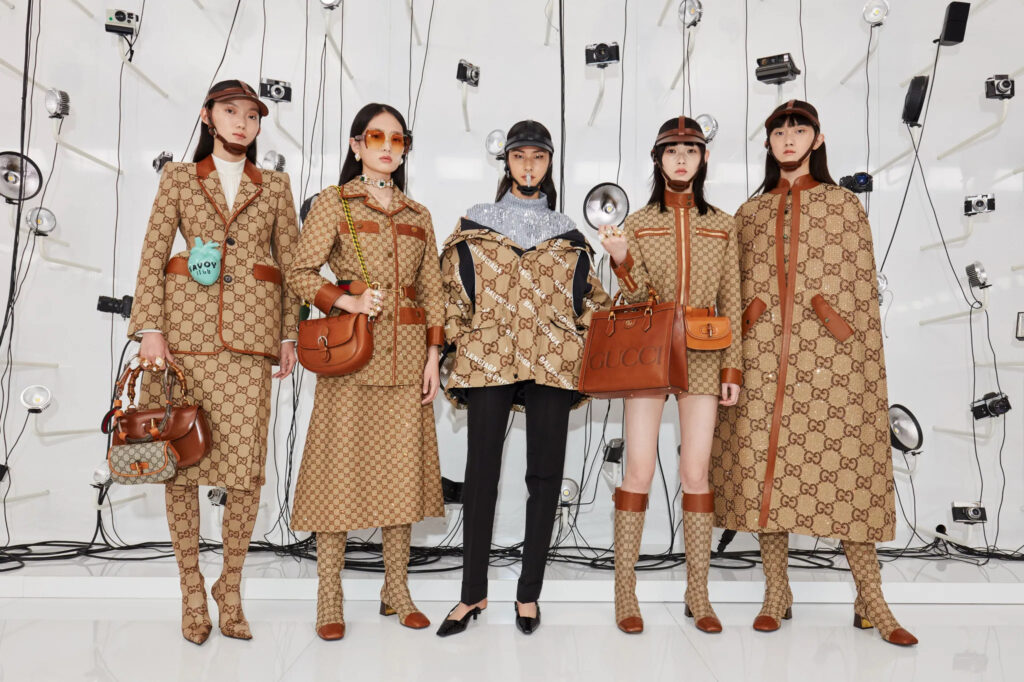
This runway and campaign hybrid celebrated Gucci’s 100th anniversary by remixing codes from both Gucci and Balenciaga. It told a story of legacy and reinvention, cementing Gucci’s place as a house that respects history while rewriting it.
#GucciOuverture (2020)
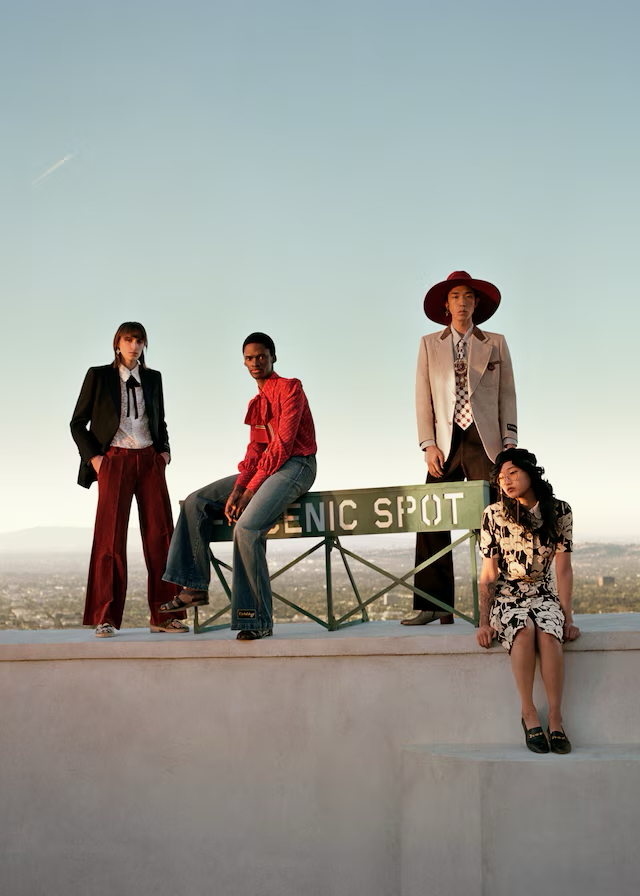
Released as a seven-part miniseries during the pandemic, this campaign blurred lines between film and fashion, exploring identity, community, and imagination. It demonstrated Gucci’s ability to pivot while staying creatively ambitious.
Storytelling as Community-Building
One of Gucci’s most powerful moves has been its ability to turn storytelling into community creation.
On social media, Gucci encourages reinterpretation of its campaigns, allowing fans to create their own narratives. Through collaborations, like those with Harry Styles or global K-pop stars, Gucci aligns its storytelling with communities that already thrive around these figures. With inclusivity, Gucci’s diverse casting and gender-fluid designs make audiences feel seen, turning stories into shared cultural moments.
By making consumers part of the story, Gucci transforms them from passive viewers into active participants.
What Marketers Can Learn from Gucci
Gucci’s campaigns offer lessons for any brand, luxury or not:
- Tell stories, not product specs. People don’t remember details—they remember emotions.
- Embrace cultural context. Campaigns should reflect not just the brand, but the cultural moment.
- Use visuals as narratives. Even without words, imagery can tell powerful stories.
- Create worlds, not just ads. Gucci’s campaigns often feel like alternate universes. That sense of immersion drives memorability.
- Invite interpretation. Great stories aren’t one-way—they allow the audience to find their own meaning.
The Future of Storytelling in Gucci Campaigns
As Gucci enters new chapters with evolving creative leadership, storytelling will remain central to its DNA. We can expect to see even greater integration of digital storytelling, AR experiences, and immersive brand worlds that bring Gucci’s eccentric narratives to life in both physical and virtual spaces.
The future of luxury marketing won’t just be about exclusivity—it will be about narratives that connect across generations and platforms. Gucci, with its proven mastery of storytelling, is poised to remain one of the most influential voices in this space.
Final Thoughts
Gucci’s storytelling campaigns remind us that fashion marketing isn’t about selling clothes—it’s about crafting mythology. By weaving art, culture, and identity into its campaigns, Gucci has transcended product marketing and entered the realm of cultural narrative.
For marketers everywhere, the takeaway is clear: when you tell stories that resonate deeply and authentically, you don’t just build a brand—you build a world people want to live in.
