 The Marketer
K-pop isn’t just a music genre—it’s one of the most powerful, sophisticated marketing ecosystems in the world. What sets it apart isn’t only the talent of its artists or the quality of its production, but the system behind how K-pop companies engage fans. The world’s biggest entertainment labels—SM, HYBE, JYP, YG, Cube, Starship—excel at turning casual listeners into deeply invested communities that support artists through streaming, merch, album sales, concerts, social media engagement, and even global cultural influence.
K-pop fan engagement is a masterclass in modern marketing: emotional storytelling, community building, content diversification, lifestyle branding, and participatory fandom. The result is a model that consistently produces viral groups, billion-view music videos, sold-out tours, and some of the most dedicated supporters on earth.
Here is a full breakdown of the marketing strategy behind K-pop fan engagement—and why global brands and marketers study it closely.
1. Storytelling That Creates Emotional Attachment
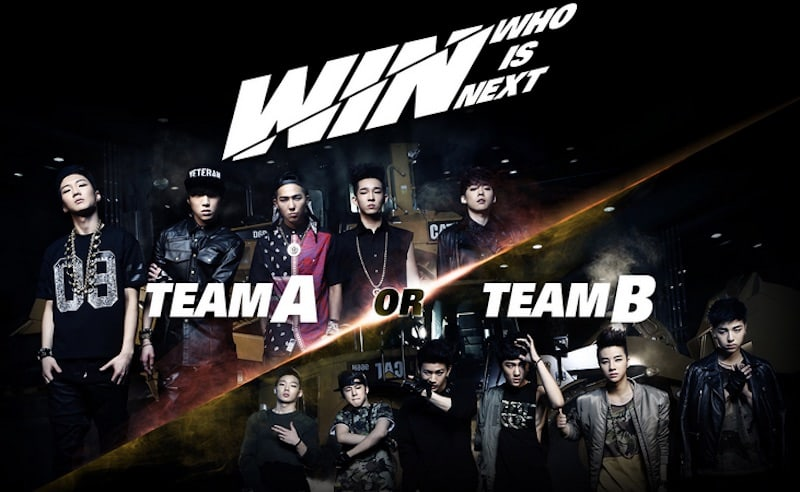
Every K-pop group begins with a narrative—and fans don’t just see idols as performers, but as characters in an unfolding story. Entertainment companies craft detailed “idol origin stories” that highlight training hardships, personal backgrounds, team dynamics, and dreams.
This narrative approach creates parasocial closeness. Fans emotionally invest in idols’ struggles and milestones, fueling long-term loyalty. When fans feel part of the journey, every achievement—wins, awards, Billboard rankings—becomes a personal victory.
This emotional storytelling transforms music consumption from passive listening to deep emotional involvement. It’s the difference between liking a song and becoming a lifelong fan.
2. The Trainee and Debut System: Building Anticipation Before Launch
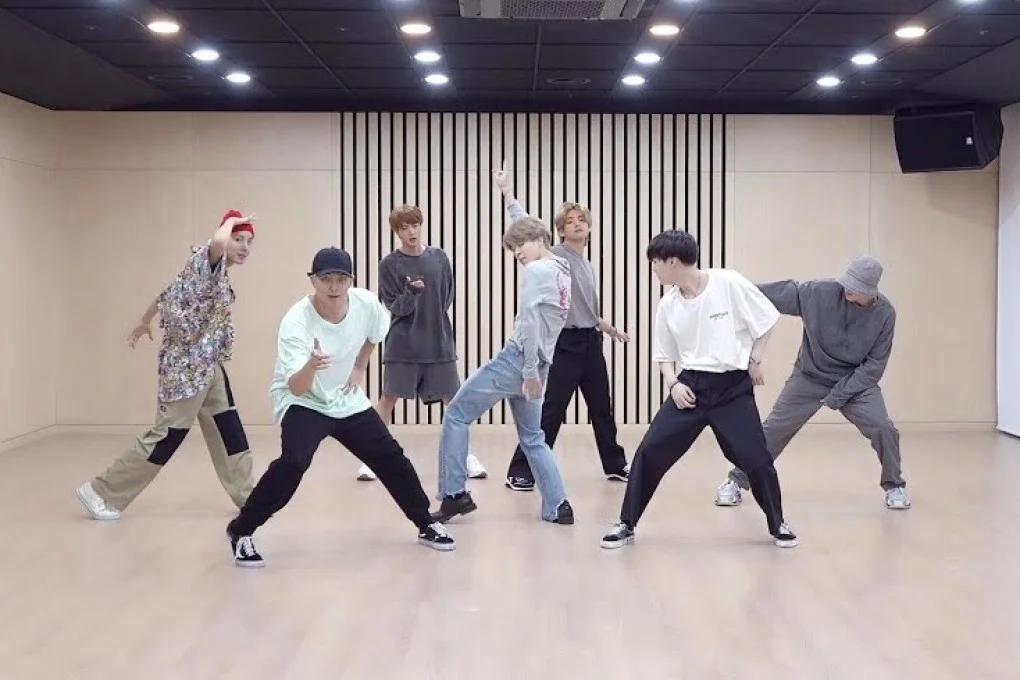
K-pop groups don’t emerge overnight. Companies strategically build anticipation months or even years before debut by releasing:
- trainee interviews
- dance practice clips
- behind-the-scenes teasers
- individual member introductions
- pre-debut shows or performances
This makes the debut feel like the climax of a long-awaited narrative. Fans begin choosing favorites, forming early biases, and building communities even before the group officially launches.
In marketing terms, this is a genius form of pre-launch hype—similar to tech product teasers, but amplified through emotional investment.
3. Multi-Platform Content Ecosystem
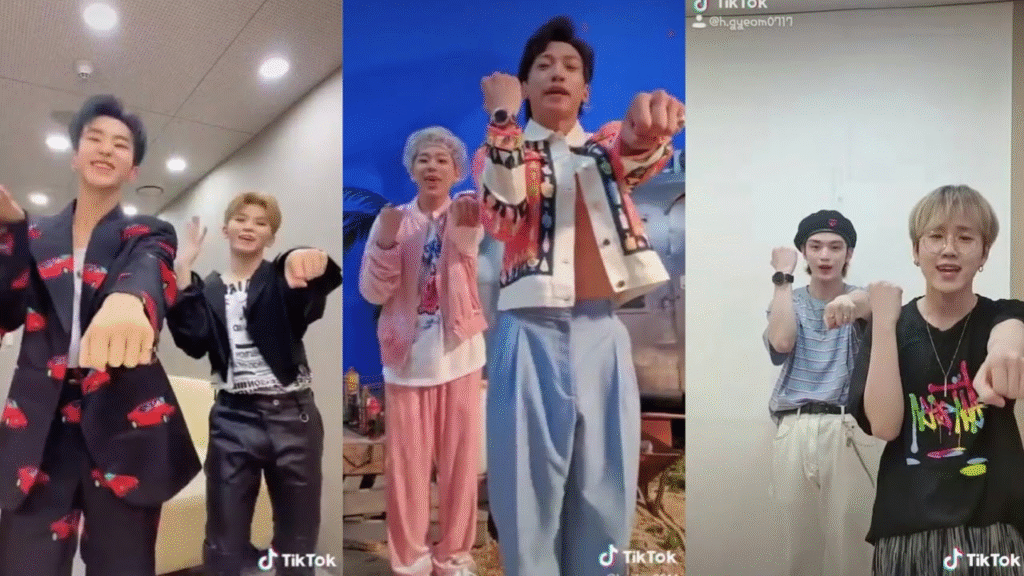
K-pop companies treat content like a 24/7 engagement engine. Instead of relying solely on music releases, idols participate in:
- vlogs (v-lives, behind-the-scenes videos)
- TikTok challenges
- variety shows
- livestreams
- reality shows
- fan sign broadcasts
- Instagram Reels
- Weverse or Bubble updates
This creates constant touchpoints that keep fans engaged between comebacks. Every idol becomes a lifestyle influencer, bridging the gap between celebrity and friend.
The strategy is simple: more content = more engagement = stronger fandom loyalty.
In a world where attention is the new currency, K-pop provides no shortage of it.
4. Fan Participation as a Core Marketing Mechanism
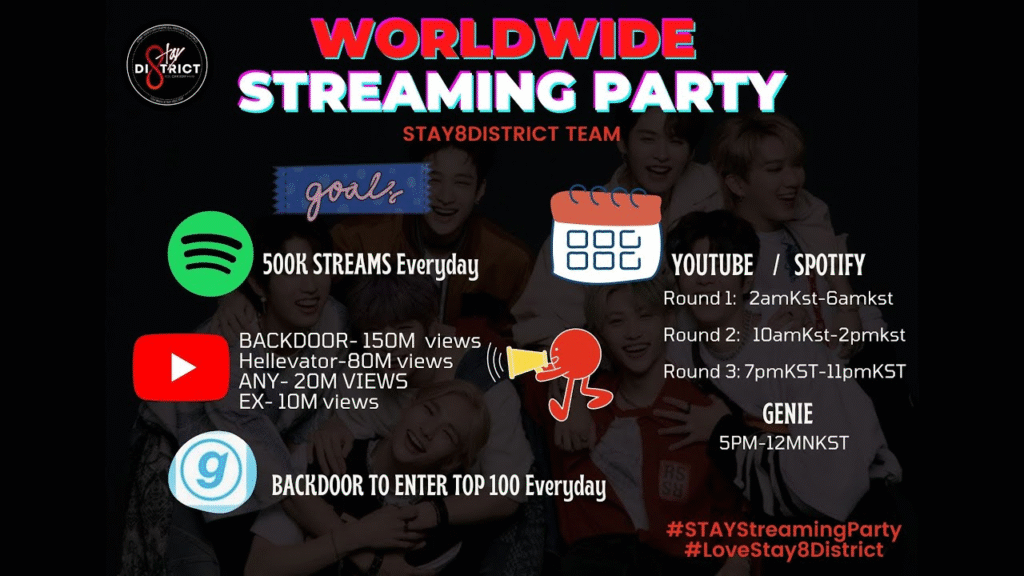
K-pop fandom is built on participation. Unlike Western music fandom, where support is often passive, K-pop fans become active marketers for the groups they love.
Fans participate in:
- streaming parties
- album buying strategies
- hashtag events
- fan-led promotions
- voting for awards
- fan art and fan edits
- global trend challenges
This transforms fandom from a spectator activity into a collective mission. “Let’s get them their first music show win.” “Let’s help them chart on Billboard.” “Let’s break a streaming record.”
By giving fans measurable goals and collective experiences, companies turn engagement into a powerful psychological motivator.
5. Exclusive Access Platforms (Weverse, Bubble, Universe)
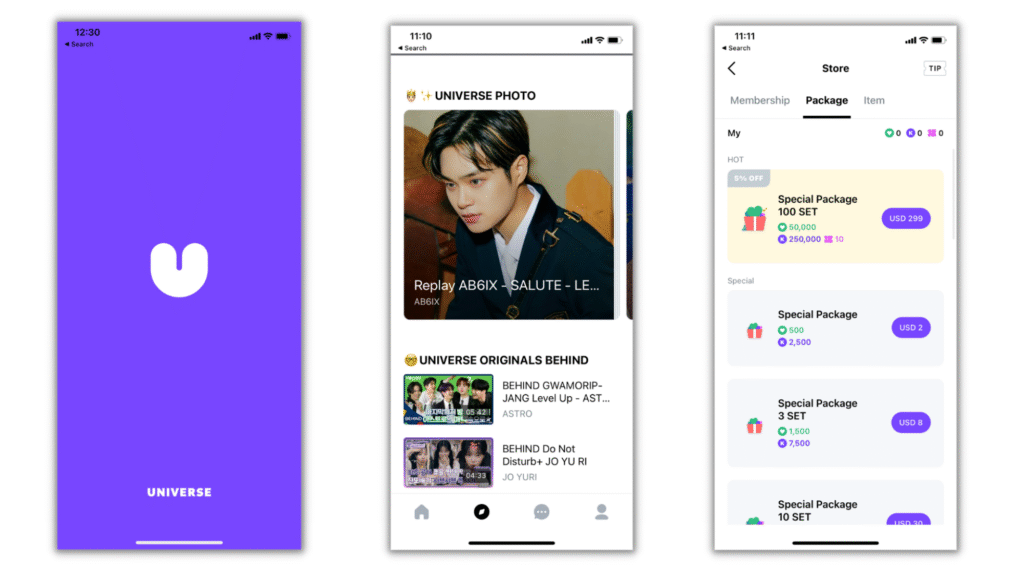
One of the strongest marketing innovations in K-pop is the use of exclusive communication apps where idols can send messages, photos, and voice notes directly to fans. Apps like Weverse and Bubble create a private, intimate space that feels personal—even though it’s still a managed system.
Fans feel like they’re receiving personal messages from their favorite idols, deepening emotional connection. Limited access rooms, paid memberships, and exclusive community posts turn fan-company interactions into a premium experience.
These platforms are not just communication tools—they are monetization engines disguised as relationship builders.
6. Merchandising as Lifestyle Branding
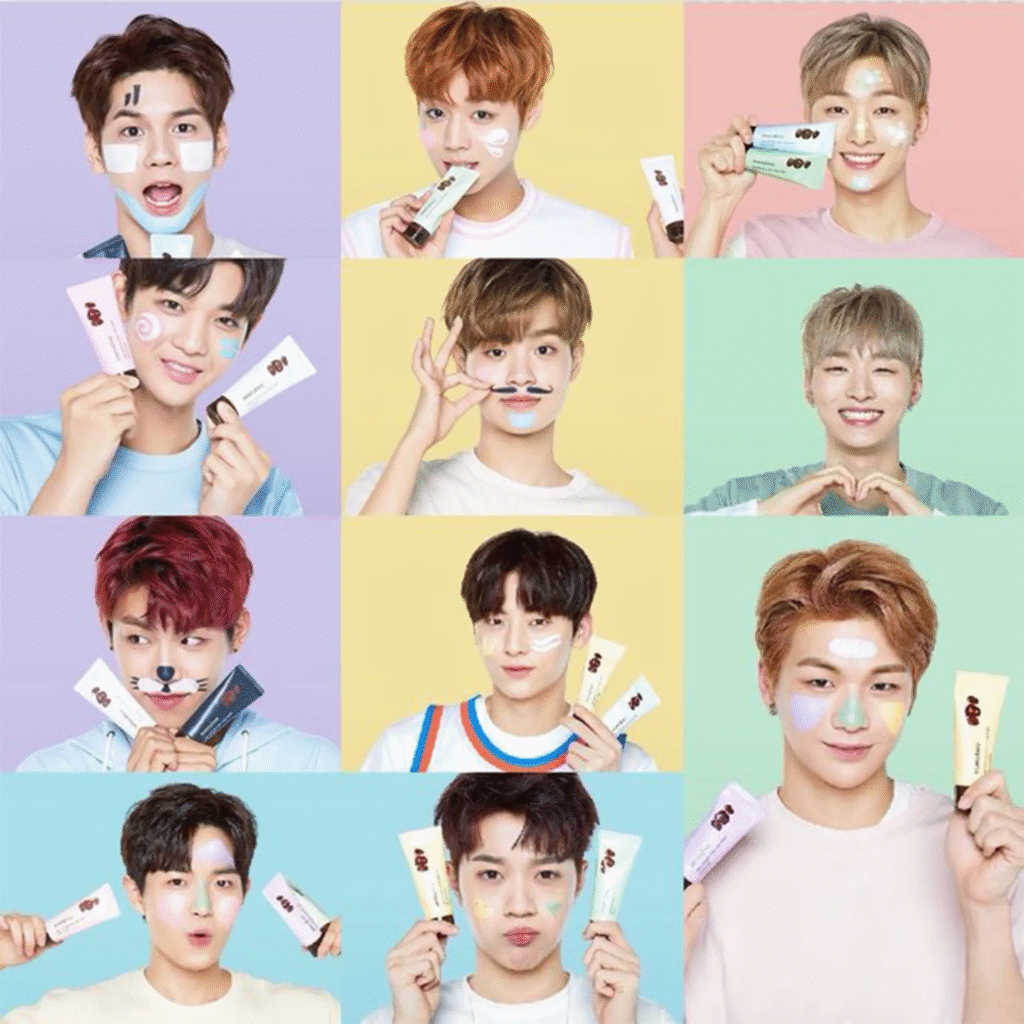
K-pop merchandise goes far beyond t-shirts and posters. Companies turn idols into lifestyle brands by offering:
- albums with collectible photocards
- seasonal drops
- fashion collaborations
- fragrance lines
- skincare items
- jewelry
- home goods
- stationery
- beverage or snack collabs
The collectability factor is intentional. Photocards, for example, are randomized—encouraging repeat purchases. Fans trade and exchange like rare cards, creating a micro-economy around merch.
In marketing terms, K-pop turns products into emotional souvenirs. What fans buy is not just an item—it’s a physical manifestation of their devotion.
7. The Comeback Cycle: Creating Eventized Releases
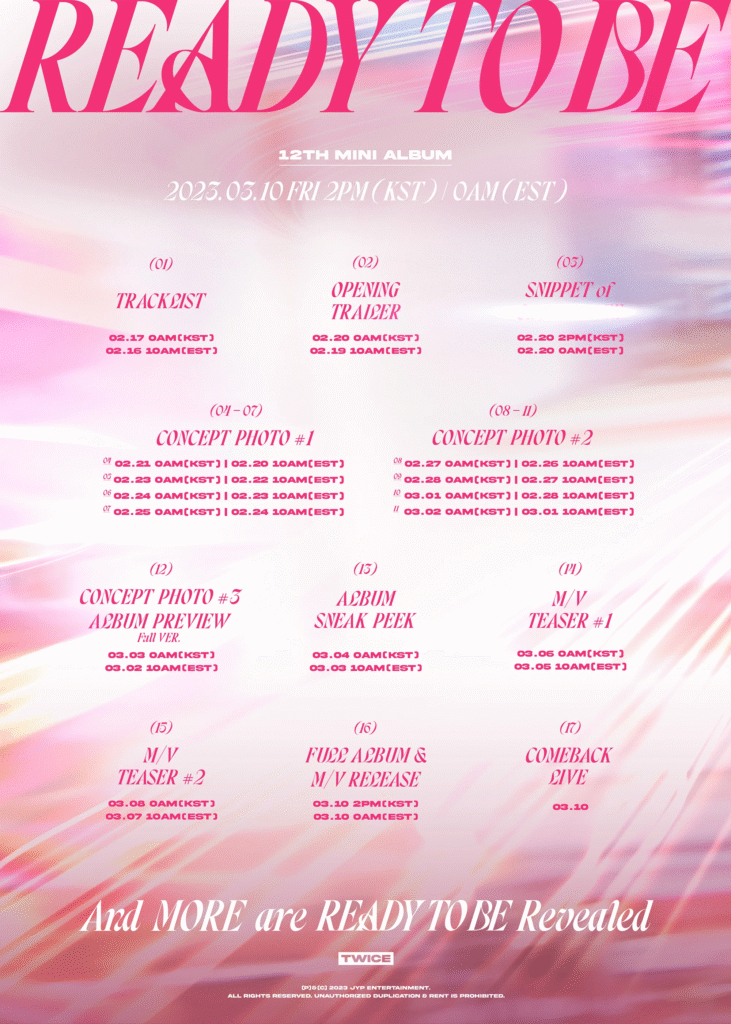
Every K-pop comeback is treated like a major cultural event. Companies build hype using:
- concept teasers
- individual photos
- trailer films
- tracklists
- music video teasers
- choreography previews
- highlight medleys
The multi-stage rollout creates anticipation peaks at every step. Fans analyze clues, share theories, and circulate visuals, turning each teaser into viral content.
This structured “event” model drives:
- album pre-orders
- social media trends
- massive first-day streaming
- viral TikTok moments
K-pop releases feel bigger because they are bigger—from the marketing down to the fan rituals.
8. Fan-Idol Two-Way Communication and Parasocial Marketing

K-pop idols do something Western artists rarely do at scale: consistent two-way communication with fans via livestreams, comments, and fan posts. Idols respond to inside jokes, reference fan events, acknowledge milestones, and sometimes even read fan letters live.
This kind of interaction creates a powerful parasocial bond. Fans feel seen, valued, and connected—making loyalty skyrocket.
From a marketing perspective, idols become relationship managers, building emotional trust that no advertisement can buy.
9. Visual Identity and Concept-Driven Branding

Each group and comeback has a distinct, meticulously crafted visual identity—colors, typography, styling, concept worlds, lore. Groups like TXT, Aespa, Stray Kids, NewJeans, and EXO have entire fictional universes that deepen engagement.
These visual systems reinforce:
- brand recall
- storytelling
- merchandise appeal
- long-term identity
K-pop isn’t just music—it’s world-building.
10. Global Localization: Tailoring Engagement Across Markets
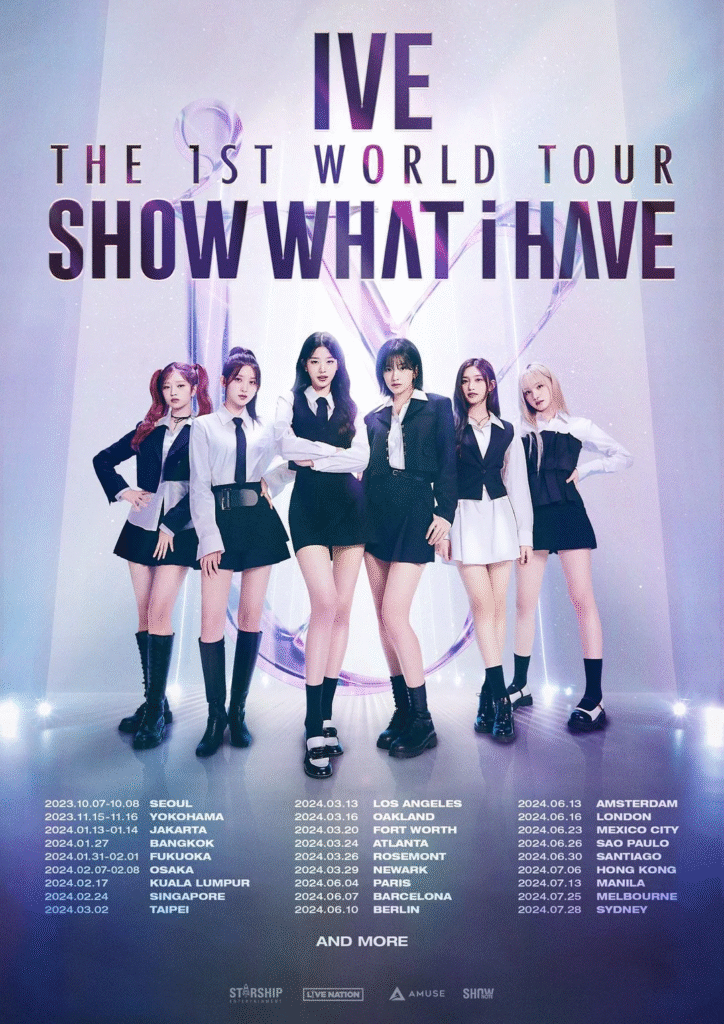
K-pop companies excel at marketing globally without losing cultural identity. They localize strategically by:
- releasing content in multiple languages
- touring extensively
- customizing merch for markets
- collaborating with local influencers
- participating in global brand campaigns
- engaging in region-specific social platforms
Instead of diluting their Korean identity, companies amplify it—turning cultural uniqueness into global appeal.
11. Fandom as a Self-Sustaining Marketing Machine
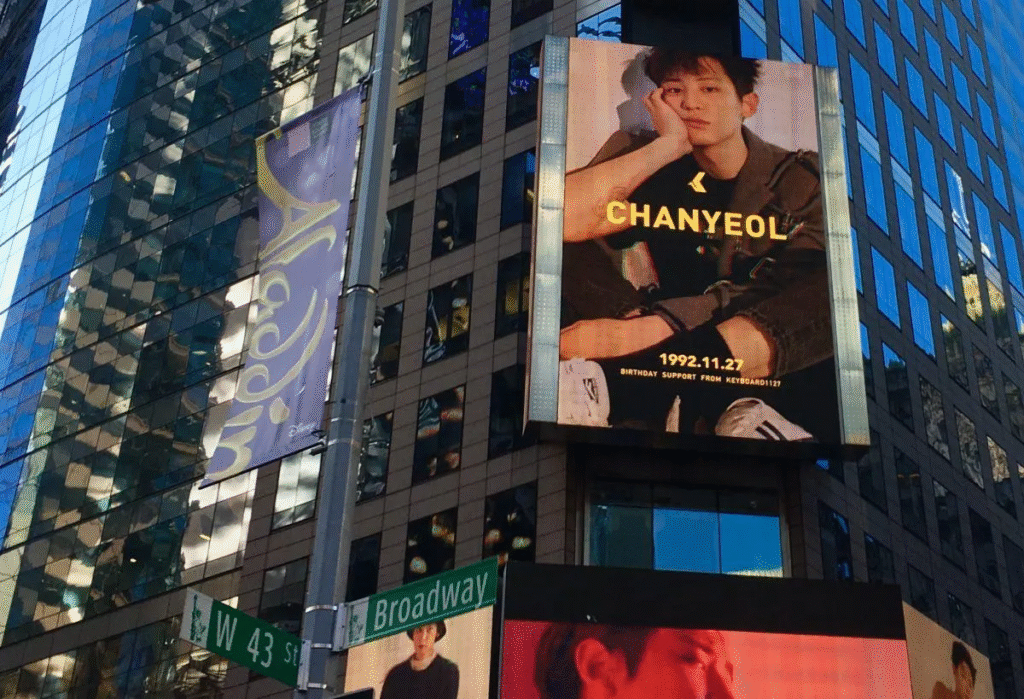
The most brilliant part of K-pop’s strategy is that communities promote the product on their own. Fans create:
- edits
- cover dances
- fan art
- translation accounts
- TikTok trends
- fan-led campaigns
- streaming playlists
- tutorials
- memes
- global projects
Fans voluntarily produce content that strengthens group visibility—effectively acting as unpaid marketers.
This is not accidental. Companies intentionally design the ecosystem to make fandom feel like a team sport.
12. Data-Driven Understanding of Fan Behavior
Entertainment companies analyze everything:
- fan purchasing patterns
- streaming habits
- demographic segments
- fan geography
- social engagement peaks
- merch preference data
- event attendance
This allows companies to tailor promotions with surgical precision. It’s hyper-targeted marketing at a scale most industries dream of.
13. K-Pop’s Use of Exclusivity and Scarcity
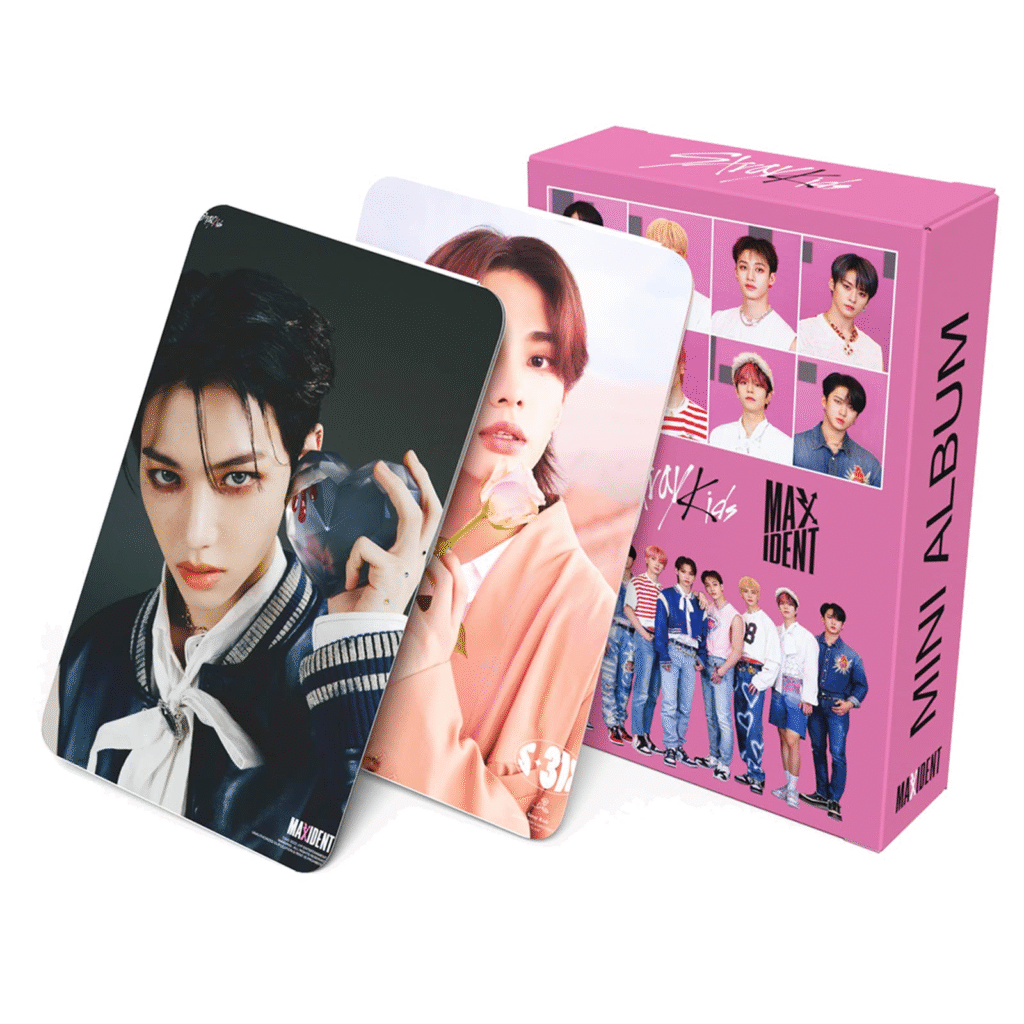
Limited drops. Photocard randomness. Fansign lotteries. Exclusive versions of albums.
These scarcity-driven tactics fuel urgency and repeat purchases.
Scarcity is more than a sales tactic—it’s a psychological driver that keeps fans continuously engaged.
14. The Power of Community Identity
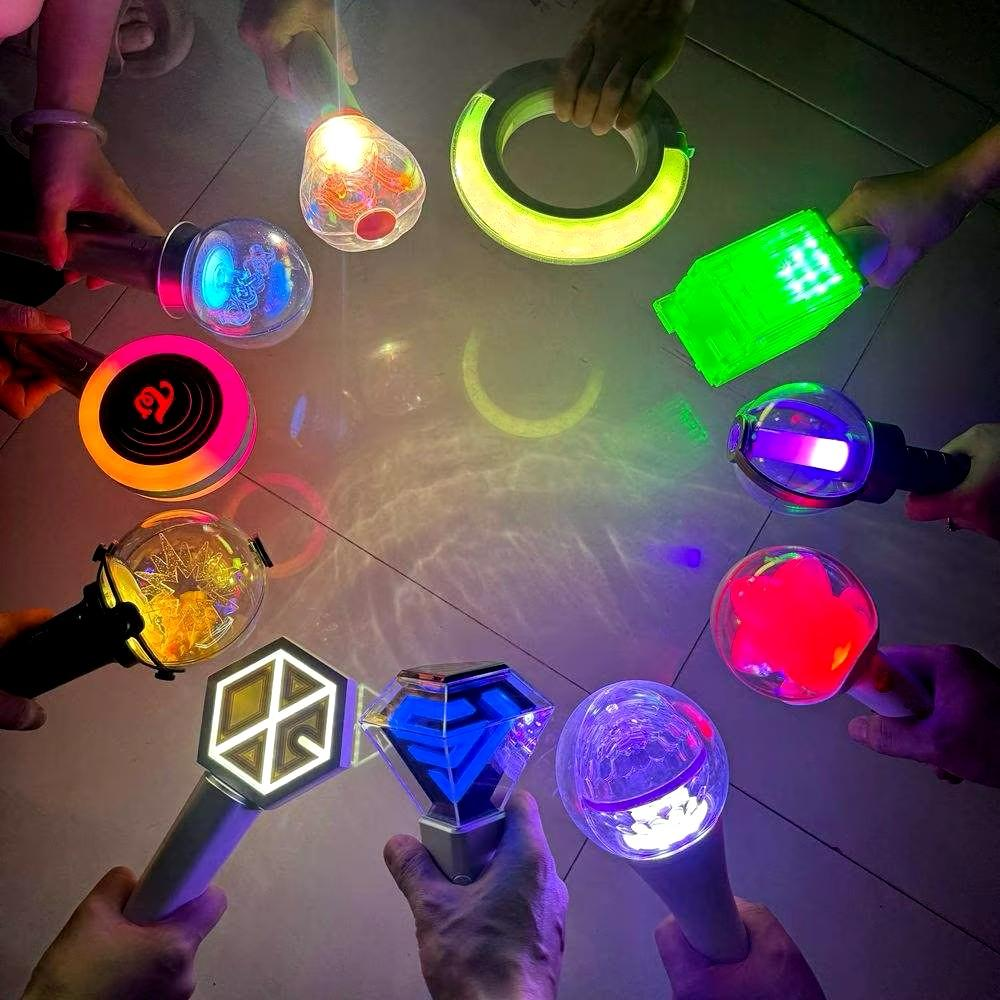
Every fandom has a name, color, lightstick, lore, memes, and inside jokes. This creates a shared identity that turns fans into members of a cultural tribe.
When fans identify as part of a group—ARMY, ONCE, BLINK, MOA, CARAT, ORBIT—their loyalty transforms from interest into identity.
This is the highest form of branding any marketer can achieve.
Conclusion: K-Pop Is the Blueprint for the Future of Marketing
K-pop’s fan engagement strategy isn’t accidental—it’s carefully crafted, psychologically informed, and deeply community-oriented. It transforms audiences into advocates, consumers into stakeholders, and music fans into global cultural ambassadors.
The success of K-pop groups isn’t just due to catchy songs—it’s the marketing ecosystem built around connection, participation, storytelling, exclusivity, and emotional loyalty.
For marketers, the lesson is clear:
The future belongs to brands that build communities, not just customers.
K-pop has already mastered that future.
