In today’s fast-paced digital landscape, marketing has evolved beyond simply selling products—it’s about selling a feeling. Welcome to the age of vibe marketing, where aesthetics, emotion, and authenticity shape how consumers connect with brands. In an era defined by artificial intelligence, personalization, and endless scrolling, vibe marketing stands out as the human touch that transforms campaigns into cultural moments.
What Is Vibe Marketing?
Vibe marketing isn’t about features or hard sells. It’s about curating a mood—an immersive experience that instantly communicates what a brand feels like. Instead of asking, “What are we selling?”, brands ask, “What do we want people to feel?”
Think of a moody perfume ad that evokes longing rather than describing the scent, or a pastel-toned café brand that communicates calm and comfort before a word is read. This is vibe marketing: aesthetic-first, emotion-driven, and deeply experiential.

The rise of vibe marketing aligns with how younger generations—especially Gen Z and Gen Alpha—consume content. They value energy, emotion, and authenticity over conventional advertising. A brand’s “vibe” often determines whether someone engages, follows, or scrolls past.
The Emotional Core of Modern Marketing
Emotion has always been central to marketing, but vibe marketing amplifies this through visual storytelling. In an oversaturated digital space, emotion is the shortcut to connection.
When consumers can’t touch or feel products online, the emotional and visual cues a brand provides become the new sensory experience. Soft lighting, nostalgic filters, music choices, and even typography work together to trigger feelings of comfort, aspiration, or joy.
AI plays an interesting role here—it enables personalization at scale, but without a defined emotional tone, campaigns risk feeling sterile. Successful brands blend AI precision with emotional resonance, ensuring every ad or post feels like it was crafted by a human, for a human.
Why Vibe Matters More Than Ever in the AI Era
The rise of generative AI has made it easy to produce content—too easy, perhaps. As AI floods the internet with optimized but generic messaging, the differentiator becomes how content makes people feel.
Brands that succeed in this new era will be those that:
- Humanize automation: Using AI tools to enhance creativity, not replace it.
- Curate aesthetics: Visual language becomes the emotional anchor that AI alone can’t replicate.
- Build communities around feelings: People don’t just follow brands—they join emotional tribes that reflect their values and moods.
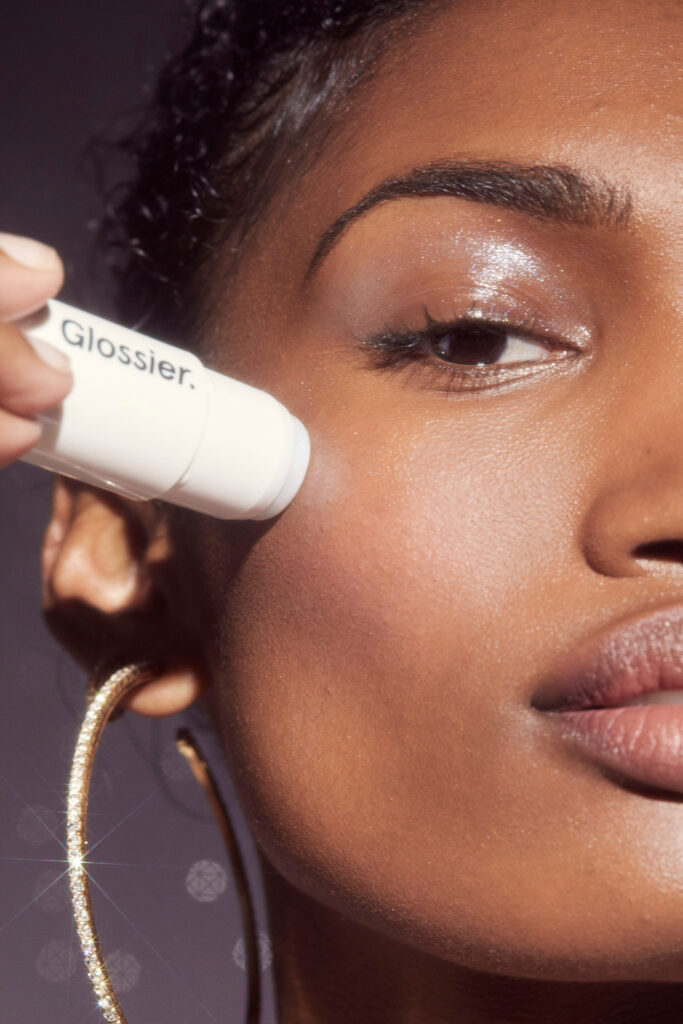
For example, Glossier built its empire not just on minimalist packaging but on the vibe of effortless beauty.
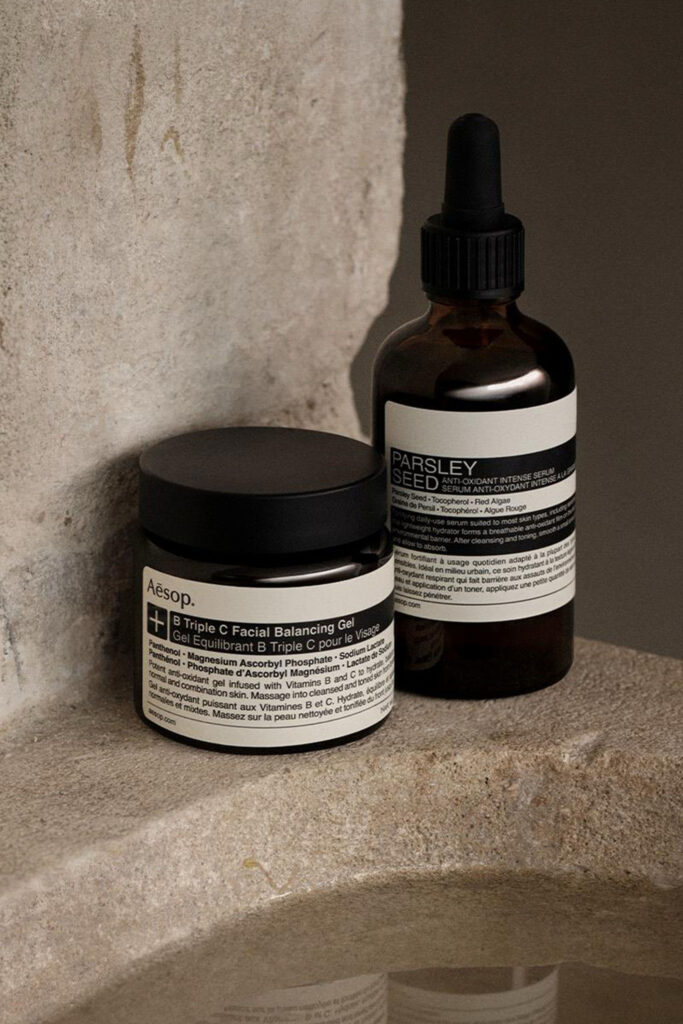
Similarly, brands like Aesop and Muji communicate calm, mindfulness, and quality through subtle design and tone—proof that less is often more when the vibe is clear.
From Marketing to Mood-Making
Traditional marketing focuses on demographics and data points. Vibe marketing, however, focuses on psychographics: aspirations, moods, and emotional alignment.
This shift reflects how consumers now view brands as extensions of identity. A candle company isn’t selling wax—it’s selling serenity. A coffee brand isn’t selling caffeine—it’s selling creative energy.
The mood-driven approach turns campaigns into micro-worlds. A short video, Instagram reel, or even a Spotify playlist can create an entire emotional universe around a product. By curating music, color schemes, and visual rhythm, marketers transform ordinary content into immersive experiences.
How Brands Are Creating Emotional Aesthetic Campaigns
Let’s look at how major brands are using vibe marketing to lead the conversation in the AI era:
1. Loewe’s Cinematic Storytelling
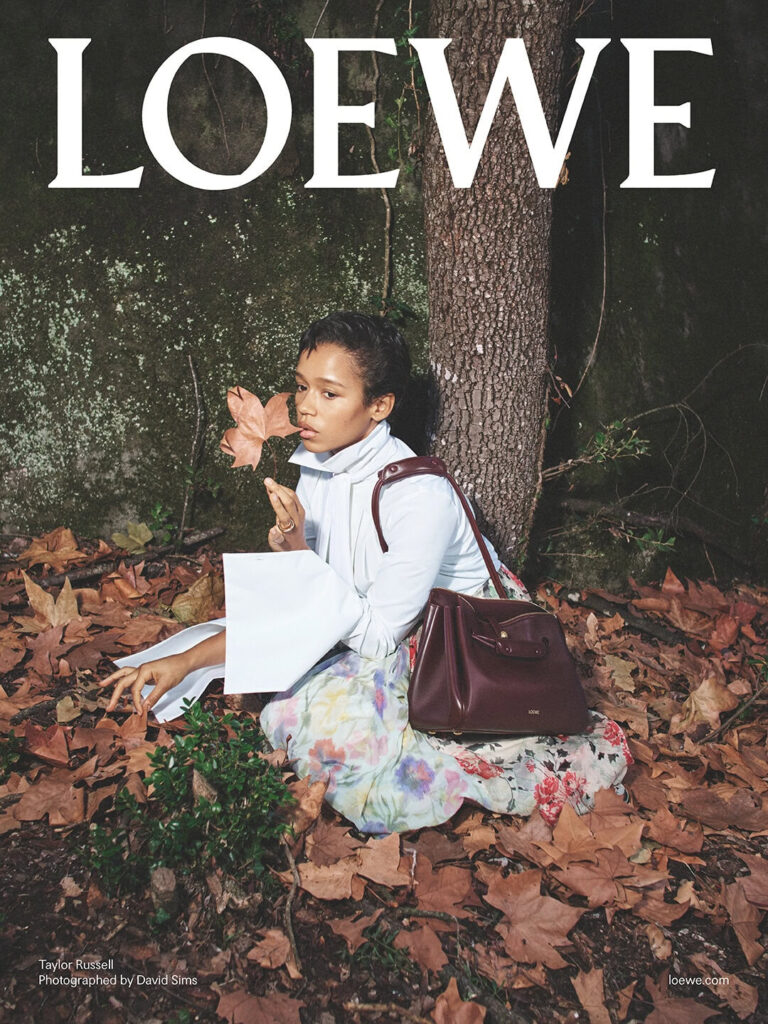
Each Loewe campaign feels like a film still—intimate, atmospheric, and emotionally rich. Rather than over-explaining, they rely on imagery and tone to communicate artistry and exclusivity.
2. Apple’s Sensory Minimalism
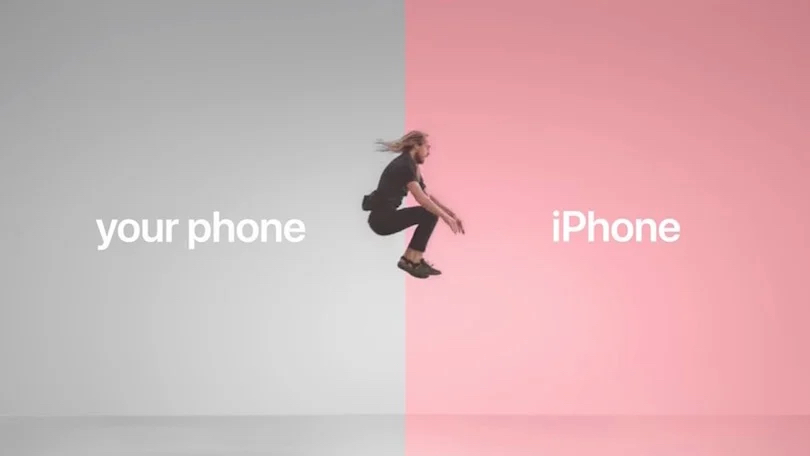
Apple continues to define its brand through tone and texture—clean visuals, simple words, and emotional soundtracks that evoke innovation and humanity simultaneously. Every ad has a distinct Apple vibe, familiar yet forward-looking.
3. Jacquemus’ Dreamlike Worlds
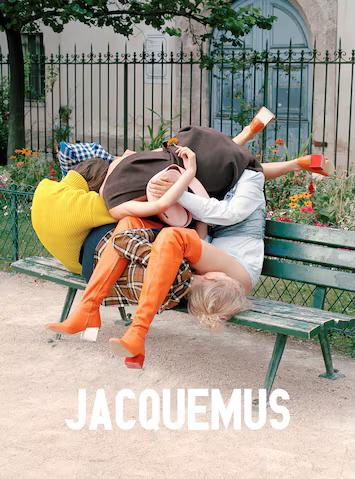
The French brand doesn’t just sell fashion—it sells escapism. Each campaign is a portal into a dream, combining soft lighting, surreal landscapes, and human warmth. Jacquemus has turned “vibe-first” branding into an art form.
4. Starbucks’ Lifestyle Curation
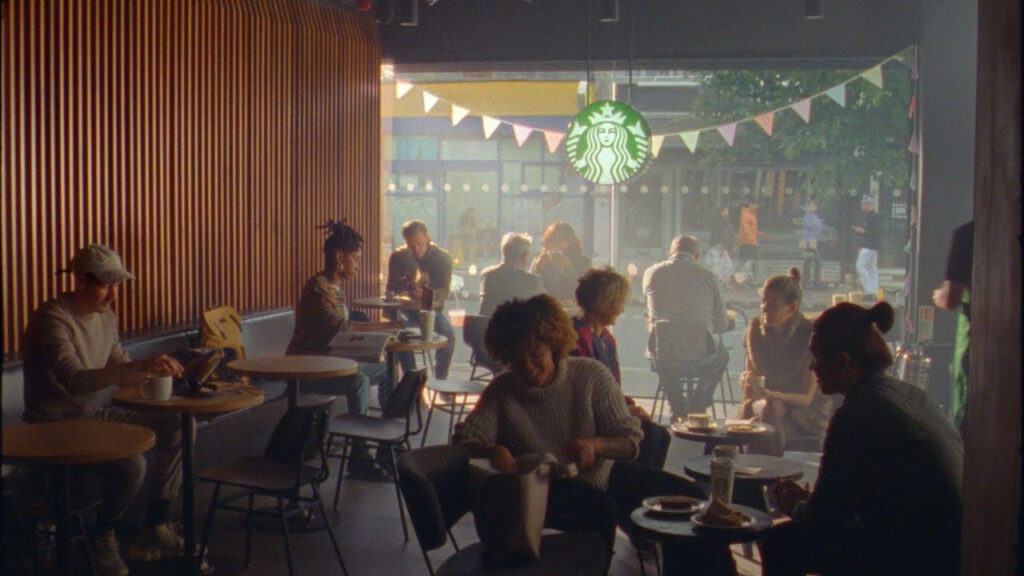
Starbucks’ social feeds are less about coffee and more about moments: cozy mornings, warm connections, and creative breaks. The visuals and tone position the brand as a lifestyle companion, not just a beverage chain.
Designing for the “Vibe Economy”
We are entering what can be called the Vibe Economy, where brands compete not for attention, but for emotional resonance. Consumers no longer need convincing—they need connection.
In the vibe economy, every touchpoint matters:
- Visual coherence – Every color, font, and photo should feel part of the same emotional palette.
- Tone of voice – Whether witty, serene, or aspirational, your copy should match the energy your visuals evoke.
- Community feedback loops – Social media isn’t just distribution; it’s a dialogue where vibes are refined by real-time audience reactions.
Brands like Dyson or Rimowa have mastered this balance—high-tech precision paired with sleek, emotionally aspirational aesthetics.
AI as a Partner in Emotion
Ironically, AI can make vibe marketing even stronger—if used thoughtfully. AI tools like Midjourney, Runway, and ChatGPT can help conceptualize campaign visuals or write poetic taglines that align with a moodboard.
But marketers must guide the machine with emotional intent. Without a human-defined vibe, AI risks producing content that’s technically correct but spiritually empty.
Forward-thinking brands use AI to amplify creativity: generating multiple moodboard options, testing audience reactions, and personalizing content variations while maintaining a consistent tone. This approach combines algorithmic precision with human intuition—the essence of marketing in the AI age.
The Psychology Behind Vibe-Driven Success
At its core, vibe marketing taps into a psychological truth: humans make emotional decisions first and rationalize them later.
When a campaign’s visual and emotional cues align perfectly, it triggers affective trust—a subconscious sense that “this brand understands me.” That feeling translates into engagement, loyalty, and even advocacy.
Moreover, vibe marketing thrives on nostalgia and aspiration—two of the most powerful emotional levers. A retro aesthetic evokes comfort; a futuristic one suggests possibility. Brands that know how to oscillate between the two can sustain long-term cultural relevance.
The Future of Vibe Marketing
As attention spans shorten and AI-generated content becomes ubiquitous, the future of marketing lies not in louder messaging—but in more meaningful moods.
We’ll see more brands investing in:
- Sonic branding – Distinct sounds and music that trigger emotional recall.
- Immersive storytelling – Blending AR/VR to make brand experiences feel lived-in and sensory.
- Community aesthetics – User-generated content that reinforces a shared vibe, turning fans into co-creators.
Vibe marketing is not a passing trend—it’s the natural evolution of human-centered communication in a hyper-digital world.
Final Thoughts
In the AI era, where algorithms optimize everything from ad copy to visuals, vibe is the one thing that can’t be faked. It’s the feeling behind the pixels—the emotional fingerprint that sets one brand apart from another.
Vibe marketing reminds us that great campaigns aren’t just seen or heard—they’re felt. The brands that win tomorrow are those that curate emotion as carefully as data, blending technology with timeless human storytelling.
Because in the end, it’s not the algorithm that decides what we love—it’s the vibe.
Leave a Reply