
In the ever-evolving world of digital marketing, few phenomena have reshaped an entire industry as swiftly and profoundly as BookTok — the literary corner of TikTok. What began as a niche community of readers sharing emotional reactions, reviews, and recommendations has grown into a marketing powerhouse capable of reviving backlist titles, turning debut authors into global sensations, and redefining how publishers think about audience engagement.
In 2025, BookTok isn’t just a trend — it’s a marketing revolution. Here’s how it transformed publishing, why it continues to matter, and what marketers across industries can learn from its success.
From Reader Reactions to a Cultural Movement
BookTok’s rise began organically. Instead of polished book reviews or high-budget campaigns, it was readers — mostly young women — posting raw, emotional responses to books that moved them. Tear-streaked faces, annotations of favourite quotes, and dramatic reenactments of plot twists became a new language of literary enthusiasm.
These short, authentic videos cut through the noise of traditional advertising. They tapped into something fundamental: emotion-driven discovery. Viewers didn’t just see a book; they felt why it mattered. That emotion translated directly into sales.
Soon, bookstores began dedicating entire shelves to “Books That Went Viral on TikTok.” Major publishers reissued older titles like They Both Die at the End or A Court of Thorns and Roses with “As Seen on TikTok” stickers. Even literary fiction and poetry — genres once considered niche — found renewed life in the hands of BookTok creators.
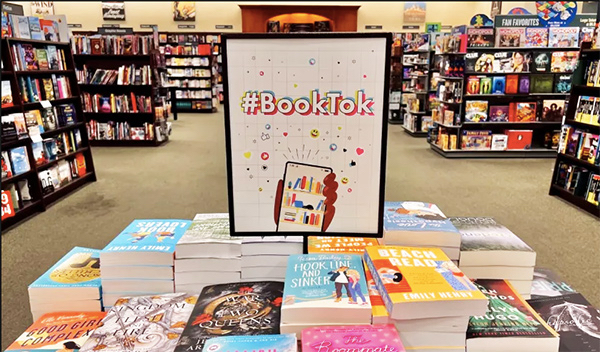
The result? A grassroots-to-mainstream pipeline that made readers the most powerful marketers in the industry.
How BookTok Rewrote the Rules of Publishing Marketing
Traditional book marketing relied heavily on press coverage, trade reviews, and author tours. While those channels remain important, BookTok changed the hierarchy of influence. Today, one viral video can achieve what a national publicity campaign once could — often for free.
- Influence Has Decentralized: BookTok thrives on micro-influencers. A creator with 10,000 followers can generate outsized impact if their audience trusts their taste. Authenticity trumps production value, and relatability beats authority.
- Community > Campaigns: BookTokers don’t sell — they share. Their passion builds a sense of belonging among readers who crave connection. The hashtag #BookTok has become a digital book club that transcends geography and genre.
- Backlist Titles Became Frontlist Gold: Unlike movie or fashion trends that rely on newness, BookTok celebrates rediscovery. Books published years ago are finding new audiences. This longevity makes BookTok an evergreen marketing channel — one that rewards storytelling quality over release dates.
- Visual Storytelling Reigns: Readers aren’t just reviewing books; they’re dramatizing them. Through quick edits, music, and facial expressions, creators transform reading into performance — effectively turning books into mini-movie trailers that ignite curiosity.
Why It Works: Psychology Meets Platform Power
BookTok’s success isn’t accidental. It taps into several key psychological drivers that every marketer should note:
- Social Proof: Seeing others cry, laugh, or gasp over a book creates curiosity and trust — the ultimate formula for conversion.
- Emotional Contagion: Emotionally charged videos spread faster because they trigger empathy and mirror responses in viewers.
- Identity Signaling: BookTok has turned reading into a lifestyle. Aesthetic setups — cozy reading corners, annotated paperbacks, and themed playlists — let users express identity through books.
TikTok’s algorithm further amplifies this by rewarding engagement velocity. Once a few users react passionately to a post, it snowballs into millions of views — a feedback loop that benefits both creators and publishers.
The Data Behind the Hype
According to NPD BookScan, BookTok helped drive double-digit growth in the U.S. print book market in 2022 and 2023. Titles popularized by BookTok sold millions of copies without traditional advertising budgets.
Publishers quickly took note. Major imprints now maintain dedicated TikTok marketing teams, collaborating directly with creators, seeding advance reader copies (ARCs), and even designing covers optimized for small screens.
In Asia, the trend is equally potent. Southeast Asian book retailers and indie authors are leveraging TikTok to bypass traditional distribution hurdles. Hashtags like #BookTokPH (Philippines) and #BookTokSG (Singapore) are building vibrant local reading communities.
Lessons for Marketers Beyond Publishing
BookTok isn’t just a publishing success story — it’s a masterclass in organic marketing. Its principles apply across industries:
- Authenticity Outperforms Advertising: The raw, unscripted nature of BookTok videos resonates deeply. Brands that embrace imperfection — behind-the-scenes clips, honest reactions, human moments — can achieve the same effect.
- Empower Communities, Don’t Just Target Them: BookTok shows that audiences don’t want to be sold to; they want to participate. Encouraging user-generated content (UGC) or co-creating campaigns with fans builds long-term loyalty.
- Old Products Can Find New Life: If a 5-year-old novel can top bestseller charts again, so can a classic product or service — if the story around it feels fresh. Strategic storytelling can revive legacy offerings.
- Emotional Marketing Scales Better Than Rational Appeals: Facts inform, but feelings sell. BookTok’s viral power lies in emotional storytelling — something every brand can emulate, regardless of category.
How Publishers Are Adapting
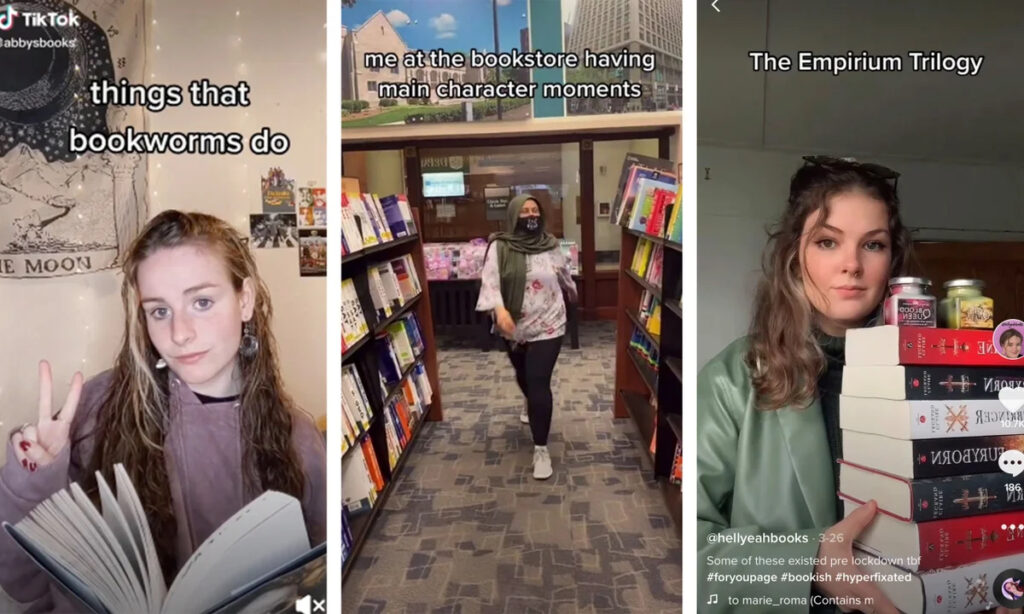
Major publishers are rethinking their marketing playbooks entirely. Instead of centering campaigns around authors or awards, they now focus on reader experience.
Some are partnering directly with top BookTok influencers to produce branded content. Others invest in influencer discovery platforms to identify emerging creators who align with their upcoming releases.
Meanwhile, independent authors have found unprecedented success. By posting teaser clips, aesthetic montages, or “POV you fell for the villain” videos, self-published writers are building massive followings — sometimes landing traditional publishing deals purely from TikTok traction.
It’s no longer about distribution; it’s about connection.
Challenges and Critiques
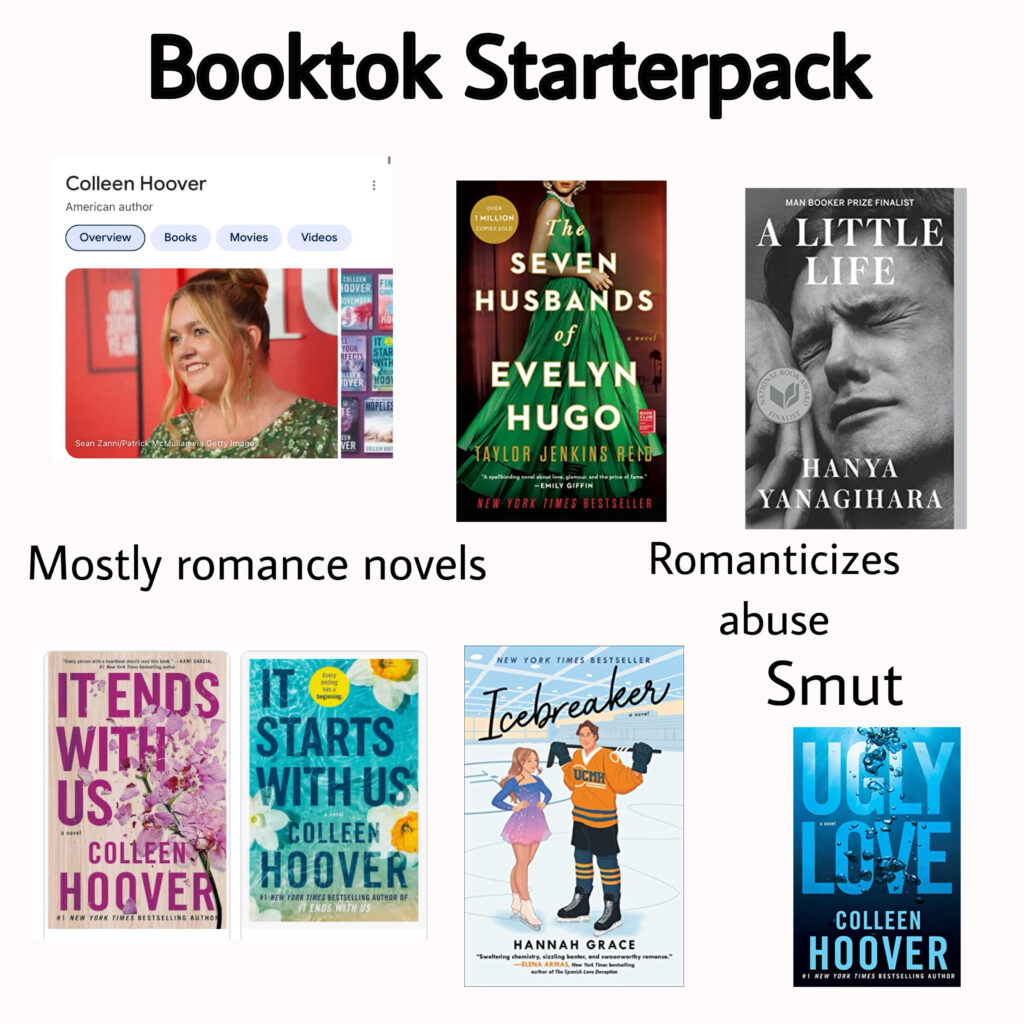
Of course, BookTok’s influence isn’t without complexity. Critics argue that it can create homogenized reading trends, where certain tropes dominate because they’re more “TikTok-able.” Emotional romance, fantasy smut, and thriller twists tend to outperform literary or experimental works.
There’s also a growing concern over algorithmic burnout — as readers and creators chase virality, the joy of reading can risk turning into content production.
Still, for most in the industry, these trade-offs pale in comparison to the cultural revitalization BookTok has sparked. It’s getting people reading again — and that’s a win by any metric.
The Future of BookTok and Digital Literary Marketing
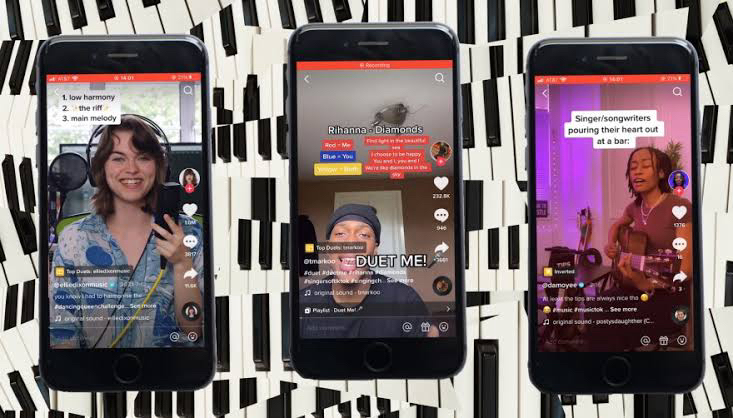
Looking ahead, BookTok’s success is inspiring similar movements across other creative industries. FilmTok, MusicTok, and ArtTok are following suit, leveraging the same blend of emotion, authenticity, and community-driven storytelling.
For publishers, the next phase involves data-driven personalization — combining BookTok trends with AI recommendation tools to match readers with stories they’ll love. Imagine a hybrid ecosystem where human passion meets algorithmic precision.
And for marketers outside publishing, the takeaway is clear: audiences crave authenticity and emotional resonance more than polished perfection. Whether you’re selling books, fashion, or tech, the playbook remains the same — tell real stories, foster genuine connection, and let your community amplify the message.
Final Thoughts
BookTok didn’t just transform book marketing — it revived the act of reading itself in the social media age. It turned passive consumers into passionate advocates, proving that even in a world obsessed with short-form content, long-form storytelling still thrives when paired with genuine emotion.
For marketers, the lesson is both simple and profound: The most effective campaigns don’t shout. They feel.
BookTok succeeded not because it was a trend, but because it reminded us of something timeless — that stories, when shared authentically, will always find their audience.
Leave a Reply